Upcycled Wood 101: The Ultimate Guide to This Sustainable Trend
Upcycled wood represents a purposeful departure from the linear lifecycle of conventional materials, transforming discarded timber into valuable, functional products. This process breathes new life into unwanted objects, diverting them from landfills and reducing the demand for virgin resources. Unlike standard recycling, which often breaks down materials into a basic form, upcycling retains the integrity of the original material, celebrating its history while creating something new and often of higher quality.
The Fundamental Principles of Upcycling
The core philosophy of upcycling centers on extending the utility of existing resources. It is a creative act that prioritizes sustainability without sacrificing aesthetic or structural integrity. The goal is to minimize waste and environmental impact by designing a new purpose for materials that were either destined for disposal or underutilized. This approach requires a shift in perspective, viewing potential rather than obsolescence.
Distinguishing Upcycling from Downcycling
It is essential to differentiate upcycling from downcycling to fully appreciate its value. Downcycling involves converting materials into products of lesser quality and functionality, such as melting down plastic bottles to create fleece fibers. In contrast, upcycled wood is transformed into a product of equal or greater value.


| Aspect | Upcycling | Downcycling |
|---|---|---|
| Product Quality | Equal or greater than original | Less than original |
| Material Integrity | Maintained or enhanced | Degraded over time |
| Example | Old doors converted into a dining table | Newspaper turned into egg cartons |
The Journey from Discarded to Desirable
The creation of upcycled wood is a meticulous process that blends craftsmanship with environmental consciousness. The journey begins with sourcing materials from a variety of places, each carrying its own unique story. Artisans then clean, deconstruct, and prepare the wood, removing nails, screws, and old finishes. The material is then milled, sanded, and reimagined, with the final product often showcasing the patina and character that only time can impart.
Sourcing and Selection
The quality of the final product is deeply rooted in the sourcing phase. Potential feedstock can come from deconstructed barns, retired furniture, factory scraps, or even fallen urban trees. Selecting the right wood involves looking beyond the surface, identifying pieces that are structurally sound and rich in history. This stage is where the potential of the material is first envisioned, determining the future form of the item.


Environmental and Aesthetic Advantages
Choosing upcycled wood offers a multitude of benefits that extend far beyond its visual appeal. Environmentally, it significantly reduces landfill waste and the carbon footprint associated with logging and manufacturing new lumber. Aesthetically, the weathered grain and unique imperfections tell a story, adding depth and character that freshly milled wood cannot replicate. This inherent uniqueness ensures that every piece is one-of-a-kind.
Contribution to a Circular Economy
Upcycled wood is a cornerstone of the circular economy, a system designed to eliminate waste and promote the continual use of resources. By integrating reclaimed materials into the production cycle, we create a sustainable loop that lessens our reliance on finite natural resources. Supporting this industry encourages responsible consumption and fosters innovation in sustainable design, proving that environmental responsibility and beautiful design are not mutually exclusive.
Applications in Modern Design
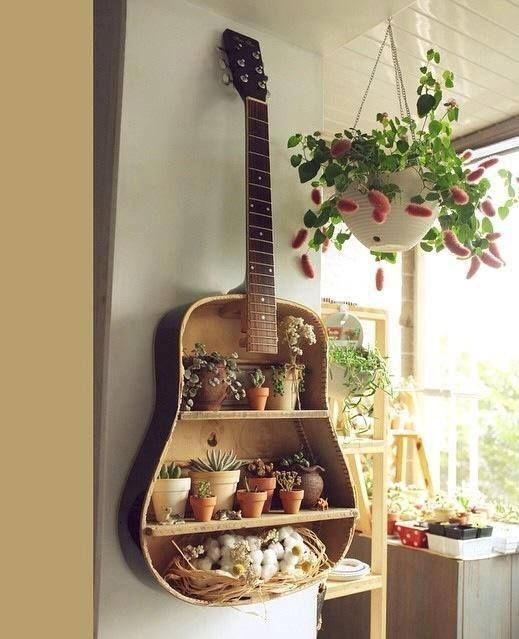
Today, upcycled wood is finding its way into a diverse array of applications, from residential interiors to commercial spaces. Designers and homeowners are increasingly drawn to its authenticity and the sustainable narrative it carries. The material's versatility allows it to be crafted into furniture, flooring, wall cladding, kitchen countertops, and stunning feature art pieces, proving that sustainability and sophistication can coexist seamlessly.



Interior Design and Architecture
In interior design, upcycled wood serves as a stunning focal point that adds warmth and history to a room. A reclaimed wood accent wall can transform a sterile office into a welcoming creative space, while a salvaged wood kitchen island provides both functionality and a connection to the past. Architects are also specifying reclaimed timber for structural and aesthetic elements, creating buildings that are not only durable but also imbued with a sense of place and heritage.


Related Articles

What is a Freestanding Bathtub? The Ultimate Guide to This Chic Bathroom Trend
Imagine stepping into a bath that looks like a piece of art, a freestanding sanctuary designed to be the focal point of your bathroom. Unlike a standard tub...

What is a Wrist Corsage Flower? The Ultimate Guide to This Elegant Trend
Ever found yourself admiring the elegant floral arrangements adorning prom dresses or wedding gowns, wondering what they're called? You're likely looking at a...

What Are Upcycled Clothes: The Ultimate Guide to Sustainable Fashion
In the ever-evolving landscape of fashion and sustainability, a new term has emerged: upcycled clothes. But what exactly does it mean, and how does it differ...

Upcycled Wood Thuma: The Ultimate Guide to Trendy, Eco-Friendly Furniture
Upcycled wood Thuma represents a fascinating intersection of sustainability, design, and mindful consumption. This specific product line, primarily known for...

What Does Circle Swim Mean? The Ultimate Guide to This Viral Swimming Trend
At first glance, “what does circle swim mean” might sound like a casual phrase tossed around a pool deck, but it actually describes a specific and highly...

What Is U Cut Hairstyle: The Ultimate Guide to This Bold Trend
What is a U-Cut Hairstyle? What is a U-Cut Hairstyle? The U-Cut hairstyle, also known as the 'U' cut or 'U-part', is a modern, eye-catching haircut that's...