The Ultimate Guide to Upcycled Art: Transforming Trash into Treasure
What is Upcycled Art?
In the realm of art and sustainability, a unique and eco-friendly practice has emerged: upcycled art. This innovative approach to art creation is not only aesthetically pleasing but also environmentally responsible. But what exactly is upcycled art, and how does it differ from other forms of art? Let's delve into this fascinating topic.
Understanding Upcycling
Before we explore upcycled art, it's crucial to understand the concept of upcycling itself. Upcycling is a process that transforms waste materials, discarded objects, or unwanted items into something new and often more valuable. It's a creative way to reduce waste and promote sustainability. Upcycled art, therefore, is a form of art that uses upcycled materials as its primary medium.
Upcycled Art: A Blend of Creativity and Sustainability
Upcycled art is a beautiful fusion of creativity and environmental consciousness. Artists who practice upcycling art transform discarded items like old furniture, broken electronics, or even trash into captivating pieces of art. By doing so, they not only create unique and visually appealing art but also contribute to waste reduction and sustainability.


Materials Used in Upcycled Art
The materials used in upcycled art are as diverse as the artists themselves. Here are some common materials used in upcycled art:
- Plastic bottles and bags
- Old furniture and wood
- Broken electronics and appliances
- Glass and metal
- Textiles and clothing
- Paper and cardboard
Techniques in Upcycled Art
Upcycled art employs a variety of techniques to transform waste materials into art. Some common techniques include:
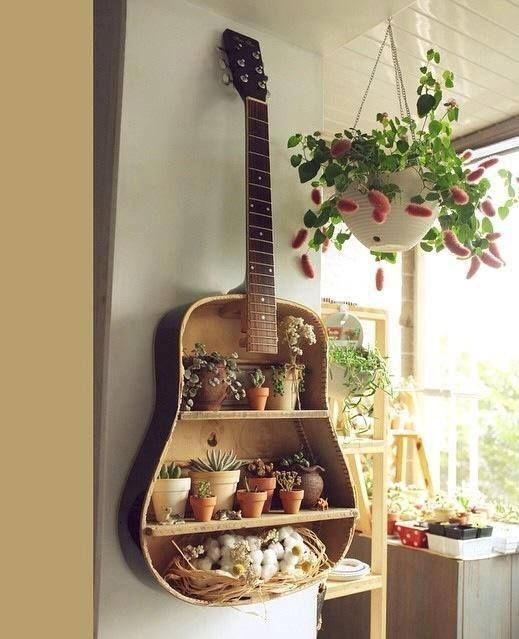


- Assemblage: Creating sculptures or collages by assembling various upcycled materials.
- Mosaic: Using small pieces of upcycled materials to create intricate patterns and images.
- Painting and Dyeing: Transforming the appearance of upcycled materials through painting or dyeing.
- Weaving and Sewing: Using upcycled textiles to create woven or sewn art pieces.
Benefits of Upcycled Art
Upcycled art offers numerous benefits, both for the environment and the art world. Here are some key benefits:
| Environmental Benefits | Artistic Benefits |
|---|---|
| Reduces waste | Encourages creativity and innovation |
| Promotes sustainability | Creates unique and visually striking art |
| Saves resources | Offers affordable art-making options |
| Raises environmental awareness | Encourages a new perspective on waste materials |
Upcycled Art in the Modern World
Upcycled art has gained significant traction in the modern world, with artists, designers, and even businesses embracing this sustainable art form. From upcycled fashion shows to art installations made from recycled materials, upcycled art is making a significant impact on the art scene and beyond.
Moreover, upcycled art is not just a trend; it's a movement that reflects our changing world. As environmental concerns grow, so does the need for sustainable practices in all aspects of life, including art. Upcycled art is a testament to the power of creativity and innovation in addressing environmental challenges.


Related Articles
The Ultimate Guide to Upcycled Art: Transforming Trash into Treasure
At its core, upcycled, recycled, and repurposed art represents a profound shift in how we define value and creativity in the modern world. Rather than seeing...

The Ultimate DIY Upcycle Dress Guide: Transform Trash into Trendy Treasure
In the world of sustainable fashion, upcycling has emerged as a creative and eco-friendly solution. One of the most rewarding upcycling projects is...

Upcycled Island: Transforming Trash into Tropical Treasure
The concept of an upcycled island is rapidly shifting from a niche environmental experiment to a compelling strategy for sustainable development. At its core...

Upcycling Clothing: The Ultimate Guide to Transforming Old Clothes into New Trends
What is Upcycling Clothing? Upcycling clothing is a creative and sustainable approach to fashion that involves transforming old, unwanted, or discarded...

10 Cool Upcycled Items Transforming Trash into Treasure
The concept of cool upcycled items is rapidly moving from niche hobbyist circles to mainstream design and lifestyle choices. It represents a creative fusion of...
What Are Upcycled Clothes: The Ultimate Guide to Sustainable Fashion
In the ever-evolving landscape of fashion and sustainability, a new term has emerged: upcycled clothes. But what exactly does it mean, and how does it differ...