The Ultimate Guide to Pattern in Art Principles: Mastering Design & Rhythm
Understanding Patterns in Art Principles
In the vast and intricate world of art, patterns emerge as a fundamental principle that transcends mediums, cultures, and historical periods. They are the visual language that artists use to convey rhythm, harmony, and unity in their compositions. But what exactly are patterns in art principles, and why are they so important?
Defining Patterns in Art
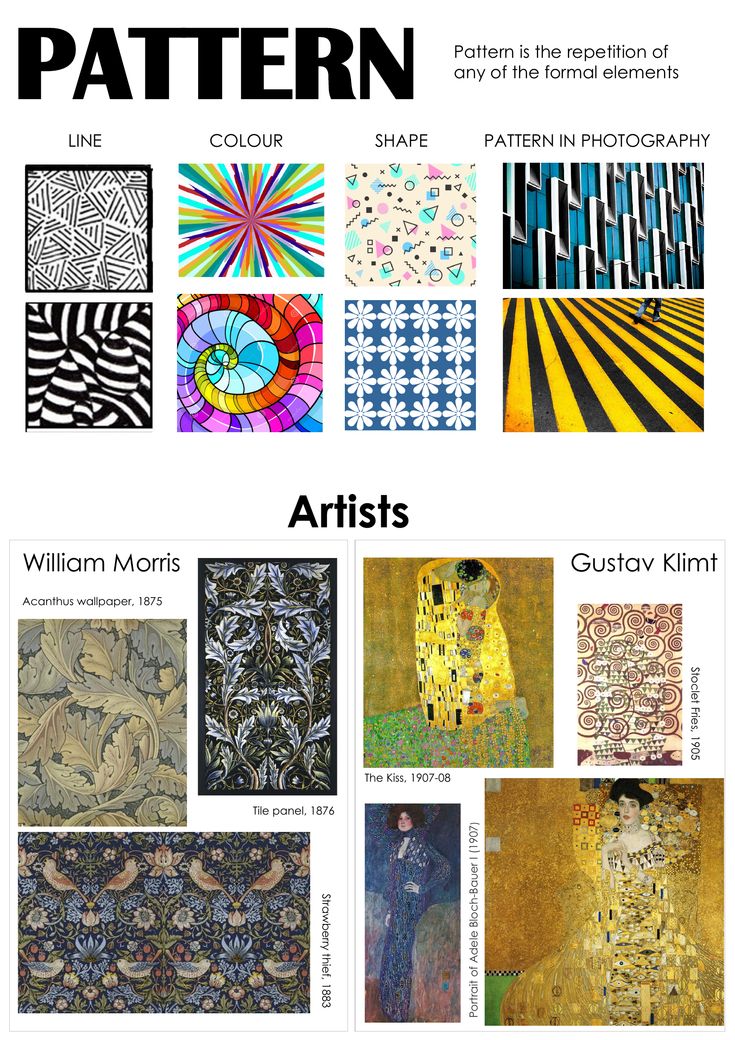
Patterns in art can be defined as recurring arrangements of elements that create a sense of order and organization within a composition. These elements can be lines, shapes, colors, textures, or even symbols and motifs. Patterns can be geometric, organic, or abstract, and they can be found in every art form, from painting and sculpture to textiles, architecture, and digital art.
Key Art Principles of Patterns
Several art principles are intrinsically linked to patterns. Understanding these principles can help you appreciate and create patterns in your own artwork.


- Repetition: The most basic principle of patterns is repetition. It involves repeating an element or a group of elements consistently throughout a composition. Repetition creates a sense of unity and continuity, drawing the viewer's eye across the artwork.
- Variation: While repetition is essential, too much of it can lead to monotony. Variation introduces diversity into patterns, keeping them interesting and dynamic. This can be achieved through changes in size, color, orientation, or the spacing between elements.
- Rhythm: Rhythm is the visual equivalent of musical rhythm. It's created by the alternation of elements in a pattern, creating a sense of movement and flow. Rhythm can be regular and predictable, or it can be irregular and unpredictable, creating a sense of tension and surprise.
- Balance: Patterns can help create balance in a composition. Symmetrical patterns create formal balance, while asymmetrical patterns create informal balance. Balance gives a sense of equilibrium and stability to an artwork.
- Contrast: Contrast is the principle of using opposite or differing elements to create interest and tension. In patterns, contrast can be created through the use of different colors, shapes, or sizes. It can also be created through the use of positive and negative space.
Types of Patterns in Art
Patterns in art can be categorized into several types, each with its unique characteristics and effects:
| Type of Pattern | Characteristics | Examples |
|---|---|---|
| Geometric Patterns | Based on shapes and mathematical principles. They often have a regular, repeating structure. | Checkerboards, mosaics, and op art. |
| Organic Patterns | Based on natural forms and growth patterns. They often have a more irregular, fluid structure. | Leaves, flowers, animal fur, and clouds. |
| Abstract Patterns | Based on abstract forms and symbols. They often have a more conceptual, less literal structure. | Stained glass windows, mandalas, and pixel art. |
The Role of Patterns in Art History
Patterns have played a significant role in art history, serving as a visual language that transcends cultural and historical boundaries. From the intricate patterns of Islamic art to the repeating motifs of Art Nouveau, patterns have been used to create a sense of unity, harmony, and visual interest in artworks throughout the ages.


Creating Patterns in Art
Whether you're a seasoned artist or just starting out, understanding and incorporating patterns into your artwork can greatly enhance its visual appeal. Here are some tips to help you create effective patterns:
- Start with a simple motif or element.
- Experiment with different scales, colors, and orientations.
- Consider the overall composition and balance of your artwork.
- Use patterns to create a sense of movement and flow.
- Don't be afraid to break the rules and create your own unique patterns.
In conclusion, patterns in art principles are a powerful tool for creating harmony, unity, and visual interest in artworks. By understanding and incorporating these principles into your artwork, you can create compelling and engaging compositions that resonate with viewers.




Related Articles
The Ultimate Guide to Pattern Design in Art: Mastering Creative Repetition
Pattern design in art is a captivating and multifaceted concept that transcends mere decoration, delving into the realms of geometry, mathematics, and cultural...

The Ultimate Guide to Understanding Pattern in Design
Understanding Patterns in Design: A Comprehensive Guide In the realm of design, patterns are not merely decorative elements; they are fundamental structures...

The Ultimate Guide to Evergreen Design: Principles for Lasting Digital Success
Evergreen design, a term borrowed from the world of gardening, has found its way into the realm of web design and development. It refers to a design approach...

The Ultimate Guide to Japanese Interior Design: Discover Key Principles
Exploring the Art of Japanese Interior Design Japanese interior design, or "Wa" (和), is an art form that harmoniously blends functionality, simplicity, and a...

The Ultimate Guide to Bespoke Style Kitchens: Design & Cost
In the realm of interior design, the term "bespoke" has become synonymous with luxury, craftsmanship, and personalization. When it comes to kitchens, a bespoke...

The Ultimate Kitchen Template Guide: Design Your Dream Kitchen
In the realm of interior design and home renovation, a kitchen template serves as a blueprint for creating a functional, aesthetically pleasing, and...