What Is a Yard in Landscaping? Your Complete Guide
Understanding the Concept of a Yard in Landscaping
The term "yard" is a fundamental concept in landscaping, yet its definition can vary depending on the context. In its broadest sense, a yard in landscaping refers to the outdoor space surrounding a building, typically a home or a commercial property. It's the canvas on which landscapers create beautiful, functional, and sustainable environments.
Defining a Yard: Size and Scope
Yards can range in size from a postage stamp-sized urban lot to expansive rural acreage. The size of a yard doesn't necessarily dictate its potential; even the smallest space can be transformed into a lush oasis with the right design and plants. The scope of a yard also varies. It can include the area immediately surrounding a home (the front and back yards), as well as additional outdoor spaces like side yards, courtyards, or gardens.
Elements of a Yard in Landscaping
A well-designed yard incorporates various elements that work together to create a cohesive, appealing space. These elements can be categorized into hard and softscapes:

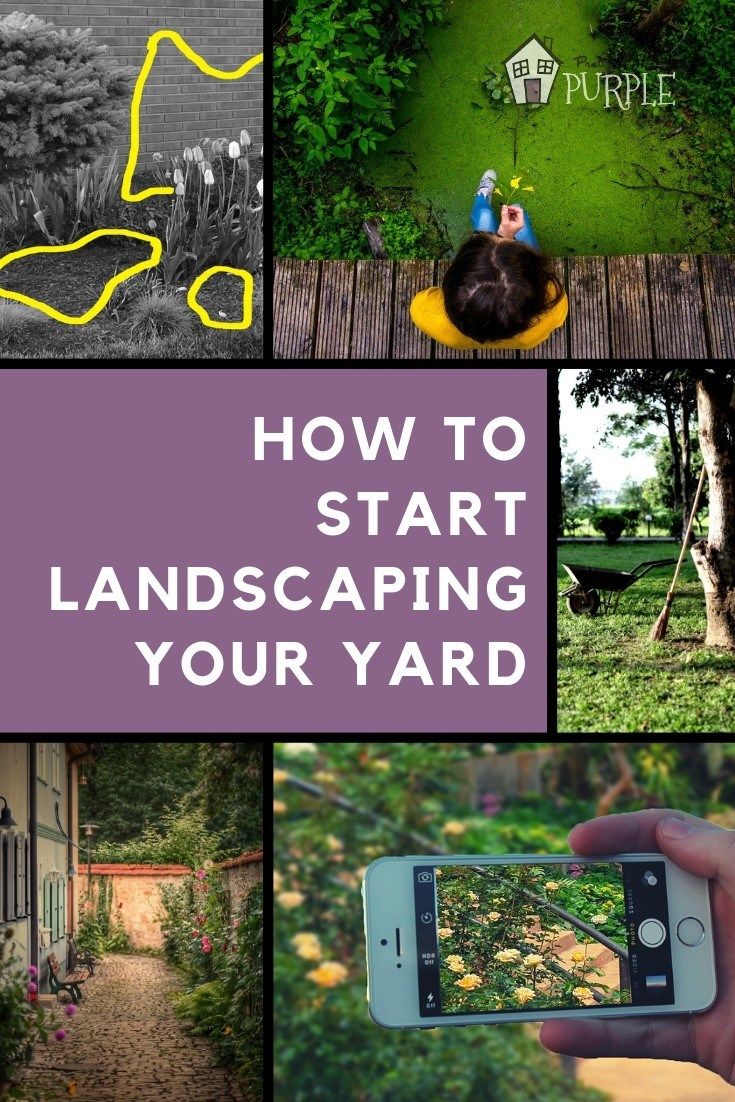

- Hardscapes: These are the non-living elements that provide structure and functionality. Examples include:
- Patios and walkways
- Retaining walls and fences
- Outdoor structures like gazebos or sheds
- Water features like ponds or fountains
- Softscapes: These are the living elements that bring color, texture, and life to a yard. Examples include:
- Plants, trees, and shrubs
- Lawns and ground covers
- Mosses and lichens
Designing a Yard: Principles and Styles
Landscapers use various design principles and styles to create yards that reflect the homeowner's personality and complement the property's architecture. Some common design principles include unity, balance, emphasis, rhythm, and proportion. Popular landscaping styles range from formal and traditional to casual and contemporary, with many variations in between.
Yard Maintenance: Keeping Your Outdoor Space Thriving
Maintaining a yard involves regular upkeep to ensure it remains healthy, attractive, and safe. This includes tasks like mowing, weeding, pruning, and fertilizing. The specific maintenance needs of a yard depend on factors such as its size, layout, plants, and local climate. Regular maintenance not only keeps a yard looking its best but also helps prevent issues like pest infestations and disease.


Yards and Their Impact on Property Value
A well-designed and maintained yard can significantly enhance a property's curb appeal and increase its value. According to various studies, a high-quality landscape can add up to 15% to a home's value. Moreover, a attractive yard can make a property more appealing to potential buyers, helping it sell faster. Conversely, a neglected yard can detract from a property's value and make it less desirable to buyers.
Incorporating Sustainability into Yard Design
Sustainable landscaping practices are increasingly important in modern yard design. These practices aim to create outdoor spaces that are not only beautiful but also environmentally responsible. Some sustainable landscaping techniques include using native plants, reducing water usage, minimizing chemical inputs, and incorporating renewable materials. By adopting these practices, homeowners can create yards that are both eco-friendly and enjoyable.


Related Articles

Essential Tools for Laminate Flooring: Your Complete Installation Guide
Embarking on a laminate flooring project? You're in the right place! Choosing the right tools is as crucial as selecting the perfect laminate planks. This...

What Is a Garage Policy? Your Complete Guide to Coverage
For anyone who owns or operates a vehicle from a home-based business, understanding what is a garage policy is essential. This specific type of insurance...

What Are Subfloors: The Complete Guide to Underlayment & Installation
Understanding Subfloors: A Comprehensive Guide In the realm of construction and home improvement, the term "subfloor" often crops up, yet its significance can...

Essential Tools to Install a Kitchen Faucet: Your Step-by-Step Guide
Essential Tools for Installing a Kitchen Faucet: A Comprehensive Guide Installing a kitchen faucet might seem like a daunting task, but with the right tools...

Where to Get Free Rocks for Your Garden: A Complete Guide
Where to Find Free Rocks for Your Garden: A Comprehensive Guide Transforming your garden into a visually appealing and functional space often involves...

Transform Your Yard: The Ultimate Guide to Large Yard Renovation
Transforming a large yard into a functional and beautiful outdoor living space requires careful planning, the right materials, and expert execution. Whether...