What Is a Tiered Garden? Definition, Benefits & How to Build One
Have you ever admired a garden that seemed to effortlessly transition from one level to another, creating a sense of depth and intrigue? Chances are, you were looking at a tiered garden, a landscaping technique that's both visually appealing and functionally practical. Let's delve into the world of tiered gardens, exploring their design, benefits, and how you can create one in your own space.
Understanding Tiered Gardens
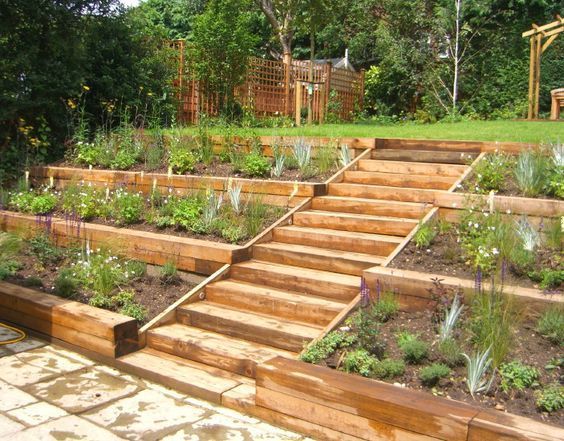
A tiered garden, also known as a stepped or terraced garden, is a landscaping design that involves creating different levels or 'tiers' in a garden. These levels can be achieved through the use of retaining walls, steps, or changes in the natural terrain. The result is a garden that's not only aesthetically pleasing but also maximizes the use of space, especially in sloped or hilly areas.
Benefits of Tiered Gardens
- Space Maximization: Tiered gardens allow you to create multiple garden 'rooms' or planting areas in a small space, making them ideal for urban or small city lots.
- Drainage: By creating levels, water can drain more efficiently, preventing erosion and reducing the risk of flooding.
- Accessibility: Tiered gardens can make gardens more accessible, with steps and paths leading from one level to another.
- Visual Interest: The different levels create a sense of depth and intrigue, making your garden more engaging and visually appealing.
Designing a Tiered Garden
Designing a tiered garden involves careful planning and consideration of your garden's unique features. Here are some steps to guide you:


Assess Your Space
Begin by assessing your garden's natural terrain. Identify any slopes or hills that could be transformed into tiers. Also, consider the size and shape of your garden, as this will influence the number and size of tiers you can create.
Plan Your Tiers
Once you've assessed your space, it's time to plan your tiers. Consider the function of each tier - will one be for dining, another for relaxation, and another for growing vegetables? Also, think about how each tier will transition into the next. Steps, paths, or even ramps can be used to connect each level.


Choose Your Materials
The materials you use to create your tiers will depend on your garden's style and your budget. Retaining walls can be made from wood, stone, brick, or concrete. Consider the maintenance required for each material and choose one that fits with your garden's aesthetic.
Planting Your Tiers
Once your tiers are in place, it's time to plant. Consider the height and spread of plants when choosing what to plant on each tier. Taller plants should be placed at the back or on lower tiers to prevent them from blocking sunlight from reaching plants on higher tiers.
Maintaining Your Tiered Garden
Like any garden, a tiered garden requires regular maintenance to keep it looking its best. This includes weeding, pruning, and watering. However, with a tiered garden, you'll also need to maintain your retaining walls to prevent them from shifting or collapsing.


Inspiration for Your Tiered Garden
If you're feeling stuck for ideas, there's plenty of inspiration to be found online. Websites like Pinterest and Instagram are filled with images of beautiful tiered gardens that can provide inspiration for your own design.
| Plant | Height | Spread |
|---|---|---|
| Hydrangea | 6-8 ft | 6-8 ft |
| Boxwood | 3-4 ft | 3-4 ft |
| Rhododendron | 6-12 ft | 6-12 ft |
| Russian Sage | 3-4 ft | 3-4 ft |




Related Articles

What Is a Coffered Ceiling in Architecture: Definition, Design & Benefits
A coffered ceiling is a series of sunken panels, known as coffers, arranged in a grid pattern across a flat ceiling plane. This architectural feature...

Two Tiered Annuity Definition: Benefits, Types & How It Works
Understanding Two-Tiered Annuities: A Comprehensive Guide In the complex world of retirement planning, annuities often emerge as a beacon of stability and...

Double Vaulted Ceiling: Definition, Design & Benefits
Ever gazed up at the soaring heights of a grand cathedral or a luxurious hotel lobby and marveled at the intricate patterns and expansive space created by the...

How to Build a Tiered Garden on a Slope: Step-by-Step Guide
Transforming Slopes into Stunning Tiered Gardens: A Comprehensive Guide Embracing a sloped yard doesn't mean you're limited to a monotonous landscape. With a...

What Is an Enclosed Porch? Definition, Examples & Benefits
Understanding Enclosed Porches: A Comprehensive Guide An enclosed porch is a versatile addition to any home, offering a blend of indoor and outdoor living...

Evergreen Perennial Definition: What They Are and Why Your Garden Needs Them
Understanding Evergreen Perennials: A Comprehensive Guide In the world of gardening, the terms 'evergreen' and 'perennial' are often used to describe plants...