The Hidden Meaning of Head Scarves: Symbolism & Culture
At its most fundamental level, a head scarf is a textile object, a square or rectangle of fabric folded and secured around the head. Yet, the simplicity of this action belies the profound weight carried by this single accessory. Across centuries and continents, the head scarf has evolved from a practical barrier against the elements to a potent symbol laden with spiritual conviction, cultural identity, social status, and personal expression. Understanding what a head scarf symbolizes requires peeling back the layers of history and geography to reveal a complex tapestry of human experience.
Historical Roots and Practical Origins
The history of the head scarf is intrinsically linked to survival and utility. In ancient civilizations, from the peoples of the Nile to those in the arid climates of the Middle East and Asia, head coverings were primarily pragmatic. They protected the scalp from the relentless sun, kept dust and sand out of the eyes and mouth, and provided a modicum of warmth in cooler evenings. Over time, these practical items became markers of cleanliness and hygiene, particularly in cultures where hair was seen as a repository of impurities. The transition from necessity to norm was gradual, embedding the scarf into the very fabric of daily life and tradition.
Religious and Spiritual Significance
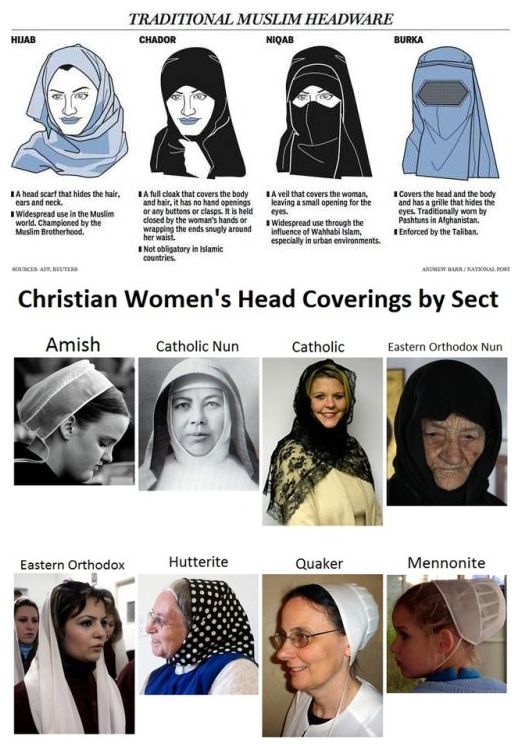
Perhaps the most widely recognized modern association is the head scarf's role in religious practice. For many, it is not merely an accessory but a sacred covenant with faith. In Islam, the hijab, khimar, or niqab serves as a physical manifestation of modesty (hijab) and privacy, symbolizing a woman's devotion to God and her adherence to a prescribed code of conduct regarding dress and behavior. Similarly, in Orthodox Christianity, married women often wear head coverings during prayer and church services as a sign of reverence and submission to divine authority. Within Judaism, married women may cover their hair with a scarf, wig, or hat as an act of tzniut, or modesty, a principle that governs conduct, dress, and behavior.


A Symbol of Devotion and Piety
Beyond the specific tenets of dogma, the religious head scarf functions as a consistent symbol of piety and surrender. It represents a life oriented not toward the self and its fleeting desires, but toward a higher power. It is a public declaration of identity, a visible commitment to a spiritual community and its values. The act of covering becomes a form of worship in itself, a constant, silent prayer tied to the movement of the head and the touch of fabric against the skin.
Cultural Identity and Social Signaling
Stepping beyond the purely religious, the head scarf is a powerful vessel for cultural expression and social communication. In many parts of the world, traditional scarves are integral to national and ethnic dress. The vibrant kente headwraps of Ghana, the intricately tied gele of Nigerian culture, or the simple mantilla of Spanish heritage all use head covering to telegraph a person's origins, community, and belonging. These scarves are walking billboards of heritage, connecting the individual to a collective past and reinforcing shared customs and narratives.


Fashion, Feminism, and Personal Agency
In the 21st century, the symbolism of the head scarf has expanded dramatically, particularly in secular Western contexts. What was once viewed almost exclusively through a religious lens is now also a bold fashion statement and a symbol of personal agency. For some, it is a conscious choice to reclaim the head scarf from the realm of the strictly traditional, using it as a versatile tool for self-expression. The color, pattern, and style of a silk scarf can convey a mood, complement an outfit, or signal membership in a subculture. Furthermore, the head scarf has been adopted by the #HijabFashion movement, where designers and influencers transform the garment into a high-fashion icon, challenging stereotypes and celebrating the autonomy of the woman who wears it. It becomes a symbol of resistance against homogenized beauty standards and a reclaiming of space.
Political Statements and Controversy
Unsurprisingly, given its deep cultural and religious roots, the head scarf has also become a focal point in political discourse. Its symbolism is often weaponized, turning a personal choice into a battleground for secularism, immigration, and national identity. Laws banning the wearing of religious symbols, including head scarves, in public institutions position the garment as a symbol of division or incompatibility with a perceived national ethos. Conversely, for those who choose to wear it in defiance of such bans, the head scarf becomes an even more potent symbol of resilience, faith, and the right to bodily autonomy. The political layer adds a complex, and often fraught, dimension to an ancient tradition.
The Multifaceted Conclusion
Ultimately, to ask what a head scarf symbolizes is to ask a question with a hundred answers. It is a chameleon-like object that absorbs the meanings projected upon it by the wearer, the community, and the observer. For the devout practitioner, it is a shield of faith. For the cultural steward, it is a banner of heritage. For the fashion-forward individual, it is an accessory of empowerment. For the politician, it is a lightning rod for controversy. The head scarf’s power lies precisely in this duality; it is at once intimate and public, traditional and revolutionary, a private act of devotion and a loud declaration of identity.


Related Articles

The Hidden Meaning of a Scarf in Literature: Symbolism & Interpretation
In literature, a scarf is far more than a practical garment for warmth; it is a potent textile symbol, a length of fiber woven with meaning that drapes itself...

The Symbolism of a Black Scarf: Unlocking Its Hidden Meanings
To understand what a black scarf symbolizes is to look past its primary function as a piece of winter apparel. While it undeniably serves the practical purpose...

The Secret Meaning of a Blue Scarf: Symbolism & Style
At first glance, a simple loop of fabric might seem like a straightforward accessory, but a blue scarf often carries a dense web of meaning far beyond its...

The Spiritual Meaning of a Scarf: Symbolism & Significance
At its core, a scarf is far more than a practical accessory designed to ward off the cold; it is a profound spiritual symbol that has traversed cultures and...

The Secret Meaning of a Green Scarf: Symbolism & Significance
The green scarf has become a powerful and poignant symbol in modern culture, representing a spectrum of meanings from personal identity to global movements...

The Secret Meaning of a Red Scarf: Symbolism & Tradition
At first glance, a simple strip of fabric might seem like a minor fashion choice, but the red scarf has historically functioned as one of the most potent and...