What Colour Paint Goes with Sage Green Kitchen Units? Perfect Pairing Ideas
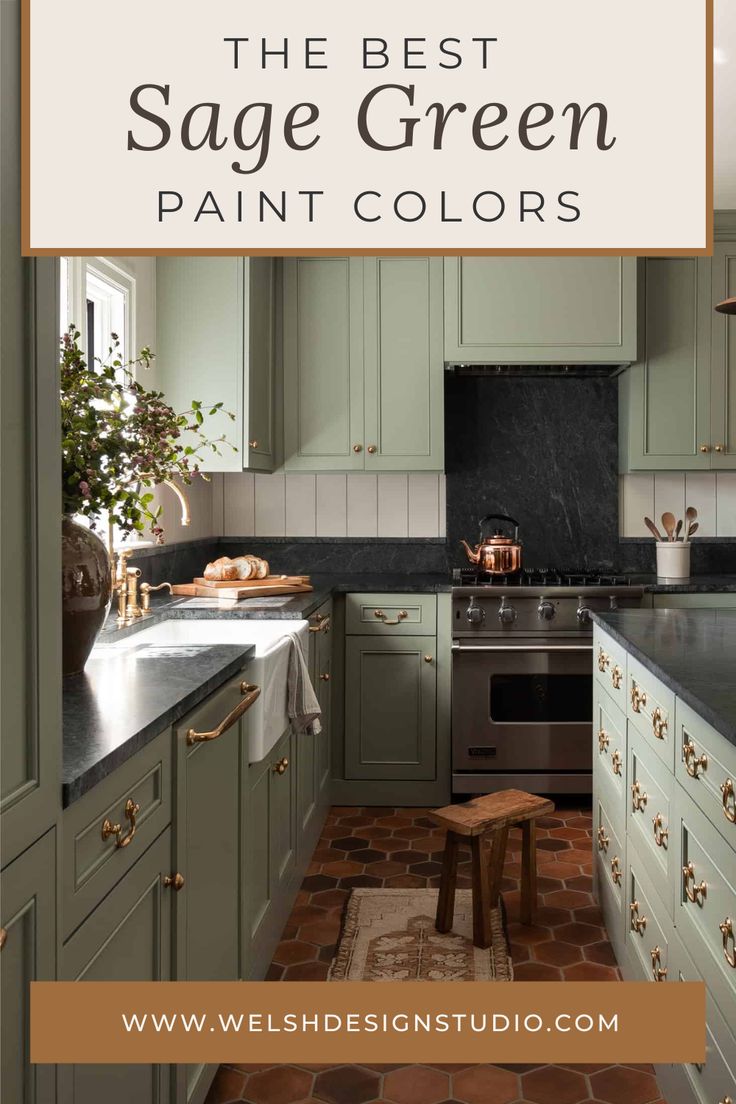
Sage green kitchen units offer a grounded, organic backdrop that instantly elevates a space from mundane to curated. This sophisticated hue, drawing inspiration from the muted tones of dried sage, pairs beautifully with a wide spectrum of colours. Choosing the right shade to complement your cabinetry is about balancing warmth, light, and the mood you wish to create in your kitchen.
Embracing Neutrals for Timeless Elegance
For a classic and serene aesthetic, neutral tones are the most harmonious partners for sage green. These colours act as a calming foil to the gentle earthiness of the cabinets, preventing the space from feeling too heavy or dated. The key is to select neutrals with the right undertone to ensure they complement rather than clash.
Soft Whites and Creams
Pairing sage green with soft white or cream creates a fresh, airy, and inviting atmosphere. This combination leans into a cottage-core or farmhouse vibe, making the kitchen feel larger and brighter. Opt for warm whites with a slight yellow or grey base to avoid a stark contrast that might feel clinical; a creamy off-white will bridge the gap between the green and your countertops with effortless grace.


Earthy Greys and Warm Browns
Grey is a natural extension of sage's palette, and when used in moderation, it creates a sophisticated, modern contrast. Cool-toned greys enhance the herbaceous qualities of the green, while warmer greys with taupe or beige notes create a cozier, more intimate feel. For a grounded, rustic aesthetic, consider rich brown tones like chocolate, espresso, or weathered oak on your lower units or an island.
Adding Depth with Jewel Tones
To create a bolder, more dramatic statement, introduce deep jewel tones that resonate with the earthiness of sage green. These colours add richness and depth, turning your kitchen into a space that feels both luxurious and lived-in.


| Colour Option | Effect and Best Use |
|---|---|
| Navy Blue | Creates a striking, high-contrast look that feels nautical and sophisticated. Ideal for lower cabinets or an accent wall. |
| Burnt Orange or Terracotta | Brings a warm, earthy spice that contrasts beautifully with the coolness of sage, evoking Mediterranean or southwest vibes. |
| Deep Plum or Eggplant | Adds a touch of drama and luxury. This unexpected pairing feels modern and artistic, perfect for a feature wall or statement pieces. |
Optimising Light with Pastel Shades
If your kitchen is on the smaller side or lacks natural light, lighter pastel shades can make sage green feel more open and airy. These softer hues prevent the space from feeling closed in while maintaining the cabinets as the visual focal point.
- Dusty Pink: A surprising but delightful partner, dusty pink introduces a soft femininity that balances the more masculine, leafy tone of sage.
- Muted Blue: Echoes the grey undertones in the green, creating a serene, cohesive coastal or Scandinavian-inspired scheme.
- Soft Yellow: Adds a touch of warmth and cheerfulness, mimicking natural light and making the kitchen feel welcoming.
Considering Your Kitchen's Lighting
The success of any colour combination hinges entirely on how your kitchen is lit. Natural light will intensify the green and make bolder colours pop, while artificial light can warm up or cool down the perceived tone of both the cabinets and your chosen accent colour.
In a north-facing kitchen with cool light, warmer paint shades like creams, peaches, and terracotta will counteract the chill and create a cosy environment. Conversely, in a south-facing kitchen with abundant warm sunlight, you can experiment with cooler tones like greys, whites, and even deeper blues without the space feeling too stark. Always test your paint samples on the cabinet frames or an adjacent wall at different times of the day to see how the light affects the colour.


Harmonising with Countertops and Backsplash
When selecting your paint colour, it is essential to view the kitchen as a whole. The colour of your countertops and backsplash will interact directly with the sage green units and influence the overall harmony.
- Quartz or Granite (with black or grey veins): These popular neutral surfaces work seamlessly with white, grey, or black paint, creating a high-contrast, modern look.
- Wood or Butcher Block: Warmer wood tones complement cream, beige, or terracotta paint, enhancing the organic feel of the kitchen.
- Subway Tile: classic white subway tile provides a crisp contrast that makes sage green feel both traditional and fresh, while grey tiles offer a more monochromatic, sophisticated effect.



Related Articles
What Colour Walls Go with Sage Green Kitchen Units? Perfect Paint Pairings
Sage green kitchen units offer a timeless, nature-inspired backdrop that instantly elevates a space from ordinary to considered. This muted, earthy hue sits...

What Colour Tiles Go With Grey Kitchen Units? Perfect Pairing Ideas
When it comes to designing a modern, sleek kitchen, grey kitchen units are a popular choice. Their versatility allows them to blend seamlessly with various...

What Colour Bed Goes With Sage Green Walls – Perfect Bedroom Ideas
When it comes to decorating your bedroom, choosing the right bedding to complement your sage green walls can make all the difference in creating a harmonious...

What Color Carpet Goes With Sage Green: Perfect Pairing Ideas
Selecting the perfect carpet color is one of the most impactful decisions in interior design, acting as the foundational anchor for a room’s entire aesthetic...

What Colour Goes with Sage Green Clothes? Stunning Pairing Ideas
Sage green possesses a unique duality, sitting perfectly between the cool tranquility of mint and the earthy warmth of olive. When asking what colour goes with...
What Colour Goes With Dusty Green: Complementary Color Pairing Ideas
Dusty green occupies a unique space in the color spectrum, sitting between the freshness of mint and the depth of forest green. Its muted, greyed-down quality...