Upcycled Home: 10 Creative Ideas to Transform Your Space & Save the Planet
Upcycled home design is rapidly moving from niche eco-hobby to mainstream interior style. This approach breathes new life into forgotten objects, turning industrial scraps, vintage finds, and household clutter into functional art. The result is a space with history, character, and a significantly lighter environmental footprint. It is less about simple recycling and more about creative elevation, where an item’s second life is often more valuable than its first.
The Philosophy Behind Upcycling
At its core, upcycling is a design philosophy that challenges the linear take-make-waste model. Instead of discarding materials at the end of their lifecycle, you intercept them and reimagine their potential. This requires a shift in perspective, seeing possibility where others see waste. A chipped ceramic plate becomes a stunning mosaic tabletop, while discarded wood pallets transform into rustic shelving. The goal is to create something of higher quality or value than the original item, merging sustainability with sophisticated aesthetic intent.
Environmental and Economic Benefits
Choosing upcycled elements for your home is one of the most direct ways to reduce your environmental impact. It diverts waste from landfills and conserves the raw materials needed to manufacture new products. Unlike mass-produced goods, upcycled pieces are often one-of-a-kind, adding instant exclusivity to your decor. From a financial perspective, it is a highly effective strategy for refreshing your space. You can achieve a high-end, artisanal look without the high-end price tag, channeling your budget into statement pieces rather than replacing entire furniture sets.


Getting Started with an Upcycled Palette
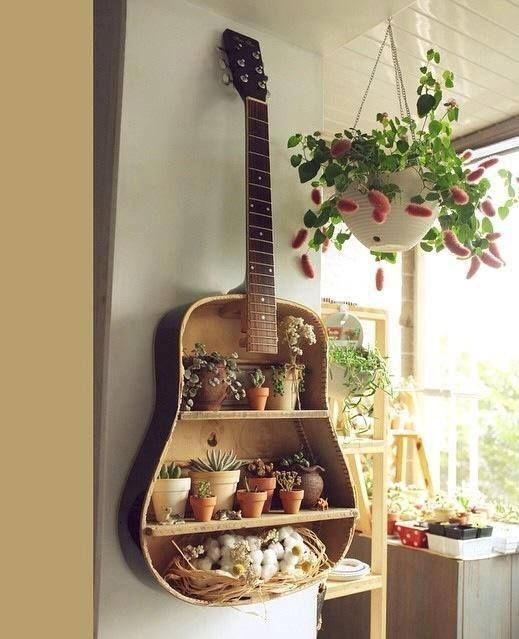
Embracing this style doesn't require a complete overhaul of your home. Start small by incorporating a single focal point that sets the tone. Visit local thrift stores, estate sales, and flea markets to find hidden structural elements. Look for items with strong bones—solid wood frames, metal structures, or interesting architectural details like old window frames or doors. These raw materials are your canvas, providing the sturdy foundation upon which you can build your unique vision.
Creative Project Ideas for Every Room
The versatility of upcycling allows you to touch nearly every room in your home. In the living room, consider reupholstering a worn armchair with vintage fabric or converting a large industrial spool into a dramatic coffee table. The kitchen offers opportunities like turning wine crates into rolling islands or installing salvaged wooden doors as open shelving. For the bedroom, an antique ladder can become a stylish blanket rack, while old mason jars organize accessories on the vanity. Even the bathroom can benefit from a reclaimed wood vanity or mirror frame, adding warmth and provenance to the space.


Material-Specific Inspiration
Certain materials are particularly well-suited for upcycling due to their durability and aesthetic appeal. Wood is the most common, offering endless possibilities from barn wood accent walls to crate coffee tables. Metal is ideal for creating industrial-chic lighting fixtures or sculptural bookends. Glass jars and bottles can be transformed into pendant lights or vases, while textiles like old sweaters or curtains can be braided into rugs or pillow covers. The key is to assess the inherent qualities of the material and let them guide the new design.
Balancing Upcycled with New
A cohesive home design successfully blends the old with the new. While upcycled items add soul and intrigue, you need a foundation of clean lines and neutral palettes to prevent the space from feeling cluttered or chaotic. Use your upcycled pieces as accents against a backdrop of simpler, modern furniture. For example, pair a heavily distressed, reclaimed wood table with sleek, minimalist chairs. This dialogue between the raw and the refined creates visual interest and ensures the room feels curated rather than chaotic.
Maintaining Authenticity and Quality
To avoid a DIY mismatch, prioritize quality in both the materials you salvage and the craftsmanship of your work. Ensure that any repurposed wood is free of rot and lead paint, and that metal is structurally sound. The finish is crucial; a well-executed stain or paint job can elevate a piece from looking homemade to being a bespoke treasure. Authenticity matters, so embrace the patina of age—scratches and weathered textures tell a story and add depth that perfect newness cannot replicate. The result should feel authentic, intentional, and enduring.


Related Articles

Creative Upcycled Doors: Transform Your Space with DIY Ideas
Revamp Your Space: A Guide to Upcycling Internal Doors In the pursuit of a unique and eco-friendly home, upcycling internal doors is a creative and sustainable...

Creative Upcycle Kitchen Table Ideas: Transform Your Space Today
In the pursuit of sustainability and creativity, upcycling old or discarded items to give them new life has gained significant traction. The kitchen table, a...

Creative Old Basement Ceiling Ideas to Transform Your Space
Transforming an old basement ceiling into a functional and inviting space can be a daunting task, but with the right ideas and a bit of creativity, you can...

"10 Creative Porch Goose Ideas to Transform Your Space"
Few images evoke the serene charm of a quiet suburban evening quite than the sight of a porch goose stationed beside a welcoming farmhouse door. These...

Creative Wood Pallets Design: Upcycled Ideas for Your Home
Revolutionizing Logistics: The Art and Science of Wood Pallet Design In the vast landscape of supply chain management, one often overlooked yet crucial element...

Cute DIY Decor Ideas: Transform Your Space with Easy Crafts
Transforming a house into a home is often about the small, personal touches that reflect your unique personality. Cute DIY decor ideas provide the perfect...