Upcycled Crafts to Sell: Turn Trash into Treasure & Boost Your Income
In a world overflowing with mass-produced goods, the value of the handmade and the historically significant is rising. Upcycled crafts to sell represent a powerful intersection of creativity, sustainability, and entrepreneurship, offering a tangible solution to waste while satisfying a growing consumer demand for authentic and unique products. This practice transforms discarded items into desirable commodities, giving old materials a new lease on life and a compelling story to tell.
The appeal of selling upcycled goods extends beyond the environmental benefits, though that is a critical component. Consumers are increasingly looking for items with character and history, moving away from generic, sterile products. By crafting sellable items from reclaimed wood, vintage fabrics, or obsolete electronics, artisans tap into a narrative-driven market. Each piece becomes a one-of-a-kind object, distinct from anything found in a big-box store, providing a built-in story that enhances its perceived value and connects directly with a conscious consumer base.
Identifying High-Potential Materials
The foundation of a successful upcycled craft business lies in sourcing. The best materials are often hiding in plain sight, waiting to be discovered. A keen eye is essential for spotting potential in items that others see as trash. The market value of an upcycled product is directly linked to the inherent quality and character of its source material.


Common and Profitable Source Items
- Vintage Clothing and Denim: Ideal for creating tote bags, quilts, and statement apparel.
- reclaimed Wood: Pallets, old furniture, and barn wood are perfect for furniture, wall art, and home decor.
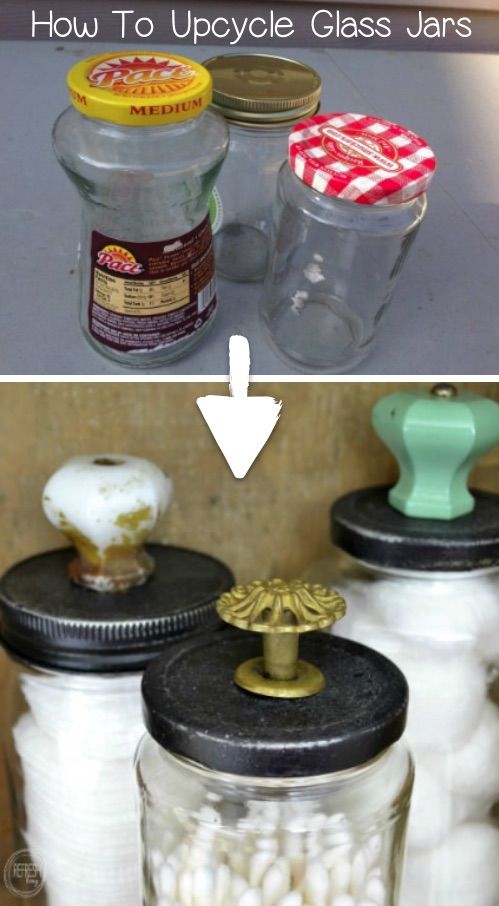
- Glass Jars and Bottles: Transform them into chic vases, enclosed terrariums, or stylish drinkware.
- Discarded Electronics: Circuit boards and keyboard keys can be repurposed into striking jewelry and tech accessories.
- Scraps of Fabric and Leather: Use these for creating small accessories like coasters, phone cases, and keychains.
Crafting Techniques for Marketable Products
Once the materials are sourced, the crafting process begins. Success in this arena requires a blend of traditional craftsmanship and innovative design. The goal is to highlight the history of the material while creating a clean, modern, or intentionally rustic aesthetic that appeals to current trends. Mastering a few key techniques can elevate a simple upcycled item into a premium product.
Essential Skills for the Modern Artisan
- Basic Woodworking and Joinery: For creating stable, durable furniture and home goods.
- Sewing and Textile Manipulation: Essential for working with fabrics, from embroidery to reupholstery.
- Metalworking and Wire Sculpting: Useful for constructing frames, jewelry, and unique structural elements.
- Finishing and Patination: Techniques like staining, sealing, and distressing protect the piece and enhance its natural beauty.
Branding and Storytelling for Your Craft
In a crowded marketplace, your brand story is your most valuable asset. Customers buying upcycled crafts are buying into a philosophy. They value the reduction of waste, the support of local economies, and the preservation of materials. Your brand must authentically communicate these values. Transparency about your process, from sourcing to creation, builds trust and loyal customers.


Your narrative should be woven into your product listings, your website, and your social media presence. Instead of just listing a "Vintage Map Purse," tell the story: "Handcrafted from a 1950s travel atlas, this one-of-a-kind purse preserves a piece of cartographic history." This storytelling transforms a functional item into a conversation piece, allowing you to command a higher price point and build a dedicated following around your mission.
Navigating the Business and Market Landscape
Treating your upcycling venture as a legitimate business is crucial for long-term success. This involves more than just making beautiful things; it requires strategic pricing, marketing, and an understanding of your target audience. The market for sustainable and vintage goods is robust, but it demands professionalism. From calculating material and labor costs to managing inventory and shipping, the operational side of the business is just as important as the creative side.
Platforms like Etsy, local artisan markets, and your own Shopify store provide avenues to reach a global audience. High-quality photography is non-negotiable; it’s the primary way customers experience your product online. By showcasing the texture of the reclaimed materials and the meticulous craftsmanship in well-lit, styled photos, you communicate value. Ultimately, the combination of unique products, a compelling story, and sound business practices allows an upcycled crafts enterprise to thrive as both a creative outlet and a sustainable profit generator.


Related Articles
Upcycle Sell: Turn Trash into Treasure & Boost Your Income
Upcycle sell represents a dynamic intersection between sustainability and commerce, offering a viable path for creative entrepreneurs to reduce waste while...
Profitable DIY Upcycle Ideas to Sell: Turn Trash into Treasure & Boost Income
The modern marketplace is overflowing with consumers actively searching for unique, sustainable, and affordable goods, creating a perfect storm of opportunity...

Sell Upcycled Clothing on Etsy: Turn Trash into Treasure Trend 🌱💼
Selling Upcycled Clothing on Etsy: A Comprehensive Guide In the world of e-commerce, Etsy stands out as a unique platform that supports creativity...

How to Sell Crafts as a Hobby: Turn Your Passion Into Profit
Turning a creative passion into a source of income is an exciting prospect, and learning how to sell crafts as a hobby is the perfect way to make that happen...

Creative Upcycled Flower Pot Ideas: Turn Trash into Garden Treasure
Creative Upcycled Flower Pot Ideas for a Sustainable Garden In the pursuit of a greener, more sustainable lifestyle, upcycling has become a popular trend. By...

Profitable Homemade Ideas to Sell Online: Turn Your Crafts Into Cash
Turning a creative passion into a viable source of income has never been more accessible, and the market for homemade goods is thriving more than ever. Whether...