Turning Trash to Cash: 25 Profitable Upcycled Crafts to Sell
Turning discarded materials into marketable goods is one of the most rewarding ways to combine creativity with commerce. Upcycled crafts to sell for money allow artisans to minimize waste while maximizing profit, offering products with a story that mass-produced items cannot replicate. This practice transforms forgotten objects into desirable accessories, home accents, and wearable art, appealing to eco-conscious consumers who value sustainability and individuality. By dedicating time to learn specific techniques, you can build a brand identity rooted in resourcefulness and quality.
Identifying the Most Lucrative Upcycled Items
Success in this market begins with selecting the right products to create. You must analyze trends and identify items that balance personal skill with consumer demand. Focus on categories that command higher price points and repeat purchases, ensuring your efforts translate into a sustainable income. The following table outlines some of the most profitable categories, their source materials, and target markets.
| Product Category | Common Source Materials | Target Market |
|---|---|---|
| Textile & Bags | Denim jeans, vintage curtains, leather scraps | Fashion-conscious, eco-friendly shoppers |
| Home Decor | Wine corks, pallet wood, glass bottles | Homeowners, interior designers |
| Jewelry & Accessories | Old electronics, buttons, scrap metal | Gift buyers, fashion enthusiasts |
| Stationery & Art | Book pages, vintage maps, discarded paper | Students, collectors, writers |
Mastering the Jewelry Niche
Jewelry remains one of the most lucrative sectors for upcycling due to its high perceived value and portability. Creating earrings, necklaces, and rings from discarded metals, circuit boards, or sea glass allows you to produce lightweight inventory with minimal overhead. The key to profitability lies in mastering finishes and presentation; a polished metal frame or a sealed resin coating can elevate scrap materials to look indistinguishable from high-end designer pieces. To succeed, focus on developing a signature style that ensures repeat customers.


Breathing New Life into Home Goods
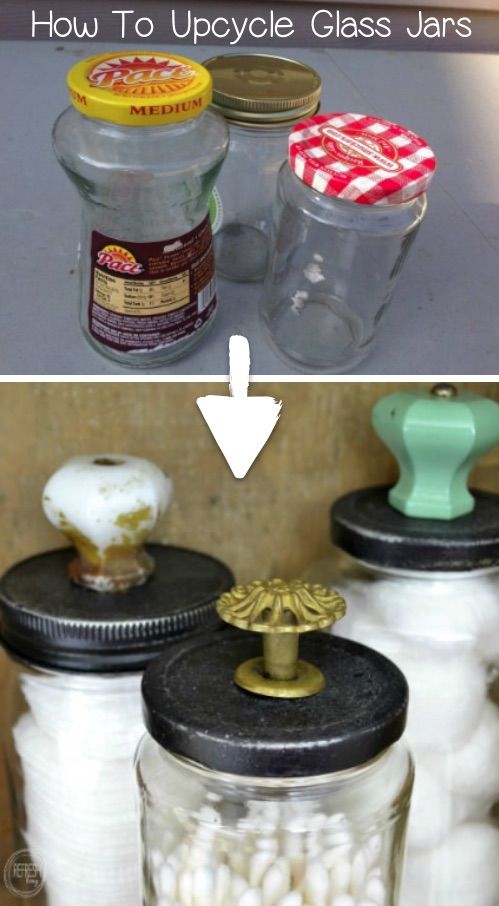
Home goods offer a stable market because they serve a universal need and often allow for larger product sizes. Transforming pallets into coffee tables or using reclaimed wood to create floating shelves taps into the rustic and industrial aesthetics currently dominating interior design. Glass jars can be sandblasted and fitted with new lids to become chic storage vessels, while old ladders can be repurposed into spice racks or towel holders. These projects not only look stunning but also provide the practical utility that modern consumers actively seek.
Building Your Brand and Online Presence
Once you have a collection of quality items, you must translate craftsmanship into visibility. Establishing a strong brand is essential; your story—discovering materials in a thrift store or rescuing wood from a landfill—adds emotional value that justifies your pricing. Utilize social media platforms to document your creative process, as behind-the-scenes content builds trust and engagement. High-quality photography is non-negotiable; natural lighting and clean backgrounds help potential buyers visualize the piece in their own space, bridging the gap between the digital screen and the physical product.


Sourcing Materials Sustainably and Profitably
The foundation of upcycling is acquisition, and how you source materials directly impacts your profit margin. The most successful sellers treat trash collection as a strategic mission, visiting flea markets, estate sales, and curb-side pickups before items hit the dumpster. Building relationships with local businesses—such as breweries, restaurants, or furniture stores—can yield a steady supply of unused materials like crates, pallets, or broken furniture. Remember, the goal is to acquire these inputs at little to no cost, allowing you to maximize the markup on your final sale price.
Scaling Your Production Without Losing Quality
To move from hobbyist to full-time entrepreneur, you must implement systems that allow for scalability without compromising the integrity of your work. This involves creating templates, investing in specialized tools, and standardizing your processes. For example, if you sell Tote bags made from old clothing, you might create patterns and use a die-cutting machine for logos rather than cutting each one by hand. Outsourcing specific non-core tasks, such as shipping or basic sewing, can also help you meet increased demand while ensuring every product maintains the high standard that made your brand popular.


Related Articles

Profitable Upcycling Ideas to Sell: Turn Trash into Cash
Turning discarded materials into marketable products is one of the most rewarding ways to blend creativity with commerce. Upcycling allows entrepreneurs to...
Profitable Homemade Ideas to Sell Online: Turn Your Crafts Into Cash
Turning a creative passion into a viable source of income has never been more accessible, and the market for homemade goods is thriving more than ever. Whether...

Profitable Farmers Market Crafts: Easy DIY Ideas to Sell
Turning a weekend visit to the farmers market into a profitable venture is easier than you might think. For the artisan and the hobbyist alike, a bustling...
Easy Crafts for Bazaars: Profitable DIY Projects to Sell
Organizing a community bazaar presents a unique opportunity to bring people together, but the success of the event often hinges on the quality and appeal of...

Where to Sell Upcycled Clothing Online: Top Platforms & Profitable Tips
In the era of sustainability and conscious consumerism, upcycled clothing has emerged as a thriving niche in the fashion industry. If you're a creative...
Profitable Handmade Crafts to Sell at Farmers Markets
Transforming a creative hobby into a profitable venture is more accessible than ever, especially when you start selling at local farmers markets. These...