Essential Guide to 7 Types of Minimalist Interior Design
Exploring the World of Minimalist Interior Design: Types and Techniques
Minimalist interior design, with its emphasis on simplicity, functionality, and clean lines, has gained significant traction in recent years. This design philosophy, born out of the mid-20th century art movement, has evolved to encompass a variety of styles, each with its unique characteristics. Let's delve into the different types of minimalist interior design and explore how they can transform your space.
Understanding Minimalism: The Core Principles
Before we dive into the types, it's crucial to understand the core principles of minimalist interior design. These include:
- Embracing simplicity and functionality
- Using a neutral color palette
- Limiting the number of items in a space
- Emphasizing clean lines and open spaces
- Incorporating natural materials
1. Scandinavian Minimalism: Cozy and Inviting
Scandinavian minimalism, also known as Nordic minimalism, is a popular variant that combines minimalist principles with warm, inviting elements. Characterized by:


- Light, neutral colors
- Natural materials like wood and wool
- Cozy textures and warm lighting
- Multifunctional furniture
2. Japanese Minimalism: Harmony and Balance
Inspired by the principles of wabi-sabi and ma, Japanese minimalism focuses on creating harmony and balance in space. Key features include:
- Minimalist furniture with clean lines
- Natural materials like bamboo and tatami mats
- Greenery and indoor plants
- Open floor plans and sliding doors
3. Industrial Minimalism: Raw and Edgy
Industrial minimalism, as the name suggests, combines minimalist principles with industrial elements. This style is characterized by:


- Exposed brick, concrete, or metal surfaces
- Minimalist furniture with a raw, edgy aesthetic
- Open floor plans and high ceilings
- Task lighting and pendant lamps
4. Modern Minimalism: Sleek and Elegant
Modern minimalism is a more sleek and elegant variant of the style, characterized by:
- Smooth, glossy surfaces
- Minimalist furniture with a modern aesthetic
- Bold, geometric shapes
- Monochromatic color schemes
5. Eclectic Minimalism: A Fusion of Styles
Eclectic minimalism is a fusion of minimalist principles with other design styles. This style allows for more creativity and personal expression, as long as the space remains clutter-free and functional. Key features include:
- A mix of minimalist and other design elements
- Bold, unique pieces that tell a story
- Minimalist furniture to balance the space
- A neutral color palette to tie the space together
Creating a Minimalist Space: Tips and Tricks
Regardless of the type of minimalist interior design you choose, there are some universal tips to keep in mind:


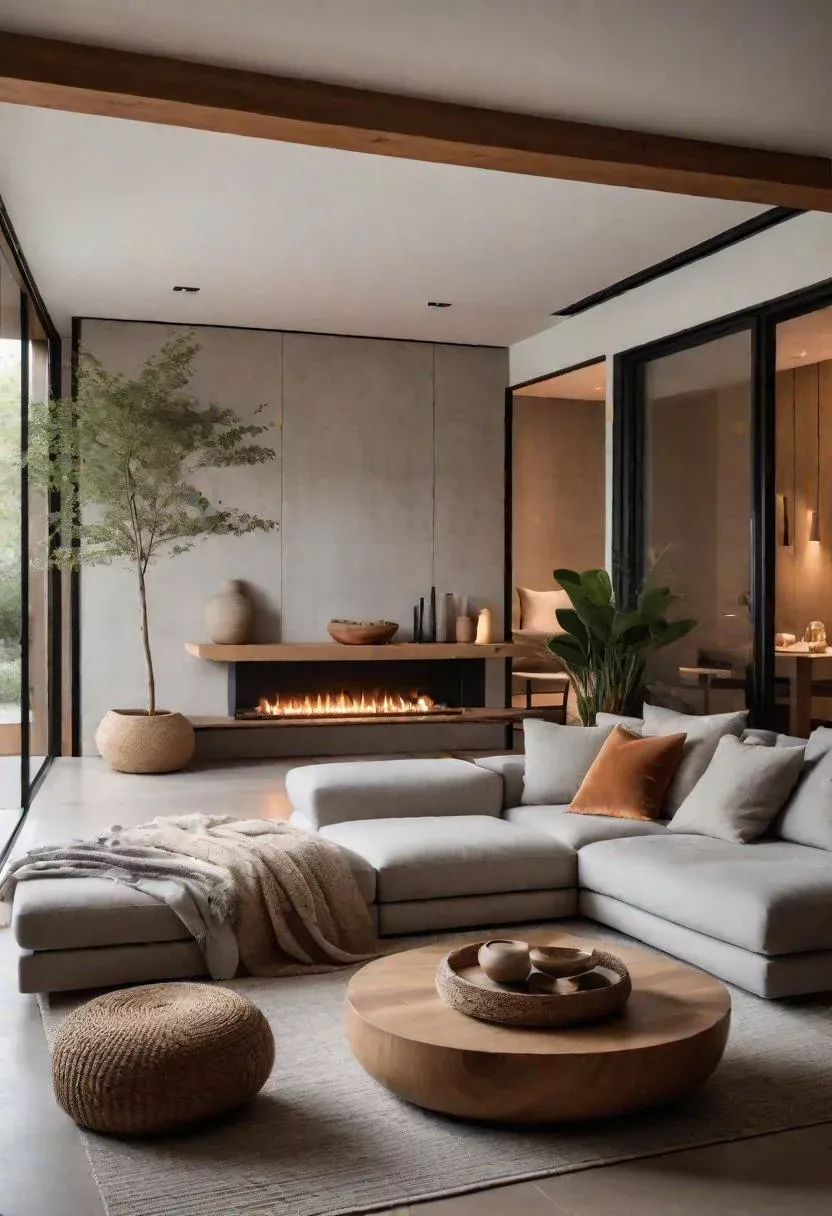


- Declutter regularly to maintain a clean, minimalist space
- Invest in multifunctional furniture to maximize space
- Use natural light to brighten up your space
- Incorporate greenery to bring life and color to your space
- Focus on functionality and simplicity in your design choices
Minimalist interior design is not about creating a sterile, empty space. Instead, it's about creating a functional, clutter-free environment that allows you to live, work, and relax comfortably. By understanding the different types of minimalist interior design, you can create a space that reflects your personal style and meets your unique needs.


Related Articles

10 Essential Types of Pergola: Design, Material & Style Guide
Exploring the Versatile World of Pergolas: A Comprehensive Guide Pergolas, with their elegant and functional design, have become a staple in outdoor living...
Japandi Interior Design: The Ultimate Guide to Minimalist Elegance
What is Japandi Interior Design? Japandi, a fusion of Japanese and Scandinavian design principles, is an emerging interior design trend that's taking the world...

The Ultimate Guide to Rose Garden Definition: Types, Design, and Meaning
A rose garden, a sanctuary of vibrant colors and enchanting fragrances, is a meticulously designed outdoor space dedicated to the cultivation and display of...

What Colours Go With Green: Ultimate Interior Design Guide
Harnessing Nature's Palette: Colours That Complement Green Interior Design Green is a versatile and calming colour that evokes images of lush forests and...

The Ultimate Guide to Interior Design for Bachelor Pad: Stylish & Functional Spaces
Creating a Stylish and Functional Bachelor Pad: Interior Design Tips Designing an interior that reflects your personality and caters to your lifestyle is an...

The Ultimate Guide to Interior False Walls: Design, Cost & Installation
Transform Your Space: The Versatility of Interior False Walls In the realm of interior design, versatility is key. One innovative solution that has gained...