Maximize Space: 15 Types of Built-In Kitchen Cupboards for Your Dream Kitchen
When planning a kitchen remodel, the vocabulary surrounding storage can quickly become overwhelming. The specific type of built in kitchen cupboards you select dictates not only the visual character of the room but also the daily ergonomics of cooking and cleaning. From the classic base cabinet to the tall pantry that draws the eye upward, each unit serves a distinct functional purpose. Understanding the differences between these systems is the first step toward creating a kitchen that is both beautiful and effortlessly efficient.
The Foundational Layout: Base, Wall, and Tall Units
The world of built in kitchen storage is generally organized into three primary zones, each defined by its height and location within the room. These zones work together to create a triangular workflow, often referred to as the "work triangle," linking the sink, stove, and refrigerator. Selecting the right combination of these foundational units ensures that every inch of your kitchen is utilized for maximum storage and accessibility.
Base Cabinets: The Heavy-Duty Workhorses
Base cabinets are the heavyweights of the kitchen, sitting directly on the floor and providing the essential support for the countertop surface. These units are typically installed in a single row along the walls, though they can also be configured in double rows with a central aisle. Because they house the sink and major appliances like dishwashers, base cabinets are engineered to withstand significant weight and moisture. The real customization happens in the door style and finish, allowing homeowners to align the storage with the overall design aesthetic.


Wall Cabinets: Elevating Storage and Style
mounted above the countertop, wall cabinets are the primary vertical storage solution in the kitchen. Their purpose is to store lighter, frequently used items such as dishes, glassware, and cooking tools, keeping them close at hand without cluttering the valuable counter space. These cupboards are often constructed with a face frame or as frameless euro-style units, which affects the amount of interior space and the type of drawer fronts you can install. Choosing between glass-front doors for display or solid panels for a cleaner look is a major decision in defining the kitchen's character.
Tall Cabinets: Maximizing the Vertical Realm
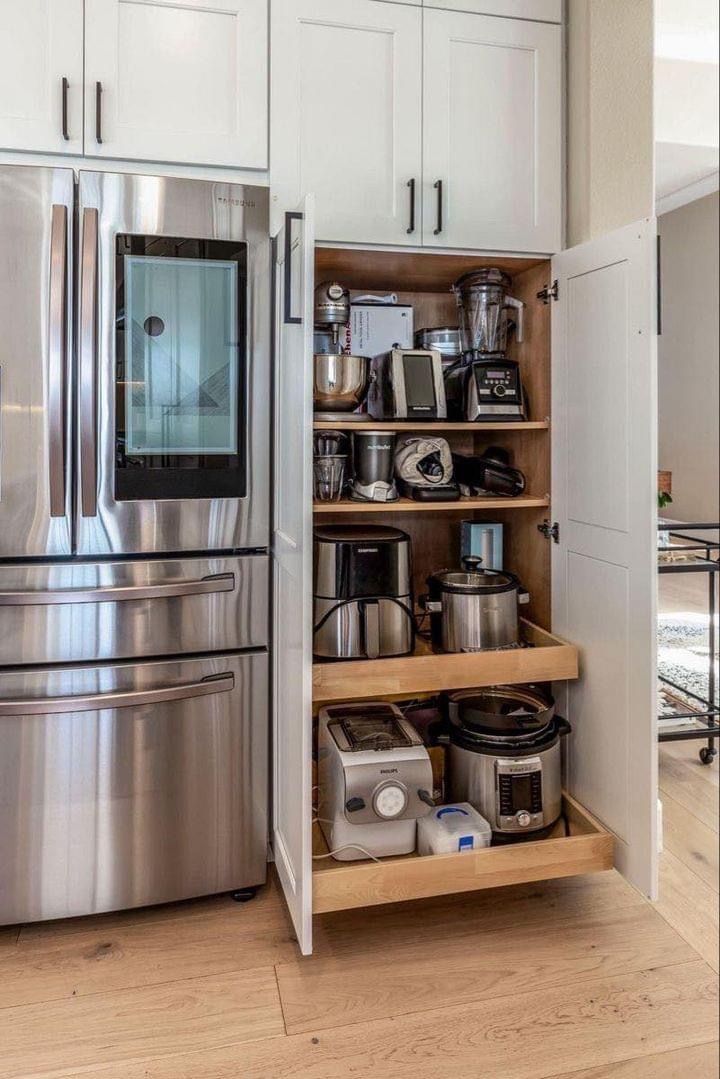
Tall cabinets, sometimes called high cabinets or pantry cabinets, bridge the gap between the base and wall units by extending up toward the ceiling. These units are ideal for storing bulk food items, small appliances, or less frequently used equipment. Because they utilize the often-wasted vertical space, they provide a massive increase in storage capacity without requiring additional floor space. Modern designs often incorporate specialized pull-out racks or lazy Susans to eliminate dark corners and make every item visible and reachable.


Specialized Solutions and Organizational Features
While the basic cabinet types provide the structure, the true functionality of a kitchen is defined by the specialized components and organizational systems installed within them. These features transform a simple storage unit into an efficient workspace, making it easier to access items and maintain order. Investing in these add-ons during the planning phase ensures the kitchen remains clutter-free for years to come.
Drawer Systems and Organizers
- Deep drawers are perfect for storing pots, pans, and baking sheets, eliminating the need to stack items and risk scratching surfaces.
- Shallow drawers are ideal for utensils, measuring cups, and tool holders, keeping everyday items instantly accessible.
- Tray slides and cabinet organizers turn narrow spaces into orderly zones for lids, cutting boards, or cleaning supplies.
Corner and Blind Spot Solutions
Corners and the areas behind oven door swings are often the least efficient spaces in a kitchen. However, modern engineering has provided elegant solutions to utilize this space fully. By integrating specific mechanisms into the built in kitchen cupboards, you can reclaim square footage that would otherwise remain wasted.
- Lazy Susans: These rotating trays are the classic solution for corner cabinets, allowing access to every item with a simple spin.
- Pull-out Corners: Featuring vertical sliding systems, these units bring the entire contents of the corner into clear view at the pull of a handle.
- Vertical Dividers: Often used behind oven doors or trash cans, these systems keep narrow spaces tidy and prevent items from falling behind the appliance.
Material Choices and Door Styles that Define Aesthetics
The material you choose for your built in kitchen cupboards dictates the longevity and maintenance requirements of the kitchen. While plywood and medium-density fiberboard (MDF) are common internal construction materials, the external finish and door style are what the eye sees. Matching the door profile to the hardware and finish can result in a seamless, integrated look that elevates the entire room.


Door Style and Finish
| Door Style | Description | Best For |
|---|---|---|
| Shaker | A simple, five-piece design with a recessed center panel. | Traditional, transitional, and farmhouse aesthetics. |
| Slab (Flat Panel) | A smooth, flat door with no additional detailing or frames. | Modern, minimalist, and contemporary looks. |
| Raised Panel | Features a decorative, outward-rising center panel. | Classic, traditional, and high-end traditional designs. |
Beyond the structure, the finish protects the wood and sets the mood. Stained finishes highlight the natural grain of oak or cherry, offering warmth and depth, while painted finishes provide a bold, uniform color that can make a small kitchen feel larger. High-gloss lacquers reflect light beautifully, whereas matte finishes offer a soft, sophisticated texture that hides fingerprints well.
Optimizing Functionality with Specialized Units
Not all kitchen storage needs to be static. Integrating specialized built in units designed for specific appliances or tasks can streamline the cooking process significantly. These units move beyond simple boxes and hinges to address the specific ergonomics of a cooking environment.
Appliance Garage and Trash Solutions
An appliance garage is a cabinet designed to hold a countertop mixer, food processor, or toaster, often featuring a cabinet door that opens down rather than up. This keeps the appliance accessible while hiding the visual clutter of wires. Similarly, integrating a trash cabinet with a pull-out bin ensures that sanitation and waste management are neatly contained within the cabinetry lines, maintaining a clean appearance even with daily use.


Ultimately, the selection of built in kitchen cupboards is a balancing act between storage capacity, workflow efficiency, and visual appeal. By understanding the role of each unit type—from the foundational base to the specialized pull-outs—you can create a storage system that not only looks professional but genuinely enhances your daily routine.
Related Articles

Modern Bedroom Built-In Cupboards Ideas: Maximize Space & Style
Modern bedroom built in cupboards are no longer just a storage solution; they are the cornerstone of a serene and organized sanctuary. The shift towards...

Maximize Space with a Built-In Coffee Cabinet Kitchen
For the modern homeowner, the built in coffee cabinet kitchen represents far more than a simple storage solution. It is the dedicated command center for the...

DIY Built-In Bedroom Cupboards Ideas: Maximize Space & Style
Transforming the bedroom into a serene sanctuary starts with intelligent storage solutions. A DIY built-in wardrobe offers the perfect blend of functionality...

Bedroom Built-In Cupboards Ideas with Mirror: Maximize Space & Style
Integrating bedroom built in cupboards ideas with mirror solutions is one of the most effective ways to solve modern storage dilemmas while maintaining a...

Maximize Your Space: 15 Brilliant Built In Cupboards Bedroom Ideas
Maximizing a small bedroom often feels like a puzzle, but built in cupboards bedroom ideas for small spaces are the perfect solution. By integrating storage...
Small Bedroom Built-In Cupboards Ideas: Maximize Space & Style
Maximizing space in a small bedroom often feels like a constant battle, but built-in cupboards offer a sophisticated solution that blends storage with design...