Traditional Pierogi Fillings: Best Recipes & Ideas
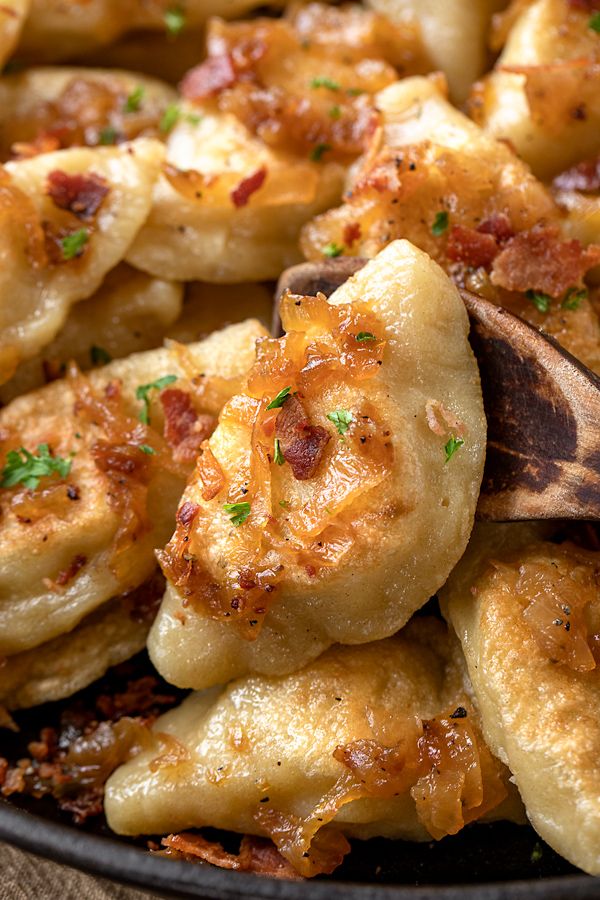
Few dishes capture the soul of Eastern European cooking quite like the humble pierogi, and at the heart of this beloved dumpling lies its filling. Far from a simple mixture, the traditional pierogi filling represents generations of culinary wisdom, regional identity, and the resourceful use of seasonal ingredients. These dough pockets are a canvas for both savory richness and comforting sweetness, transforming humble components into a meal that is greater than the sum of its parts.
The Classics: Potato and Cheese
When one thinks of pierogi, the iconic potato and cheese filling usually comes to mind, particularly in Polish and Ukrainian traditions. This combination relies on specific components to achieve the perfect texture and flavor profile. The foundation is typically a starchy potato, either boiled and mashed or pan-fried until it develops a delightful crisp edge. This potato base is then folded with a soft, tangy cheese, most commonly farmer's cheese (twaróg), queso fresco, or sometimes feta, creating a creamy yet slightly granular interior that balances the earthiness of the tuber.
Regional Variations on a Theme
While the core ingredients remain similar, the execution varies significantly across the Carpathian region. In some Lithuanian versions, the mixture is enriched with fried onions and a touch of sour cream, resulting in a softer, more luxurious consistency. Conversely, classic Polish pierogi ruskie often feature just a hint of fried bacon fat mixed into the mash, adding a distinct savory depth that cuts through the richness of the cheese. The specific variety of potato—be it a waxy new potato or a floury baking potato—also dictates whether the filling is moist and tender or dry and fluffy, showcasing the nuance within this seemingly simple category.


Savory Meat Lovers' Favorites
For those who prefer a heartier bite, meat-based pierogi fillings offer a satisfying and robust alternative. Ground pork is a frequent choice, often browned with onions and garlic until deeply browned and rendered, then mixed with mashed potatoes or sauerkraut to create a filling that is intensely savory. In Hungary, the quintessential "túrógombóc" sometimes features a mixture of ground meat and quark, while in Eastern Poland, a filling of seasoned ground beef or pork is popular, particularly during festive holidays.
Sauerkraut and Mushroom: An Earthy Umami Bomb
Mushroom and sauerkraut pierogi represent the pinnacle of earthy, fermented flavors in traditional cuisine. Dried wild mushrooms, such as porcini or chanterelles, are often rehydrated, finely chopped, and sautéed with onions, allowing them to absorb the tangy, salty punch of well-fermented sauerkraut. This combination is a staple in Polish and Slovak cooking, offering a complex flavor profile that is simultaneously smoky, sour, and umami-rich. The integrity of the mushroom and the acidity of the kraut create a filling that feels both rustic and refined, making it a favorite for autumn and winter meals.


Seasonal and Vegetable-Centric Offerings
Beyond the standard offerings, traditional pierogi also shine when highlighting the freshest seasonal produce. In the late summer and early fall, sweet farmer's cheese, known as twaróg, is mixed with either chopped sour cherries or blueberries. This sweet-tart filling is a hallmark of Polish cuisine, where it is often served with a simple garnish of powdered sugar and a pat of melted butter. During the spring and summer months, tender young beets, carrots, or spinach might be finely grated, squeezed of excess moisture, and combined with an egg and onion to create a vibrant and nutrient-dense vegetable filling.
Sweet Classics: Fruit-Filled Perfection
Moving firmly into the realm of dessert, sweet pierogi fillings are a testament to simplicity. The most common fruit fillings are primarily made from plums, either fresh or dried. Fresh plum pierogi use whole or halved plums, sometimes dusted with a little flour to prevent bursting, resulting in a juicy, jammy center that oozes slightly when bitten. Dried versions, however, require a pre-cooking step where the plums are simmered into a thick paste, creating a concentrated, intensely flavored filling that is deeply reminiscent of prunes and spices. Apple-filled pierogi also appear in some regional traditions, often spiced with cinnamon and cloves for a warm, comforting flavor.
Shellfish and Other Delicacies
Though less widespread than the aforementioned varieties, certain coastal and riverine communities have their own unique take on pierogi, incorporating ingredients from their local waters. In some regions of Slovakia and parts of Poland, pierogi are filled with a mixture of fried fish, such as pike or carp, combined with hard-boiled eggs and potatoes. This filling is a direct reflection of the local diet and available resources. Another, more luxurious variation features a filling of farmer's cheese mixed with finely chopped hard-boiled egg and fresh dill, offering a clean, bright flavor that is distinctly different from the heavier, meatier options.


Mastering the Texture: The Importance of Preparation
The success of a traditional pierogi filling is as much about technique as it is about the ingredients themselves. Moisture control is critical; wet fillings, particularly those composed of sauerkraut or fresh fruit, must be drained or cooked down to prevent a soggy dough. Conversely, dry fillings, such as plain potato, need a sufficient amount of fat—whether from butter, sour cream, or bacon—to remain creamy and palatable. The temperature of the filling before sealing also matters, as a warm filling helps to cook the interior of the pierogi thoroughly without overcooking the delicate dough, ensuring that every bite is a perfect balance of tender dough and flavorful core.




Related Articles

Best Non Traditional Thanksgiving Desserts 2024: Unique Recipes & Ideas
Elevate Your Thanksgiving Feast: Exploring the Best Non-Traditional Desserts Thanksgiving is a time for cherished traditions, but that doesn't mean your...

Best Fillings for Quiche UK: Classic Recipes & Delicious Ideas
Exploring Fillings for Quiche in the UK Quiche, a versatile and delicious dish, has become a staple in British cuisine. Originating from France, this savoury...
"Best Pierogi Fillings: Top 10 Recipes to Try"
The foundation of a memorable pierogi lies not in the dough, but in the soul of the dish: the filling. While the wrapper provides the comforting chew and...

Traditional South African Wedding Menu Ideas Delicious Feast Recipes
Planning a South African wedding means weaving together a rich tapestry of cultures, landscapes, and, most importantly, flavors. The traditional wedding menu...

10+ Bengali Wedding Menu Ideas | Traditional Sweets & Thali Recipes
Designing the perfect Bengali wedding menu is about more than just listing dishes; it is about orchestrating a sensory journey that honors centuries of...

Savory Quiche Fillings Ideas: 20+ Delicious Recipes
Exploring Savory Quiche Fillings: A World of Flavor Quiche, a versatile and delicious dish, is a blank canvas waiting for your culinary creativity. While the...