Tiered Gardens: Maximize Space with Stunning Layered Landscape Design
Tiered Gardens: A Vertical Revolution in Landscape Design
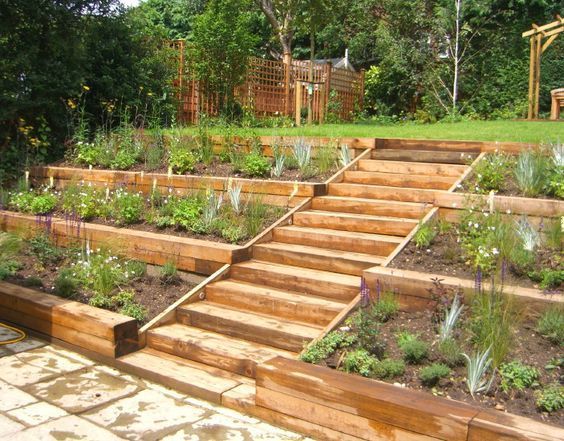
Tiered gardens, also known as raised bed gardens or stepped gardens, are a visually striking and practical solution for maximizing space and creating a stunning landscape. By arranging plants in ascending or descending levels, these gardens transform ordinary outdoor spaces into eye-catching, vertical masterpieces. In this article, we'll delve into the art and science of tiered gardens, exploring their benefits, design elements, and maintenance tips.
Benefits of Tiered Gardens
Tiered gardens offer a myriad of advantages, making them an attractive choice for both residential and commercial properties. Here are some key benefits:
- Space Efficiency: Tiered gardens allow you to grow more plants in less space, making them ideal for small gardens, balconies, or rooftops.
- Accessibility: Stepped gardens provide easier access to plants, reducing the need for bending or kneeling, and making gardening more enjoyable for people with mobility issues.
- Drainage: The tiered structure promotes better drainage, preventing waterlogging and root rot, which can be detrimental to plant health.
- Visual Impact: Tiered gardens create a dramatic, three-dimensional effect, adding depth and interest to your landscape.
Design Elements of Tiered Gardens
Creating a successful tiered garden involves careful planning and consideration of various design elements.


Structure
The structure of your tiered garden can be made from a variety of materials, such as wood, stone, metal, or composite materials. Choose a material that complements your home's architecture and personal style. Ensure the structure is sturdy and can withstand the weight of the soil and plants.
Height and Width
Consider the height and width of each tier when planning your garden. Tiers that are too high can be difficult to reach, while tiers that are too wide may not allow enough light to reach the lower levels. A general rule of thumb is to keep tiers no higher than 4 feet and no wider than 6 feet.


Plant Selection
Select plants that thrive in the amount of sunlight each tier receives. Taller plants should be placed at the back or on higher tiers to avoid blocking light from reaching lower levels. Consider using a mix of plants with varying textures, colors, and heights to create visual interest.
Maintaining Tiered Gardens
While tiered gardens require some initial investment in time and materials, they are relatively low-maintenance once established. Here are some tips for keeping your tiered garden looking its best:
Soil Management
Use high-quality, well-draining soil in your tiers. Top up the soil as needed to maintain a consistent level in each tier. Regularly test and amend the soil to ensure it maintains the proper pH and nutrient levels.




Watering
Water your tiered garden thoroughly, ensuring that each tier receives an adequate amount of water. Consider installing a drip irrigation system to make watering easier and more efficient.
Pruning and Weeding
Regularly prune plants to maintain their shape and encourage bushiness. Remove weeds promptly to prevent them from competing with your plants for water and nutrients. Keep paths between tiers clear for easy access and to prevent weed spread.
Inspirational Tiered Garden Ideas
For inspiration, consider these tiered garden ideas:


- Formal Tiered Gardens: Create a formal, structured look with symmetrical tiers, neat hedges, and precision planting.
- Cascading Tiered Gardens: Design tiers that cascade down a slope, creating a natural, waterfall-like effect.
- Edible Tiered Gardens: Grow fruits, vegetables, and herbs in your tiered garden for a productive and delicious landscape.
Tiered gardens are a versatile and visually appealing way to maximize your outdoor space. By incorporating these gardens into your landscape, you'll create a stunning, functional, and enjoyable environment for both you and your plants.
Related Articles

Tiered Backyard Ideas: Maximize Space with Stunning Layered Designs
Transform Your Outdoor Space: Tiered Backyard Ideas Creating a multi-level backyard can add depth, dimension, and functionality to your outdoor space. Tiered...

Tiered Landscape Design: Create Stunning Layered Gardens
Elevate Your Outdoor Space: The Art of Tiered Landscape Design Tiered landscape design, also known as multi-level or stepped landscaping, is a sophisticated...

Small Garden Landscaping Ideas: Maximize Space with Stunning Designs
Transforming Small Spaces: A Comprehensive Guide to Landscaping a Small Garden Embracing a small garden doesn't mean you have to compromise on style or...

10 Stunning Small Backyard Landscape Design Ideas to Maximize Space
Maximizing the potential of a small backyard begins with smart landscape design ideas that focus on function and illusion. Instead of seeing limitations, view...

DIY Pond Ideas for Small Gardens: Maximize Your Space with Stunning Water Features
Transforming a small garden into a serene oasis doesn't require a grand scale. With a little creativity and these DIY pond ideas, you can create a captivating...

Front Tiered Garden: Maximize Space & Style with Layered Landscaping
Transforming Your Outdoor Space: The Allure of Front Tiered Gardens In the realm of landscape design, front tiered gardens have emerged as a captivating trend...