Tiered Garden Landscape: 10 Stunning Designs for Small Spaces
Tiered garden landscapes, also known as multi-level or stepped gardens, are a captivating and functional way to transform sloping or uneven terrain into a visually stunning and practical outdoor space. By creating distinct levels or 'tiers', these landscapes offer numerous benefits, from improved drainage and accessibility to enhanced aesthetics and increased planting opportunities. Let's delve into the world of tiered garden landscapes, exploring their advantages, design elements, and how to create your own.
Advantages of Tiered Garden Landscapes
Tiered garden landscapes offer a myriad of benefits, making them an attractive option for homeowners and garden enthusiasts alike.
- Drainage and Water Management: By creating distinct levels, water can flow more efficiently through the garden, reducing the risk of erosion and waterlogging.
- Accessibility: Tiered gardens make it easier to navigate sloping or uneven terrain, especially for those with mobility issues or young children.
- Planting Opportunities: Each tier provides a new canvas for planting, allowing you to create diverse and interesting garden designs.
- Visual Interest: Tiered gardens add depth and dimension to your outdoor space, creating a striking and inviting landscape.
- Space Utilization: By utilizing vertical space, tiered gardens can make the most of small or awkwardly shaped gardens.
Design Elements of Tiered Garden Landscapes
When designing a tiered garden, consider the following elements to create a cohesive and functional landscape.


Retaining Walls
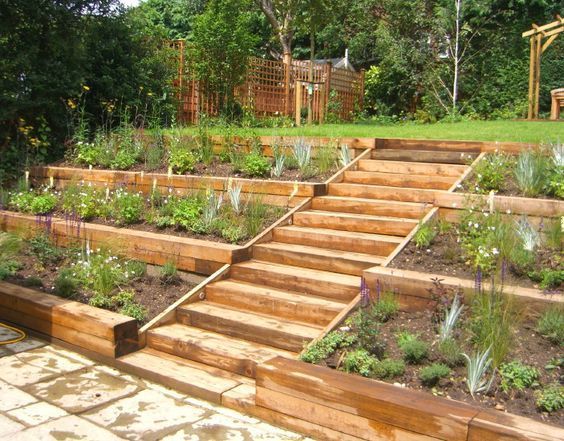
Retaining walls are the backbone of tiered garden landscapes, providing structural support and defining each tier. They can be constructed from a variety of materials, including timber, stone, brick, or concrete, and can be designed to complement the overall aesthetic of your garden.
Stairs and Pathways
Stairs and pathways connect each tier, allowing you to move seamlessly through your garden. Consider using materials that complement your retaining walls and create a cohesive look throughout the space. Additionally, ensure that stairs are safe and accessible for all users.


Planting Schemes
Each tier offers a new opportunity for planting, allowing you to create diverse and interesting garden designs. Consider the height, spread, and growth habits of plants when selecting species for your tiers. Additionally, think about how plants will look from different angles and perspectives throughout the garden.
Creating Your Own Tiered Garden Landscape
Creating a tiered garden landscape involves careful planning and consideration. Here's a step-by-step guide to help you get started.
Assess Your Site
Begin by assessing your site's slope, size, and existing features. Consider the amount of sunlight each area receives and the direction of prevailing winds, as these factors will impact your planting choices.


Design Your Tiers
Using graph paper or garden design software, sketch out your tiered garden design. Consider the height and width of each tier, as well as the placement of stairs, pathways, and planting areas. Ensure that your design is functional and accessible, with clear connections between each tier.
Choose Your Materials
Select materials for your retaining walls, stairs, and pathways that are durable, functional, and aesthetically pleasing. Consider the overall look and feel of your garden, as well as the maintenance requirements of each material.
Install Retaining Walls
Install your retaining walls according to the manufacturer's instructions or consult with a professional if necessary. Ensure that walls are properly reinforced and backfilled to provide adequate support and stability.




Create Stairs and Pathways
Construct stairs and pathways using your chosen materials, ensuring that they are safe, accessible, and visually appealing. Consider incorporating built-in seating or lighting features to enhance the functionality and aesthetics of your garden.
Plant Your Garden
Once your hardscaping is complete, it's time to plant your garden. Select plants that are well-suited to the conditions of each tier and that complement your overall garden design. Consider using a mix of evergreen and deciduous plants to provide year-round interest and color.
Maintaining Your Tiered Garden Landscape
Maintaining a tiered garden landscape requires regular upkeep to ensure that it remains functional, safe, and visually appealing. Inspect retaining walls and stairs for signs of wear or damage, and address any issues promptly to prevent further deterioration. Keep pathways and stairs clear of debris and maintain a regular watering and pruning schedule to keep plants healthy and well-groomed.
Tiered garden landscapes offer a wealth of benefits, from improved drainage and accessibility to enhanced aesthetics and increased planting opportunities. By carefully planning and designing your tiered garden, you can create a captivating and functional outdoor space that will be enjoyed for years to come. So, why wait? Start planning your tiered garden landscape today and transform your sloping or uneven terrain into a stunning and practical oasis.
Related Articles

Small Garden Landscaping Ideas: Maximize Space with Stunning Designs
Transforming Small Spaces: A Comprehensive Guide to Landscaping a Small Garden Embracing a small garden doesn't mean you have to compromise on style or...

25+ Tiered Planter DIY Ideas: Stacked Garden Plants in Small Spaces
Create Your Own Tiered Planter: A DIY Guide Tiered planters are a fantastic way to add vertical interest to your garden or indoor space. They're perfect for...

20 Stunning Mid Terrace Garden Ideas for Small Outdoor Spaces
Transforming Limited Spaces: Mid Terrace House Garden Ideas Embracing the charm of mid terrace houses often means working with compact outdoor spaces. However...

Tiered Flower Pot Ideas: 15 Stunning Vertical Garden Designs
Elevate Your Gardening Game: Tiered Flower Pot Ideas In the world of gardening, vertical space is often the limiting factor. However, with tiered flower pot...

Small Kitchen Backsplash Ideas Pictures: 100+ Stunning Designs To Inspire Your Renovation
Transforming a small kitchen often feels like a design tightrope act, balancing style, functionality, and limited square footage. Yet, one of the most powerful...

Small Pergola Next to House: 10 Stunning Designs for Maximizing Space
Elevate Your Outdoor Space: The Charm of a Small Pergola Next to Your House Nestling a small pergola next to your house is a delightful way to enhance your...