Indoor Succulent Garden Care: The Ultimate Guide to Thriving Greenery
Creating a succulent garden indoor setup is one of the most rewarding ways to bring life and texture into your home. Unlike high-maintenance houseplants, these drought-tolerant beauties thrive on neglect when you understand their core needs. This guide moves beyond basic tips to provide a deep dive into creating a thriving indoor ecosystem that looks stunning and lasts for years.
Understanding the Succulent Mindset
To master succulent garden indoor care, you must first think like a desert plant. Originating from arid climates, these plants store water in their leaves, stems, or roots, making them highly susceptible to root rot if kept in damp soil. Indoor environments, particularly during winter, often lack the intense sunlight these plants crave, which means you must adjust your watering schedule significantly. Forget the daily sprinkle; success lies in watering deeply but infrequently, allowing the soil to dry out completely between drinks.
The Critical Role of Light
Light is the absolute cornerstone of any healthy succulent garden indoor arrangement. Insufficient light leads to "etiolation," a process where the plant stretches unnaturally tall and weak, losing its compact charm. South-facing windows are ideal, providing bright, indirect light for the majority of the day. If natural light is limited, you will need to supplement with grow lights. Position LED grow lights roughly 6 to 12 inches above the garden to simulate the specific spectrum these plants need for photosynthesis without causing heat stress.


Soil and Drainage: The Foundation of Health
Standard potting soil holds too much moisture for succulents and is a primary cause of failure. You need to create a gritty, aerated medium that mimics the rocky soils of their native habitat. Avoid dense, fine particles; instead, opt for a mix specifically labeled for cacti and succulents. You can also create your own blend by combining potting soil with inorganic materials like perlite, pumice, or coarse sand. The goal is to ensure water flows through the pot almost instantly, leaving no stagnant puddle around the roots.
Container Selection and Airflow
Choosing the right pot is just as important as the soil. Terracotta and unglazed clay pots are excellent choices for an indoor succulent garden because they are porous, allowing the soil to breathe and dry out evenly.Ensure the container has at least one drainage hole; this is non-negotiable. Without it, excess water pools at the bottom, guaranteeing root rot. If you love a decorative pot without a hole, consider placing your plastic nursery pot inside it, removing it for watering to prevent the roots from sitting in excess liquid.


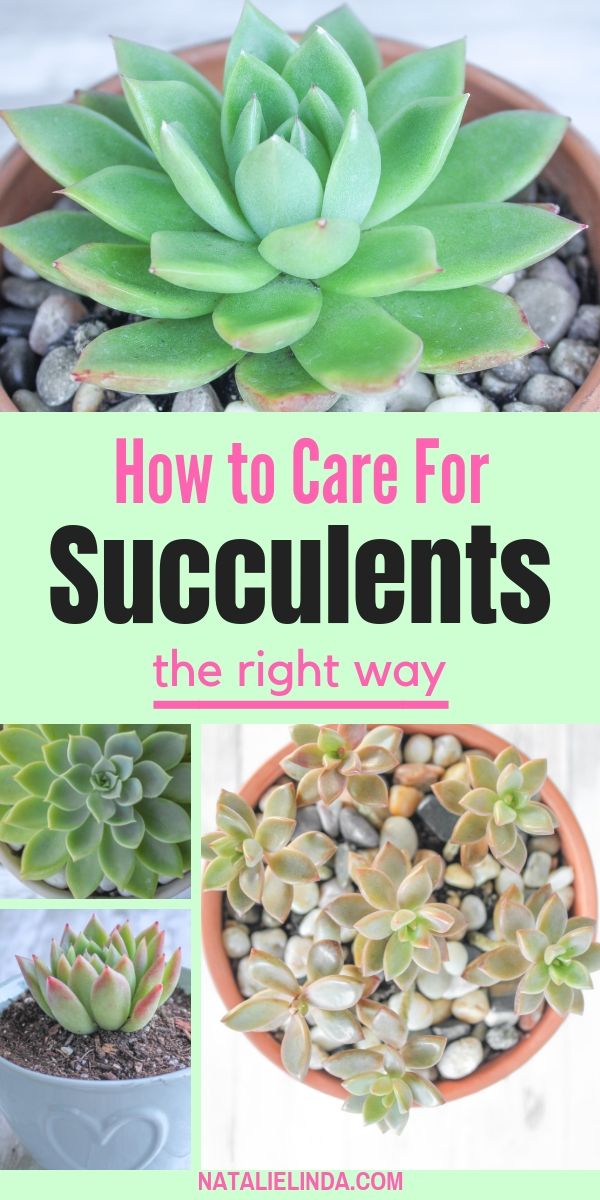
When arranging your succulents, think about their growth habits. Place taller specimens in the center or back, trailing varieties near the edges, and smaller rosettes in the foreground. This creates visual interest and ensures every plant receives adequate airflow. Good air circulation around the leaves prevents fungal diseases and helps the soil dry more quickly after watering.
Watering Wisdom and Seasonal Shifts
Mastering the watering schedule for a succulent garden indoor environment requires observation rather than a rigid calendar. The "soak and dry" method is the gold standard: water slowly and thoroughly until it runs out the drainage hole, then stop. Wait until the soil is completely dry—often two to three weeks—before repeating. You can check moisture by inserting a wooden skewer into the soil; if it comes out clean and dry, it’s time to water. Yellowing, translucent leaves are a sure sign you are overwatering.
Navigating Winter Dormancy
Most succulents enter a period of dormancy during the cooler, darker months of late fall and winter. During this time, their growth slows dramatically, and their water needs decrease significantly. Continuing to water them at the same frequency as in summer is a surefire way to kill them with kindness. Move them to a cooler room with bright light and resist the urge to water unless the soil is bone dry and the plant shows signs of shriveling. Resume normal care in early spring when you see new growth emerging.


Fertilizing your succulent garden indoor setup can encourage robust growth and vibrant colors, but it must be done cautiously. These plants are not heavy feeders, and too much fertilizer can lead to weak, leggy growth or salt buildup in the soil. Use a balanced, water-soluble fertilizer diluted to half or quarter strength. Apply it only during the active growing season—spring and summer—and avoid feeding them in the dormant months. This gentle approach provides a nutrient boost without overwhelming the plants.


Related Articles

Vibrant Indoor Succulent Garden for Sale - Easy Care Greenery Décor
Transform your living space with the serene beauty of an indoor succulent garden, a low-maintenance investment that brings the tranquility of nature directly...

Indoor Succulents for Beginners: The Easy Care Guide to Thriving Greenery
Bringing the serenity of nature into your home starts with the right choice of plant, and for many newcomers, indoor succulents for beginners represent the...

Thriving Caladiums Indoors: The Ultimate Guide to Indoor Care
Do Caladiums Thrive Indoors? A Comprehensive Guide Caladiums, known for their vibrant, heart-shaped leaves, are a popular choice for both outdoor gardens and...

Maximize Small Spaces: The Ultimate Guide to Indoor Vertical Garden Wall Greenery
Transform Your Space: The Magic of Indoor Vertical Garden Walls In the pursuit of greener, healthier, and more aesthetically pleasing indoor spaces, the indoor...

Mastering Indoor Plant Light Settings: The Ultimate Guide to Thriving Greenery
Mastering indoor plant light settings is the single most critical factor in determining whether your foliage thrives or merely survives. Unlike the dynamic...
DIY Succulent Garden Kit: The Ultimate Guide to Crafting Your Own Thriving Mini Oasis
Creating a thriving indoor oasis is simpler than ever with a DIY succulent garden kit. This complete package delivers everything needed to cultivate a...