The Ultimate Succulent Garden Guide: Thriving, Low-Maintenance Designs
Creating a succulent garden is an excellent way to introduce low-maintenance beauty into your living space. These drought-tolerant plants store water in their fleshy leaves, stems, or roots, making them remarkably resilient and ideal for both novice gardeners and seasoned enthusiasts. The goal of this guide is to move beyond basic care and help you design a thriving, aesthetically pleasing arrangement that suits your environment and personal taste.
Planning Your Succulent Garden Design
The first step in building a successful display is visualization. Before placing a single plant in soil, consider the final look you want to achieve. Are you aiming for a minimalist Zen courtyard or a vibrant, textural landscape? Planning the layout ensures that each plant has enough room to grow and that the overall composition is balanced.
When planning, think about verticality as well as horizontal spread. Many succulents grow upwards or produce offsets that spill over the edges of their containers. By varying heights and utilizing tiered stands or wall-mounted planters, you can create depth and intrigue. This approach transforms a simple collection of pots into a curated piece of living art.


Selecting the Right Plants and Varieties
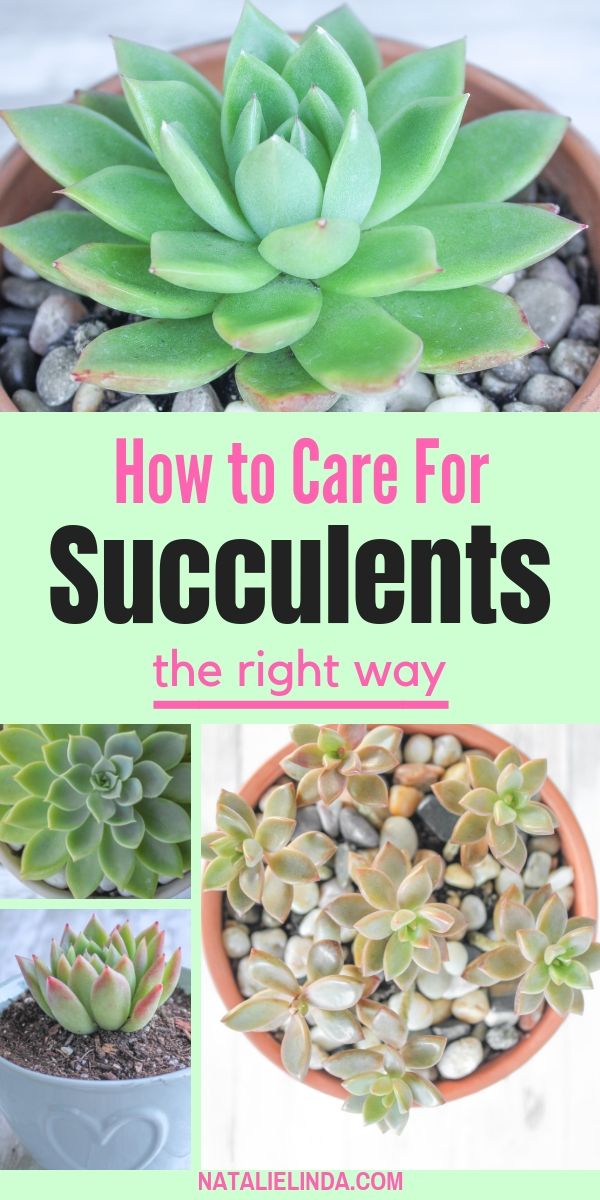
Not all succulents are created equal, and choosing the right species is crucial for long-term success. You must match the plants to your specific climate and light conditions. For example, *Echeveria* and *Sempervivum* prefer full sun and dry air, while *Peperomia* or *Snake Plant* (*Sansevieria*) can tolerate lower light levels indoors.
- Sun Exposure: Observe the spot where you plan to place your garden. South-facing windows offer the most light, while northern exposures are much dimmer.
- Climate Compatibility: If you are planting outdoors, select varieties native to your hardiness zone to survive temperature fluctuations.
- Aesthetic Cohesion: Stick to a color palette. Pairing blue-green *Echeveria* with purple *Aeonium* creates harmony, while a single pop of color from a flowering *Kalanchoe* can act as a focal point.
Understanding Soil and Drainage Requirements
Perhaps the most common mistake in succulent care is using standard potting soil. These plants require a fast-draining medium that mimics the rocky, arid soils of their natural habitat. Heavy, moisture-retentive soil leads to root rot, which is often fatal.


To create the ideal mix, you need to prioritize inorganic components. A standard recipe involves combining potting soil with coarse sand or pumice. The exact ratio often depends on humidity; in general, a blend of one part soil to one part inorganic material is a safe starting point. This ensures that water passes through quickly, drying out between waterings.
Watering Strategies for Healthy Growth
Watering a succulent garden is an exercise in restraint. The "soak and dry" method is the gold standard for this type of landscaping. You should water the soil thoroughly until water runs out of the drainage holes, then allow the soil to dry out completely before watering again.
Never let the plants sit in a tray of water. Instead, use a method that targets the soil directly. Insert a wooden skewer or your finger into the soil before watering; if it comes out damp, wait a few days. During the winter dormancy period, most succulents require little to no water, and overwatering at this time is the leading cause of plant death.


Light, Temperature, and Seasonal Care
Light is the energy source that drives the photosynthesis in these plants, and it directly impacts their shape and color. Insufficient light causes "etiolation," where the plant stretches thin and pale toward the light source. To maintain compact, vibrant growth, ensure your garden receives at least four to six hours of direct sunlight daily.
Temperature stability is equally important. While many succulents can tolerate heat, they are often sensitive to frost. If you live in a region with freezing temperatures, you will need to move potted arrangements indoors before the first cold snap. During the transition, avoid placing plants near heating vents, as the dry air can cause stress.
Advanced Techniques: Propagation and Arrangement
One of the most rewarding aspects of a succulent garden is the ability to propagate new plants from cuttings or offsets. *Echeveria* leaves can be gently twisted off and left to callous over for a few days before being placed on dry soil. Soon, new roots and a tiny rosette will emerge, effectively doubling your collection at no cost.




Mastering the art of arrangement elevates the garden from a collection of pots to a cohesive design. Use the thriller, filler, spiller method: select one "thriller" with architectural height (like an Agave), surround it with "fillers" (like Dwarf Aloes), and allow soft "spillers" (like String of Pearls) to cascade over the edges. This creates visual interest and texture that mimics a natural landscape.
Related Articles
DIY Succulent Garden Kit: The Ultimate Guide to Crafting Your Own Thriving Mini Oasis
Creating a thriving indoor oasis is simpler than ever with a DIY succulent garden kit. This complete package delivers everything needed to cultivate a...

The Ultimate Guide to Garden Perimeter Fencing: Secure & Stunning Designs
Enhance Your Outdoor Space: The Ultimate Guide to Garden Perimeter Fencing Creating a well-defined boundary around your garden not only enhances its aesthetic...

The Ultimate Guide to Thriving Lavender: Expert Tips on How to Look After Lavender in the Garden
Cultivating Lavender: A Comprehensive Guide for Your Garden Lavender, with its fragrant blooms and silvery foliage, is a beloved addition to many gardens. This...

Grow Tomato and Cucumber Like a Pro: The Ultimate Guide to a Thriving Garden Harvest
Growing tomatoes and cucumbers together represents one of the most rewarding endeavors for the home gardener. These two warm-season favorites complement each...

The Ultimate Perennial Herb Garden Layout for a Thriving, Low-Maintenance Oasis
Designing a Thriving Perennial Herb Garden: A Comprehensive Layout Guide Creating a perennial herb garden is an exciting venture that combines the joy of...

Pre Planned Perennial Sun Garden: The Ultimate Low-Maintenance Guide
Designing a Pre-Planned Perennial Sun Garden: A Comprehensive Guide Creating a vibrant, low-maintenance sun garden is a rewarding endeavor. By strategically...