Small Hallway Color Ideas: 10 Stunning Schemes to Maximize Space & Light
Transforming a small hallway into a welcoming and visually appealing space can be a challenge, but with the right color choices, it can become a stunning and inviting area. In this guide, we'll explore some small hallway color ideas that can make a significant impact, along with expert tips to help you create a cohesive and stylish look.
Understanding Color Psychology
Before delving into specific color ideas, it's essential to understand how colors can influence our moods and perceptions. This understanding can help you choose the perfect hues for your hallway. For instance, cool colors like blue and green can create a calming atmosphere, while warm colors such as red and orange can evoke energy and excitement. Neutral colors, on the other hand, provide a solid foundation and can help to create a sense of harmony and balance.
Light and Space: The Importance of Color in Small Hallways
In small hallways, color can play a crucial role in creating the illusion of space and light. Lighter colors reflect more light, making your hallway appear brighter and more spacious. On the other hand, darker colors can create a cozy and intimate atmosphere, perfect for narrow hallways where you want to emphasize width rather than height.


Light and Airy: Opting for Light Colors
If your hallway is lacking in natural light, consider using light and airy colors to create a brighter and more inviting space. Soft whites, pastels, and light grays can help to bounce light around the room, making it feel more spacious and welcoming. To add depth and interest, you can incorporate darker accents through accessories, artwork, or furniture.
- Recommended Light Colors: Soft White, Alabaster, Pastel Blue, Mint Green, Light Gray
Dark and Dramatic: Embracing Dark Colors
For narrow hallways, using dark colors on the longer walls can create the illusion of width, drawing the eye along the length of the space. To prevent the room from feeling too dark or closed-in, balance the dark walls with lighter colors on the shorter walls or ceiling. Additionally, incorporating reflective surfaces and strategic lighting can help to maximize the available light.


- Recommended Dark Colors: Deep Blue, Charcoal Gray, Navy, Black
Color Schemes for Small Hallways
When selecting a color scheme for your hallway, consider using a combination of colors that complement each other and create a harmonious look. Monochromatic schemes, analogous schemes, and complementary schemes are all excellent choices for small hallways.
Monochromatic Schemes
Monochromatic color schemes use different shades, tints, and tones of a single color, creating a cohesive and sophisticated look. To add interest and depth, incorporate textures and patterns through accessories, flooring, and wall treatments.
Analogous Schemes
Analogous color schemes use colors that are adjacent to each other on the color wheel, creating a harmonious and soothing effect. For a small hallway, consider using a lighter color as the dominant shade and incorporating darker shades through accessories and accent pieces.


Complementary Schemes
Complementary color schemes use colors that are directly opposite each other on the color wheel, creating a bold and dramatic look. To prevent the space from feeling too overwhelming, use one color as the dominant shade and incorporate the complementary color through accent pieces and accessories.
Colorful Accents and Accessories
In a small hallway, incorporating colorful accents and accessories can add personality and visual interest without overwhelming the space. Consider using colorful artwork, rugs, and decorative objects to create a focal point and add a pop of color to an otherwise neutral space.
Experiment with Color: Test Before You Commit
Before committing to a color, it's essential to test it out in your hallway to see how it looks in different lighting conditions. Paint a small area or use removable wallpaper to see how the color works with your existing decor and lighting. This will help you make an informed decision and avoid any costly mistakes.


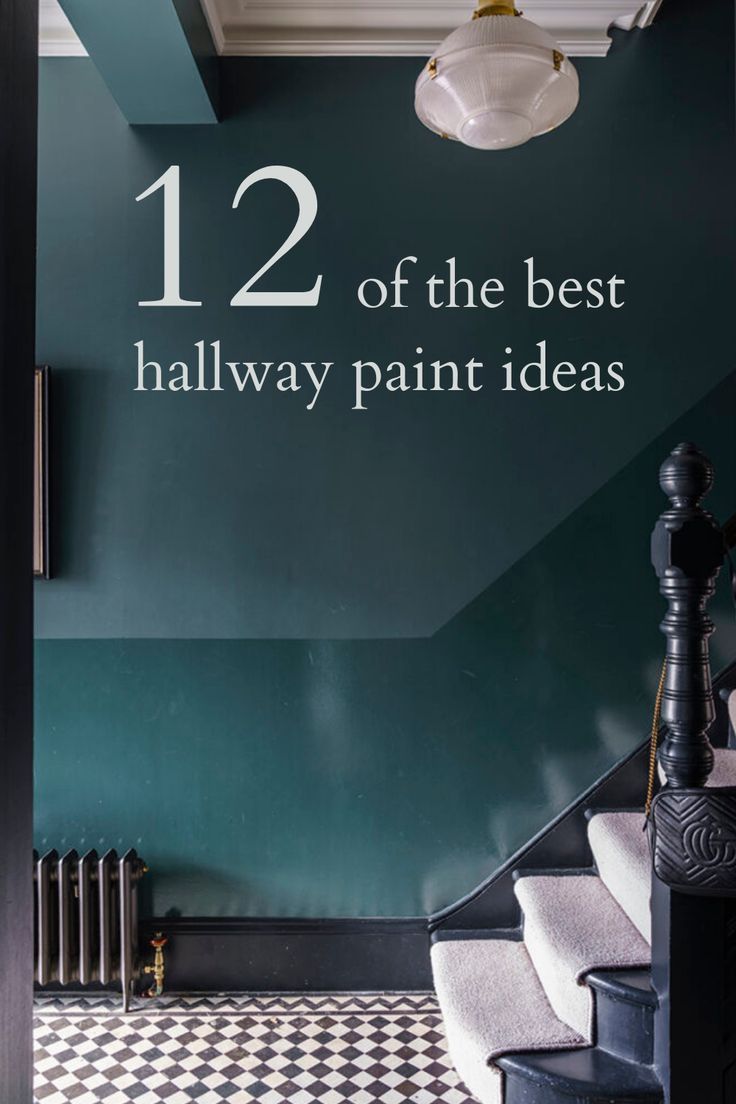


In conclusion, choosing the right color for your small hallway can transform it into a welcoming and visually appealing space. By understanding color psychology, considering the impact of light and space, and experimenting with different color schemes, you can create a stunning and cohesive look that reflects your personal style. Don't be afraid to get creative and have fun with color – your hallway is the perfect canvas for self-expression!
Related Articles

Small Apartment Color Ideas: Maximize Space with Stunning Schemes
Maximizing the potential of a small apartment starts with a deliberate approach to color. The right palette can create an illusion of expanded space, enhance...

Small Kitchen Color Design Ideas: 50+ Stylish Schemes to Maximize Space
Maximizing the potential of a compact culinary space starts with the careful selection of color. In a small kitchen, the right palette can dissolve spatial...

Small Bedroom Paint Color Ideas: 50+ Stunning Designs to Maximize Space
Transforming Small Bedrooms with Strategic Paint Colors In the quest for a cozy and inviting bedroom, paint color plays a pivotal role. For small bedrooms, the...

Small Hallway Photo Wall Ideas: Maximize Space with Stunning Layouts
Transforming Small Hallways: Creative Photo Wall Ideas First impressions matter, and your hallway is often the first space guests encounter. If you're working...

Small Back Porch Ideas: 10 Stunning Designs to Maximize Space
Maximizing a small back porch is less about grand renovations and more about intelligent design. With thoughtful planning, this often-underused space can...

Small Square Hallway Decor Ideas: Maximize Style in Minimal Space
Maximize Your Small Square Hallway: Creative Decor Ideas First impressions matter, and a well-decorated hallway can set the tone for the rest of your home...