Maximize Small Corner Bath Sizes: Smart Layout Ideas
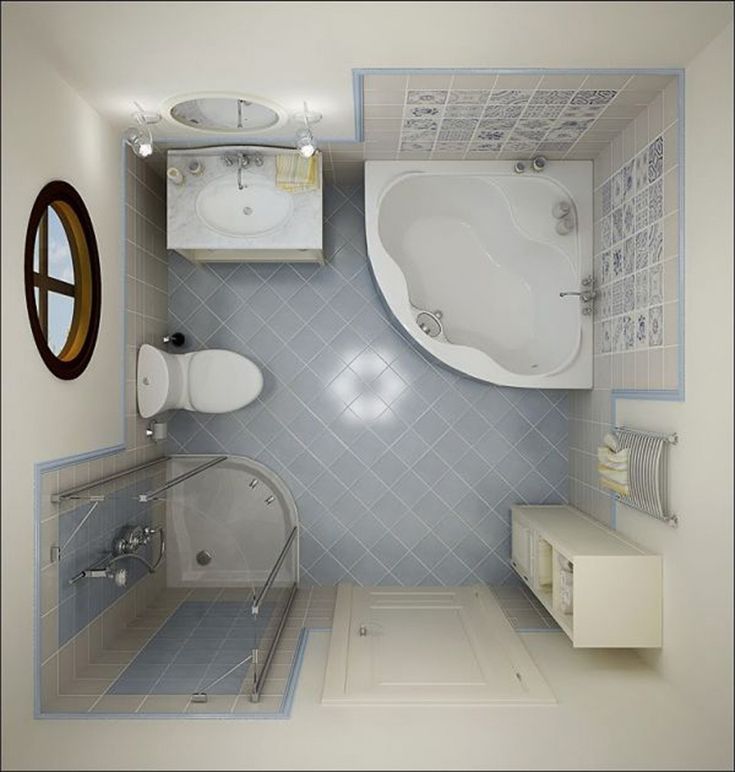
Maximizing functionality in a compact space often feels impossible, yet the small corner bath sizes category proves that even the tightest quarters can deliver immense value. These specialized units are engineered to occupy the often-underutilized angle of a room, transforming a neglected dead zone into a highly efficient wet room. For homeowners navigating spatial constraints, understanding the precise dimensions, design philosophies, and installation requirements is the first step toward achieving a luxurious retreat without sacrificing precious square footage.
The Strategic Advantage of Corner Placement
The primary appeal of small corner bath sizes lies in their geometric efficiency. By defaulting to the 90-degree angle where two walls meet, these fixtures eliminate the need for the rectangular footprint required by standard linear baths. This design strategy effectively preserves walkway clearance, ensuring the bathroom remains navigable while still accommodating a full soaking experience. The inherent layout naturally creates a sense of enclosure, making the shower or tub feel like a private, dedicated space even within an open-plan bathroom.
Standard Dimensions and Configurations
While "small" is relative, the industry has standardized specific measurements to cater to compact areas. Most corner baths intended for small spaces range from 42 inches to 60 inches in width, allowing them to nestle neatly into the corner without protruding awkwardly into the room. These units are categorized primarily by their configuration, which dictates the internal use of space.


| Type | Description | Ideal For |
|---|---|---|
| Corner Shower Pan | A one-piece molded base that forms the shower floor and one corner wall. | Quick installation and water-tight reliability in wet rooms. |
| Pivot Door Tub | A small tub on a platform with a door that hinges in the corner. | Bath enthusiasts who require tub access but have minimal floor space. |
| Quadrant Bath | A curved-front bath that fits into the corner, often with a single-direction faucet. | Adding a classic, elegant touch to a Victorian or Edwardian-style bathroom. |
Design and Material Considerations
The choice of material significantly impacts the perceived size and visual weight of the installation. For small corner bath sizes, acrylic and fiberglass are frequently preferred over traditional cast iron. These lightweight materials are easier to handle during installation and create a seamless, one-piece appearance that minimizes visual clutter. Furthermore, smooth, non-porous surfaces resist moisture and are effortless to clean, ensuring the bath maintains a pristine look in high-humidity environments.
Color selection is another critical factor in optimizing space. While bold colors have their place, opting for a crisp white or a light, neutral tone helps reflect light and makes the bathroom feel airier. When the fixtures disappear into the background, the room feels larger. You can introduce personality through tile work on the floor or the surrounding walls rather than relying on the bath itself to serve as the sole statement piece.


Optimizing the Wet Room Layout
Installation logistics are paramount when dealing with small corner bath sizes. Because the unit occupies a fixed angle, the positioning of the waste pipe and the water supply lines must be precise. Modern designs often allow for flexible waste outlet configurations, but verifying the existing plumbing layout before purchase is essential to avoid costly retrofits. A professional plumber can assess whether the rough-in dimensions align with your chosen fixture, saving you from potential headaches down the line.
To enhance the sense of openness, integrate smart storage solutions that work with the bath's shape. Floating shelves above the tub or a slender cabinet along the adjacent wall can hold essentials without encroaching on the floor space. Keeping the visual field clear around the small corner bath sizes ensures that the bathroom feels uncluttered and serene, turning a functional necessity into a calming architectural feature.


Related Articles

Maximize Small Galley Kitchen Design: Smart Layout Ideas & Storage Solutions
Designing a small galley kitchen requires a blend of precision and creativity, turning a narrow corridor into a highly functional culinary hub. The goal is to...

Maximize Small L-Shaped Kitchens: Smart Layout Ideas
Maximizing Space: Designing Very Small L-Shaped Kitchens In the realm of modern home design, space is often at a premium. This is particularly true in the...

Maximize Your Space: Smart Small NYC Apartment Layout Ideas
Living in a small NYC apartment doesn't mean you have to compromise on functionality or style. With clever design and layout strategies, you can transform your...

Small Shed Workshop Layout Ideas: Maximize Space & Efficiency
Transforming a small shed into a functional workshop can be a rewarding project, allowing you to have a dedicated space for your DIY projects, woodworking, or...

Small Playroom Setup: Maximize Space with Smart Design Ideas
Creating a Cozy and Functional Small Playroom Setup Transforming a small space into a delightful playroom for your little ones can be a rewarding challenge...

Maximize Space: Small Japanese Bathroom Layout Ideas
Maximizing Minimalism: Small Japanese Bathroom Layout In the heart of Japan, where space is a precious commodity, lies a testament to ingenuity and efficiency...