Sloped Backyard Ideas: 10 Stunning Designs to Maximize Your Space
Transforming a sloped backyard from a source of frustration into a functional and beautiful extension of your living space is a rewarding project. Instead of viewing the incline as a problem, consider it an opportunity to create dynamic, multi-level gardens that maximize both utility and aesthetic appeal. Thoughtful landscape architecture can turn challenging terrain into the most captivating feature on your property, offering unique perspectives and secluded nooks that a flat yard simply cannot provide.
Evaluating Your Terrain and Setting Goals
The first step in any successful sloped backyard renovation is a careful analysis of the site. You need to understand the specific conditions of the incline before selecting plants or hardscape materials. Observe how water moves across the property during a heavy rain, as erosion control will be a primary concern. Additionally, assess the amount of daily sunlight different sections receive, as this will dictate your plant palette. Defining the primary purpose of the space—whether it is for entertaining, quiet reflection, or active play—will guide the layout and ensure the final design aligns with your lifestyle.
Structural Solutions: Retaining Walls and Hardscaping
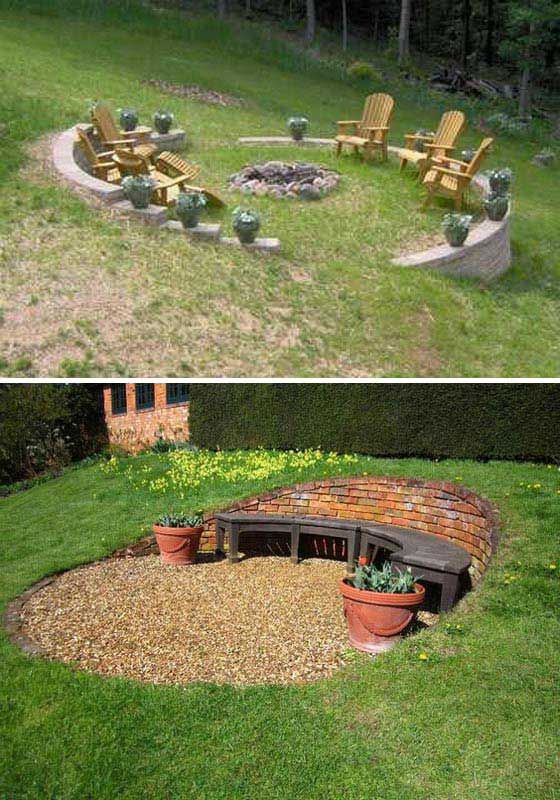
For significant slopes, structural elements are often necessary to create stable, usable areas. Retaining walls are the backbone of a terraced yard, holding back soil and creating level platforms for various activities. These walls can be constructed from interlocking stones, modular concrete blocks, or treated wood, each offering a distinct visual texture. Beyond walls, other hardscaping features like stone steps, wide staircases, and patios mitigate the risk of slipping and make navigation effortless. Combining these elements with durable materials ensures the longevity of the design while adding architectural interest.


Choosing Materials for Stability and Style
The material you select for your retaining walls and pathways impacts both the durability and the appearance of the yard. Natural stone offers a rustic, timeless charm but requires professional installation to ensure proper drainage and structural integrity. Segmental concrete blocks provide a more modern look and are easier to install as DIY projects. For a softer aesthetic, consider using large boulders and gravel, which allow water to permeate easily and reduce runoff. The key is to match the material to the scale of the slope; massive stones suit steep grades, while smaller pavers work better for gentle inclines.
Planting Strategies for Slopes
Planting a sloped backyard requires a strategic approach to prevent soil from washing away while maintaining visual appeal. Groundcovers are excellent choices for stabilizing the soil with their root systems and spreading habits. Plants like creeping thyme, sedum, or Vinca minor create a living mulch that keeps the earth in place year-round. For more dramatic effect, consider layering plantings, placing taller shrubs and ornamental grasses at the back of the slope, with medium perennials in the middle, and cascading flowers like ivy or lobelia at the forefront.


Utilizing Terraced Gardening
Terracing transforms a vertical challenge into a series of horizontal opportunities. By creating level beds, you eliminate difficult mowing conditions and make gardening accessible. These flat surfaces are perfect for installing raised vegetable beds or herb gardens, turning a liability into a productive kitchen garden. Each terrace can have its own theme or plant palette, allowing for a diverse botanical collection. To ensure these elevated gardens retain moisture and nutrients, consider installing discreet edging or low walls to contain the soil.
Water Features and Creative Drainage
Rather than fighting the natural flow of water, you can harness it to add movement and tranquility to the landscape. A waterfall or stream lined with smooth stones follows the contour of the land, creating a serene focal point that masks the slope. These features also help to slow down runoff, protecting the soil beneath. Dry creek beds are an equally effective solution; they channel excess water during storms while providing visual interest with their stone beds when the water is still. This approach combines form and function, turning a drainage issue into a design asset.
Lighting and Final Touches
Once the structure and planting are complete, strategic lighting elevates the space from beautiful to extraordinary. Path lights along staircases ensure safety at night, while uplighting on retaining walls or specimen trees adds drama and depth. Low-voltage landscape lighting can highlight specific plants or artwork, drawing the eye through the various levels of the yard. Finally, adding comfortable outdoor furniture to a leveled patio or deck encourages you to spend time in the space, enjoying the view of the meticulously crafted landscape you have achieved.




Related Articles
Maximize Your Sloped Yard: 10 Stunning Ideas for a Steep Backyard
Transforming a steeply sloped backyard into a functional and visually appealing space can be a challenging yet rewarding task. With the right approach, you can...

Maximize Your Space: 25+ Stunning Sloped Vegetable Garden Design Ideas
Maximizing Harvest: The Art of Sloped Vegetable Garden Design Transforming a sloped yard into a productive vegetable garden might seem challenging, but with...
Maximize Your Space: Creative Ideas for What to Do with a Large Sloped Backyard
Transforming a large, sloped backyard into a functional and beautiful space can be an exciting challenge. With the right approach, you can create a stunning...

Small Back Porch Ideas: 10 Stunning Designs to Maximize Space
Maximizing a small back porch is less about grand renovations and more about intelligent design. With thoughtful planning, this often-underused space can...

Stunning Condo Patio Decor Ideas to Maximize Your Space
Transform Your Condo Patio into a Cozy Oasis Embracing the urban lifestyle doesn't mean you have to sacrifice outdoor living. With a little creativity and the...

Maximize Your Mane: Stunning Small Salon Space Decor Ideas
Maximizing Style in Limited Square Footage: Small Salon Space Decor Running a salon in a small space doesn't mean you have to compromise on style or ambiance...