High School Science Project Ideas: Easy, Impressive STEM Experiments
Inspiring Science Project Ideas for High School Students
Embarking on a science project is an exciting journey that combines curiosity, creativity, and critical thinking. If you're a high school student looking for engaging and educational project ideas, you've come to the right place. This article explores a variety of science project ideas that are both fun and intellectually stimulating.
Understanding the Scientific Method
Before diving into project ideas, it's essential to understand the scientific method. This structured approach to problem-solving involves making observations, asking questions, forming hypotheses, conducting experiments, and analyzing data. Familiarizing yourself with this process will help you design and execute successful science projects.
Science Project Ideas Across Different Sciences
Biology
- Plant Growth Under Different Light Conditions: Investigate how different light wavelengths (e.g., red, blue, green) affect plant growth by designing a controlled experiment using LED grow lights.
- Microplastics in Our Waterways: Collect water samples from local rivers, lakes, or streams, and analyze them for microplastics using a microscope. Calculate the concentration of microplastics and raise awareness about their impact on aquatic ecosystems.
Chemistry
- Homemade Lava Lamp: Create a mesmerizing lava lamp using simple household ingredients like vegetable oil, water, food coloring, and Alka-Seltzer tablets. This project demonstrates the principles of immiscible liquids and chemical reactions.
- Eco-friendly Detergent: Design and test your own eco-friendly laundry detergent using natural ingredients like baking soda, borax, and citrus peels. Compare its cleaning efficiency with commercial detergents.
Physics
- DIY Vortex Cannon: Build a vortex cannon using PVC pipe, a bicycle pump, and duct tape to demonstrate the principles of fluid dynamics and angular momentum. Launch safe, biodegradable projectiles and measure their trajectories.
- Solar Oven: Construct a solar oven using materials like cardboard, aluminum foil, and plastic wrap. Measure the oven's temperature and use it to cook a simple snack, like s'mores or nachos, to demonstrate the power of solar energy.
Tips for a Successful Science Project
To make the most of your science project experience, consider the following tips:


- Choose a topic you're genuinely interested in to keep yourself motivated throughout the project.
- Start early and allocate dedicated time each week to work on your project.
- Keep a lab notebook to document your observations, data, and reflections.
- Stay organized by creating a project timeline and breaking down tasks into manageable steps.
- Be open to revision and iteration; science is a process of trial and error.
Presenting Your Science Project
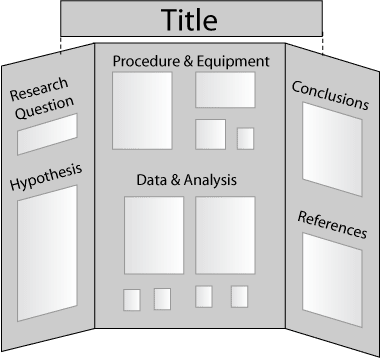
Once you've completed your project, it's time to share your findings with others. Consider presenting your work at a science fair, school assembly, or online platform. A well-structured presentation should include:
| Slide/Section | Content |
|---|---|
| Title Slide | Project title, your name, and date |
| Introduction | Background information, research question, and objectives |
| Methods | Materials, procedures, and data collection techniques |
| Results | Data analysis, graphs, and visualizations |
| Discussion | Interpretation of results, comparison with previous studies, and limitations |
| Conclusion | Summary of findings, implications, and future directions |
Embrace the science project journey as an opportunity to learn, grow, and make a difference. Happy exploring!




Related Articles
Creative Science Project Ideas for High School: Easy, Winning Experiments
In the realm of high school education, science projects are not just assignments; they are opportunities for students to explore, create, and understand...

Creative Science Invention Ideas for School Projects: Easy & Impressive STEM Projects
Unleashing Young Minds: Creative Science Invention Ideas for School Projects Embarking on a science project is an exciting journey that combines curiosity...

Creative Project Ideas for School Science: Easy & Engaging Experiments
Turning a standard curriculum requirement into a spark of innovation often begins with the simple question of what to investigate. For students navigating the...

Simple Science Scrapbook Cover Ideas for School Projects: Easy & Stunning Designs
Creating a science scrapbook for a school project transforms a standard assignment into a vibrant visual story. Instead of relying solely on a poster board, a...
Winning School Project Product Ideas: Easy & Impressive Concepts
Innovative Product Ideas for School Projects Embarking on a school project that involves creating a product can be an exciting and rewarding experience. It's...
Creative Science Project Ideas: Fun & Easy Experiments for Kids
Embarking on a creative science project can be an exhilarating journey that combines curiosity, discovery, and innovation. Whether you're a student, a teacher...