10 Best Raised Herb Planter Plans for a Thriving Kitchen Garden
Elevate your gardening game with raised herb planter plans! Not only do they add a touch of charm to your outdoor space, but they also offer numerous benefits for growing herbs. Let's delve into the world of raised herb planters, their advantages, and how to create your own planter plans.
Why Choose Raised Herb Planters?
Raised herb planters are a gardener's best friend, offering a multitude of advantages:
- Improved Soil Quality: Fill your planters with fresh, nutrient-rich soil, free from weeds and pests that may be present in your existing garden soil.
- Better Drainage: Raised planters allow for superior drainage, preventing waterlogging and root rot, which can be detrimental to your herbs.
- Easier Access: Planters allow you to tend to your herbs without having to bend or kneel, reducing strain on your back and knees.
- Pest Control: Raising your herbs off the ground helps deter pests like slugs and snails, keeping your plants healthier and happier.
- Space Efficiency: Perfect for small spaces or urban gardens, raised planters help maximize your growing area vertically.
Popular Raised Herb Planter Designs
Raised herb planters come in a variety of shapes, sizes, and materials. Here are some popular designs to inspire your planter plans:


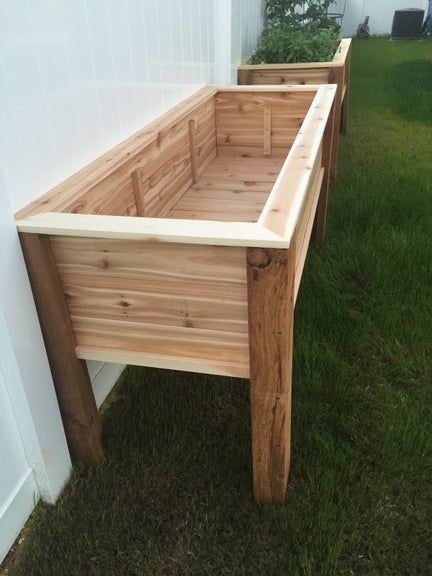
- Wooden Crate Planters: Repurpose old wooden crates or build your own using untreated wood. These planters are affordable, easy to construct, and offer excellent drainage.
- Metal Trough Planters: Stainless steel, galvanized, or copper troughs provide a modern, industrial look. They're durable, long-lasting, and can be found in various sizes.
- Stone or Brick Planters: Built from materials like concrete blocks, fieldstones, or brick, these planters offer a classic, timeless appeal. They can be designed to match the architecture of your home or garden.
- Self-Watering Planters: These planters feature a built-in reservoir that gradually releases water to your plants, ensuring consistent moisture and reducing the need for frequent watering.
Creating Your Own Raised Herb Planter Plans
Ready to create your own raised herb planter plans? Here's a simple step-by-step guide using untreated cedar wood, which is naturally resistant to rot and insects:
Materials Needed
- Cedar fence pickets or Cedar boards (dimensions will depend on your desired planter size)
- Galvanized screws or nails
- Stainless steel or galvanized hardware cloth (for bottom drainage)
- Weed barrier fabric
- Gravel
- Potting soil
- Herb seedlings or seeds
Steps to Build Your Planter
- Determine the size and shape of your planter, then cut your cedar boards to match.
- Assemble the sides of your planter using screws or nails, ensuring the corners are square and the seams are tight.
- Cut a piece of hardware cloth to fit the bottom of your planter, securing it in place with screws or nails. This will allow for drainage while keeping soil in.
- Line the bottom of your planter with a layer of weed barrier fabric to prevent soil from leaching out and weeds from growing up.
- Add a 2-3 inch layer of gravel on top of the weed barrier for additional drainage.
- Fill your planter with high-quality potting soil, leaving space for your herbs.
- Plant your herbs, ensuring they're spaced appropriately for their mature size. Water thoroughly after planting.
Congratulations! You've just created your own raised herb planter. With proper care, your herbs will thrive in their new home, and you'll enjoy fresh, homegrown herbs all season long.


Tips for Caring for Your Raised Herb Planters
To keep your raised herb planters in tip-top shape and your herbs healthy, follow these care tips:
- Watering: Raised planters dry out faster than in-ground beds. Water your herbs deeply once or twice a week, depending on weather conditions and your herbs' water needs.
- Fertilizing: Use a balanced, organic fertilizer every 4-6 weeks during the growing season to provide essential nutrients for your herbs.
- Mulching: Apply a 1-2 inch layer of organic mulch around your herbs to retain moisture, suppress weeds, and regulate soil temperature.
- Pruning: Regularly prune your herbs to encourage bushier growth and prevent flowering, which can deplete energy from the plant.
- Rotation: Rotate your planters periodically to ensure all sides of your herbs receive equal sunlight and prevent legginess.
With these raised herb planter plans and care tips, you're well on your way to cultivating a bountiful herb garden. Happy planting!


Related Articles
3 Tier Garden Bed Plans: Build Your Best Raised Garden Today
Transform your outdoor space into a lush oasis with a well-planned garden bed. A 3-tier garden bed plan not only maximizes your garden's vertical space but...
15 Clever Raised Planter on Legs Plans for Next-Level Garden Design
Raised planters on legs are a transformative solution for gardeners seeking to optimize space, improve soil conditions, and add architectural interest to their...
Raised Herb Garden How To: Build Your Own Kitchen Garden, Step by Step
Creating a Raised Herb Garden: A Comprehensive Guide Are you eager to start your own herb garden but lack the space or time for traditional in-ground planting?...

VegTrug Terrace Herb Planter: Ultimate Space-Saving Kitchen Garden
Elevate Your Urban Gardening: Exploring the Vegtrug Terrace Herb Planter In the heart of urban living, the joy of gardening often seems out of reach. However...

Stacked Herb Garden Planter: Space-Saving Tiered Planter for Kitchen Herbs
Elevate Your Herb Garden: The Benefits of Tiered Planters In the world of gardening, space is often at a premium. This is especially true for urban dwellers or...

Herb Garden Landscape Ideas: 15 Stunning Designs for a Thriving Kitchen Garden
Enhance Your Outdoor Space: Herb Garden Landscape Ideas Transform your garden into a fragrant oasis with these captivating herb garden landscape ideas...