Navigating Public Bathroom Laws: Your Complete Policy Guide
Navigating Public Bathroom Laws and Policies: A Comprehensive Guide
Public bathrooms are a necessity in our daily lives, yet the laws and policies surrounding them can be complex and varied. Understanding these regulations is crucial for ensuring accessibility, safety, and comfort for all users. This guide delves into the intricacies of public bathroom laws and policies, providing a clear and concise overview.
Accessibility Laws: Ensuring Inclusivity
Accessibility is a key aspect of public bathroom laws, with regulations aimed at ensuring that facilities are usable by everyone, regardless of their physical abilities or needs.
- Americans with Disabilities Act (ADA): Enacted in 1990, the ADA is the most comprehensive law governing public bathroom accessibility in the United States. It mandates features like grab bars, adequate maneuvering space, and accessible fixtures.
- International Building Code (IBC): Similar to the ADA, the IBC sets standards for accessible design in public bathrooms, with requirements for things like toilet height, lavatory size, and mirror placement.
Failure to comply with these accessibility standards can result in fines and legal action, making it crucial for businesses and public institutions to ensure their bathrooms meet these requirements.


Gender Neutral Bathrooms: A Growing Trend
In recent years, there has been a shift towards gender-neutral bathrooms, which cater to a wider range of users, including those who are transgender, non-binary, or gender non-conforming. This trend is driven by a desire to create more inclusive spaces and is often guided by local laws and policies.
- Local Ordinances: Many cities and states have enacted ordinances requiring single-occupancy restrooms to be gender-neutral, or mandating that new construction include a certain number of gender-neutral bathrooms.
- Human Rights Campaign (HRC) Guidelines: The HRC, a leading advocacy group for LGBTQ+ rights, recommends that businesses and institutions provide at least one single-occupancy, gender-neutral bathroom for every eight bathrooms of another gender.
While not legally binding, following these guidelines can help businesses and institutions create more inclusive spaces and avoid potential discrimination lawsuits.


Public Bathroom Design and Maintenance: Best Practices
Beyond legal requirements, there are several best practices that can enhance the safety, comfort, and usability of public bathrooms.
- Design: Well-designed bathrooms should be easy to navigate, with clear signage, adequate lighting, and a layout that minimizes the risk of accidents or harassment.
- Maintenance: Regular cleaning and maintenance are crucial for ensuring that bathrooms remain safe, sanitary, and inviting. This includes checking for and addressing any potential hazards, such as slippery floors or broken fixtures.
- Supplies: Providing necessary supplies, like soap, paper towels, and toilet paper, can enhance user comfort and satisfaction.
By following these best practices, businesses and institutions can create public bathrooms that are not only compliant with the law but also welcoming and functional.
Bathroom Policies: Balancing Access and Safety
Public bathroom policies play a crucial role in balancing access and safety for all users. These policies should be clear, consistently enforced, and aimed at creating a positive and respectful environment.


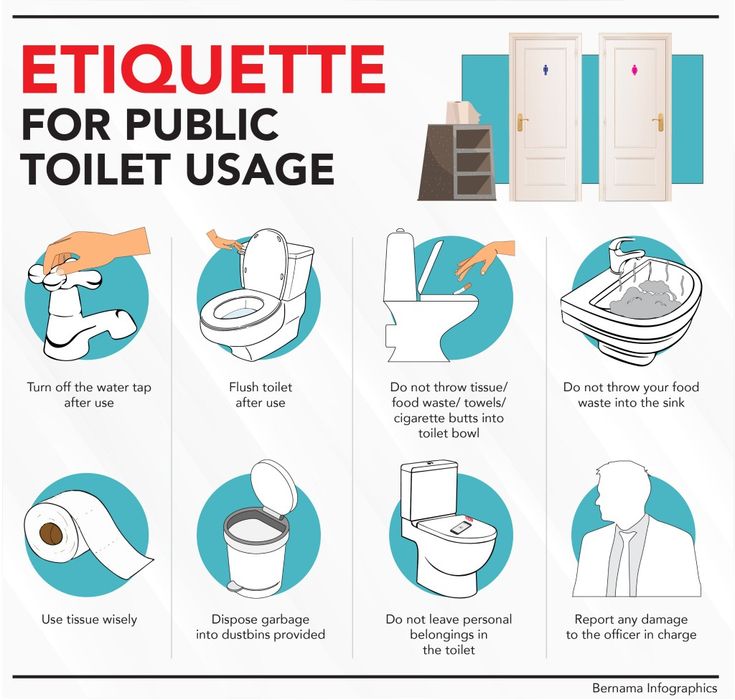
- User Behavior: Policies should outline expected user behavior, such as proper hygiene practices, respect for other users, and appropriate use of facilities.
- Prohibited Activities: These policies should also clearly state what is prohibited, such as loitering, drug use, or vandalism.
- Enforcement: Policies should be consistently enforced to maintain a safe and respectful environment. This may involve the use of attendants, security cameras, or other measures.
Effective bathroom policies can help prevent misuse, ensure safety, and create a positive experience for all users.
Staying Informed: Keeping Up with Changing Laws and Best Practices
Public bathroom laws and best practices are continually evolving, driven by changes in society, technology, and our understanding of accessibility and inclusivity. Staying informed is crucial for businesses and institutions seeking to create the best possible public bathroom experiences.
- Local Laws: Regularly review and update your knowledge of local, state, and federal laws governing public bathrooms.
- Industry Best Practices: Stay up-to-date with industry best practices, which can often exceed minimum legal requirements.
- User Feedback: Solicit and act on user feedback to continually improve your public bathroom offerings.
By staying informed and committed to creating the best possible public bathroom experiences, businesses and institutions can enhance user satisfaction, promote inclusivity, and ensure compliance with the law.




Related Articles

Public Bathroom Laws & Policies 2025: Your Complete Guide
Public Bathroom Laws and Policies in 2025: A Comprehensive Overview The year 2025 has brought significant advancements in public bathroom laws and policies...

New Jersey Bathroom Laws: Your Complete Guide to Public School Student Rights
Understanding New Jersey Public School Bathroom Laws In recent years, the debate surrounding bathroom access in public schools has gained significant traction...

Florida Bathroom Laws: Your Complete 2024 Guide
Understanding Florida's Bathroom Laws: A Comprehensive Guide Florida's bathroom laws have been a subject of debate and confusion for many, particularly with...

What Is a Garage Policy? Your Complete Guide to Coverage
For anyone who owns or operates a vehicle from a home-based business, understanding what is a garage policy is essential. This specific type of insurance...

Transgender Bathroom Laws by State: A Complete Guide
In the ongoing conversation about transgender rights, one of the most contentious issues has been the debate surrounding bathroom access. As of 2021, the...

Public School Bathroom Policy: Navigating New Guidelines 2024
Understanding Public School Bathroom Policies: A Comprehensive Guide Public school bathroom policies have evolved significantly in recent years, reflecting...