Fun & Educational Play Area Ideas for School: Creative Designs for Kids
Transforming Learning Spaces: Innovative Play Area Ideas for Schools
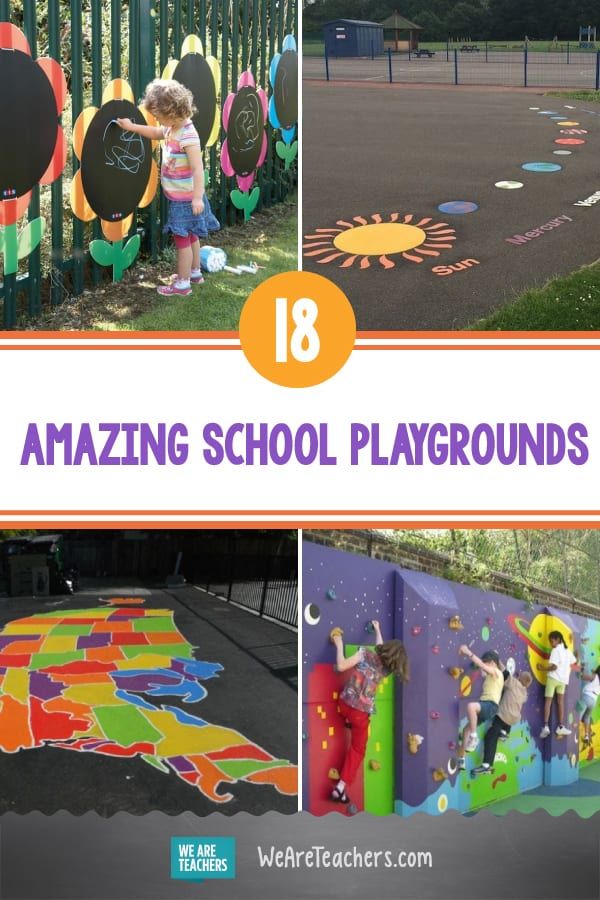
Creating engaging and stimulating play areas in schools is not just about installing a few pieces of equipment; it's about designing spaces that foster learning, creativity, and physical development. Here, we explore a variety of play area ideas that cater to different age groups, learning styles, and budgets.
Outdoor Play Area Ideas
Outdoor play areas offer numerous benefits, from promoting physical activity to enhancing mental well-being. Here are some ideas to make the most of your school's outdoor space:
- Nature-inspired Playgrounds: Incorporate natural elements like wood, stones, and plants to create a calming and engaging environment. Consider features like wooden play structures, rock climbing walls, or sand pits.
- Adventure Trails: Create a mini adventure trail with balance beams, stepping stones, or a mini obstacle course to encourage physical activity and challenge children's motor skills.
- Outdoor Classrooms: Designate a space for outdoor learning with picnic tables, seating, and shade structures. This can be used for science lessons, art classes, or simply enjoying a story under the sky.
Indoor Play Area Ideas
Indoor play areas provide a space for children to burn off energy, interact with peers, and develop important social skills. Here are some ideas to maximize your indoor space:


- Sensory Rooms: Create a dedicated space for sensory play with features like light tables, textured walls, or water play areas. This can help children with special needs or those who need a calming space to self-regulate.
- Loose Parts Play Areas: Set up a space dedicated to loose parts like blocks, shells, or small toys. This encourages open-ended play, creativity, and problem-solving skills.
- Role-Play Areas: Designate a space for dramatic play with dress-up clothes, puppets, or a mini kitchen. This helps children develop social skills, empathy, and language skills.
Play Area Ideas for Specific Age Groups
Different age groups have different play needs. Here are some ideas tailored to specific age groups:
Early Years (Ages 3-5)
For young children, play areas should be safe, engaging, and encourage independence. Consider features like:


- Low, sturdy climbers
- Age-appropriate puzzles and games
- Soft, comfortable seating areas for storytime
Elementary School (Ages 5-11)
As children grow, their play areas should too. Here are some ideas for elementary school-aged children:
- Challenging climbers and obstacle courses
- Board games and strategy games
- Art and craft areas with age-appropriate materials
Play Area Design Considerations
When designing play areas, consider the following factors to ensure they are safe, inclusive, and effective:
| Factor | Considerations |
|---|---|
| Safety | Use impact-absorbing surfaces, ensure equipment is age-appropriate and well-maintained, and provide adequate supervision. |
| Accessibility | Design play areas that are accessible to all children, including those with disabilities. Consider features like ramps, wide gates, and varied equipment. |
| Flexibility | Create play areas that can be adapted for different activities and age groups. Use modular equipment and consider the layout of the space. |
By incorporating these play area ideas and design considerations, you can create engaging, inclusive, and effective play spaces that support the holistic development of your students.




Related Articles

DIY Fence Ideas for Play Area: Safe, Creative & Kid-Proof Designs
Safeguarding Your Little Ones: A DIY Fence for Your Play Area Creating a safe and engaging play area for your children is a top priority for every parent. A...

101 Creative Small Play Area Ideas for Kids: Maximize Space & Fun
Creating Magical Play Spaces: Small Play Area Ideas for Kids In the quest to keep our little ones engaged and active, creating an inviting play area at home is...

IKEA Play Kitchen Ideas: Creative & Easy DIY Designs for Kids
Transforming your living room into a bustling restaurant, your bedroom into a cozy bakery, or your hallway into a bustling supermarket is easier than you might...

Pallet Bed Ideas for Kids: Creative DIY Designs for a Cozy Sleep Space
Transforming a humble pallet into a child's haven is one of the most rewarding DIY projects a parent or guardian can undertake. Instead of settling for...

Creative Pottery Painting Plate Ideas for Kids: Fun DIY Designs
Pottery painting is a timeless activity that bridges generations, offering a tactile and creative outlet for children of all ages. For parents and educators...

DIY Parol Ideas for School Projects: Easy & Creative Designs
Creating a DIY parol for a school project is an excellent way to combine cultural education with hands-on creativity. This traditional Filipino Christmas...