Ultimate Pickup Toolbox Organization: Maximize Space & Find Tools Fast
Mastering Pickup Toolbox Organization: A Comprehensive Guide
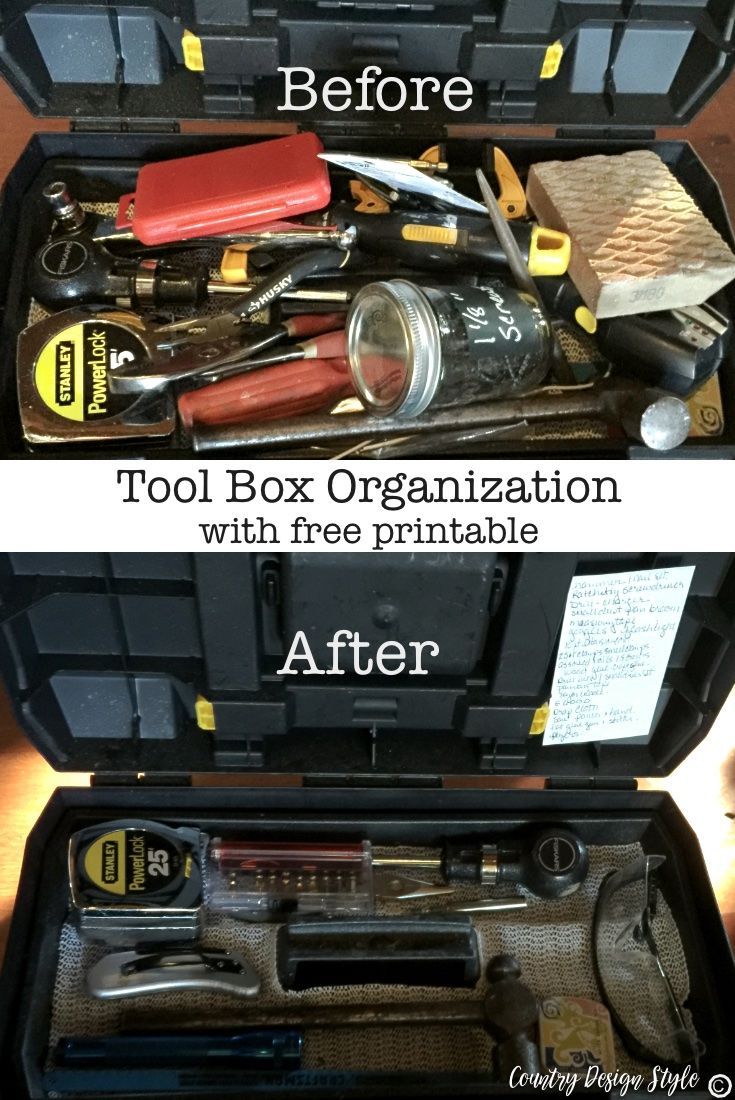
As a professional tradesman or DIY enthusiast, you understand the importance of having a well-organized toolbox. A neatly arranged pickup toolbox ensures you can quickly find the tools you need, prevents damage to your tools, and saves you time and effort. This guide will walk you through the best practices for organizing your pickup toolbox, helping you maintain a safe, efficient, and clutter-free workspace.
Understanding Your Toolbox Space
Before you begin organizing, it's crucial to understand the unique space you're working with. Pickup toolboxes come in various sizes and configurations, so consider the following:
- Measure the interior dimensions of your toolbox.
- Identify any existing compartments, drawers, or shelves.
- Assess the weight and size of your tools to determine how they should be stored.
Choosing the Right Storage Solutions
Once you've evaluated your toolbox space, it's time to select storage solutions that maximize your available space and protect your tools. Consider the following options:


Toolbox Inserts
Toolbox inserts, such as foam or plastic organizers, are designed to fit snugly inside your toolbox. They provide dedicated slots for specific tools, keeping them secure and easily accessible.
Drawers and Dividers
Drawers and dividers help separate tools based on type or size. They can be purchased as standalone organizers or installed within your toolbox. Opt for drawers with full-extension slides for easy access to all your tools.


Hooks and Loops
Hooks and loops can be attached to the interior walls or lid of your toolbox to hang tools or secure cords and cables. They help keep small items off the toolbox floor and within easy reach.
Categorizing Your Tools
Categorizing your tools based on their function or size makes it easier to find what you need and keeps your toolbox organized. Some common categories include:
- Hand tools (screwdrivers, wrenches, pliers)
- Power tools (drills, saws, sanders)
- Fasteners (nails, screws, bolts)
- Measuring tools (tape measures, levels)
- Safety gear (gloves, glasses, ear protection)
Arranging Tools for Easy Access
When arranging your tools, prioritize easy access to frequently used items. Place these tools in the most convenient locations, such as the top drawer or a quick-access compartment. Less frequently used tools can be stored in deeper drawers or compartments.


Labeling and Marking
Labeling and marking your toolbox compartments helps you quickly identify the contents of each section. Use clear, concise labels to indicate the tool category or specific tool name. You can also color-code labels to further differentiate between tool types.
Regular Maintenance and Upkeep
Maintaining a well-organized toolbox requires regular upkeep. After each use, take a few minutes to return tools to their designated spots and clean any dirt or debris. Additionally, periodically review your toolbox layout and adjust as needed to accommodate new tools or changes in your workflow.
Conclusion
Organizing your pickup toolbox is an investment in your productivity and efficiency. By understanding your toolbox space, choosing the right storage solutions, categorizing your tools, and maintaining your toolbox, you'll create a workspace that streamlines your projects and keeps your tools in top condition. Happy organizing!


Related Articles

The Ultimate Guide to Organizing Garden Tools in Garage: Maximize Space & Find Tools Fast
Transforming your garage into an organized haven for your garden tools isn't just about tidying up; it's about creating a space that makes your gardening tasks...

The Ultimate Garage Toolbox Organization Guide: Maximize Space & Efficiency
Maximize Your Space: The Ultimate Guide to Garage Toolbox Organization Ah, the garage - a space that's often a catch-all for tools, sports equipment, and...

The Ultimate Guide to Pickup Bed Organization: Maximize Space & Security
Transform your pickup truck's bed into a well-organized, functional space with these practical tips and solutions. Whether you're a tradesman, an avid camper...

The Ultimate Guide to Storing Small Garden Tools: Maximize Space & Organization
Few tasks are as satisfying as walking into a garden shed that is a haven of order rather than a source of frustration. Knowing exactly where your favorite...

The Ultimate Guide to Home Edit Linen Closet Organization: Maximize Space & Style
Transform Your Space: Mastering Home Edit Linen Closet Organization In the quest for a well-organized home, the humble linen closet often gets overlooked...

The Ultimate Guide to Storing Bags in Wardrobe: Maximize Space & Organization
Few tasks in home organization are as satisfying as optimizing wardrobe space, and learning how to store bags in wardrobe is a cornerstone of this process...