Attached Pergola Guide: Design, Costs & Building Tips for Your Home
Integrating a Pergola with Your House: A Detailed Guide
Attaching a pergola to your house is an excellent way to extend your living space, create a seamless transition between indoor and outdoor areas, and add a touch of elegance to your home's exterior. This comprehensive guide will walk you through the process, from planning to execution, ensuring a structurally sound and visually appealing result.
Understanding Pergolas and Their Benefits
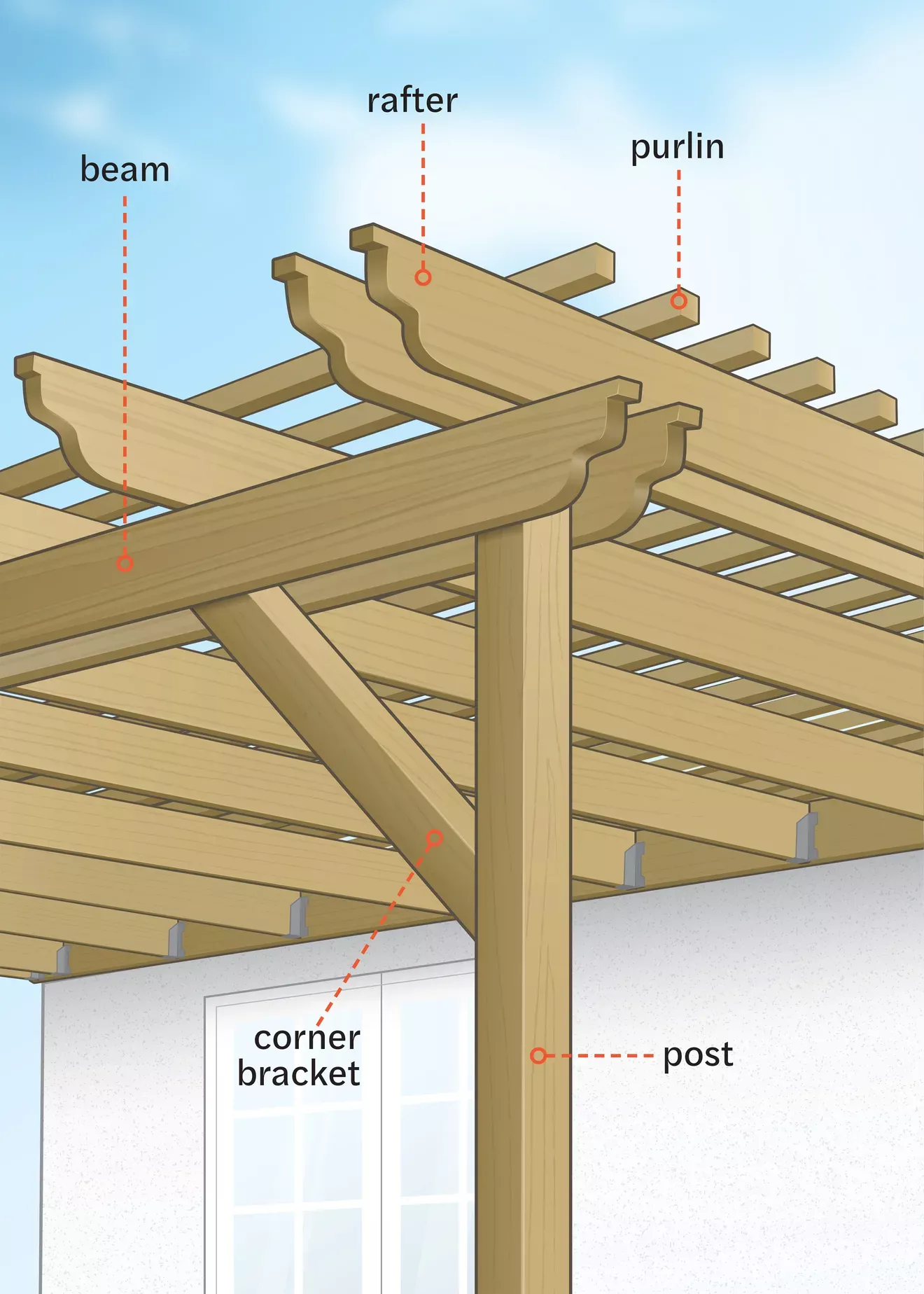
A pergola is an outdoor structure consisting of a framework of posts or columns that support a roofing grid of beams and rafters. It provides partial shade and can be used to define an outdoor space, such as a patio or garden. Attaching a pergola to your house offers several benefits:
- Enhanced curb appeal
- Increased living space
- Better integration of indoor and outdoor areas
- Additional protection from the elements
Planning Your Pergola: Size, Style, and Materials
Before you start building, consider the size, style, and materials for your pergola. The size should complement your house and provide enough coverage for the intended use. The style should match or complement your home's architecture. Common materials include wood, vinyl, and composite, each with its pros and cons in terms of durability, maintenance, and cost.


| Material | Pros | Cons |
|---|---|---|
| Wood | Natural appearance, easy to work with | Requires regular maintenance, susceptible to rot and pests |
| Vinyl | Low maintenance, durable, wide range of colors | Limited design options, can become brittle in extreme heat or cold |
| Composite | Durable, low maintenance, resistant to rot and pests | More expensive than wood or vinyl, limited design options |
Attaching the Pergola to Your House: Structural Considerations
When attaching a pergola to your house, it's crucial to ensure a strong, stable connection. Here are some structural considerations:
- Foundation: Ensure both the house and pergola have adequate foundations to support the structure.
- Load-bearing walls: Attach the pergola to a load-bearing wall to ensure it can support the weight.
- Bracing: Use diagonal braces to prevent the pergola from swaying or moving.
- Flashings: Install flashings around the pergola to direct water away from the house and prevent water damage.
Step-by-Step: Attaching a Pergola to Your House
Here's a step-by-step guide to attaching a pergola to your house:


- Measure and mark the location of the pergola on the house. Ensure it's level and square.
- Drill pilot holes through the house's exterior wall into the studs or load-bearing wall.
- Attach the pergola's posts or columns to the house using lag screws or other appropriate fasteners. Ensure they're level and plumb.
- Install the pergola's beams and rafters, following the manufacturer's instructions or your design plans.
- Install any additional features, such as roofing, lighting, or shade structures.
- Inspect the pergola to ensure it's secure, level, and plumb. Make any necessary adjustments.
Maintenance and Care of Your Pergola
Regular maintenance is key to keeping your pergola in good condition. This includes:
- Inspecting the structure annually for signs of damage or wear
- Cleaning the pergola regularly to remove dirt, debris, and mold
- Repainting or sealing the pergola every few years to protect it from the elements
- Pruning any nearby trees or plants that could cause damage or block sunlight
By following these guidelines, you can successfully attach a pergola to your house, creating a beautiful and functional outdoor space. Always remember to prioritize safety and consult with a professional if you're unsure about any aspect of the process.




Related Articles

Louvered Pergola Attached to House: Design, Costs & DIY Tips
Elevate your outdoor living space with a stylish and functional addition: a louvered pergola attached to your house. This elegant structure not only enhances...

The Ultimate Guide to Building a Walkway: Steps, Costs & Design Tips
Building a walkway transforms a simple footpath into a functional and elegant extension of your outdoor space. Whether you are guiding visitors to your front...
Build Your Own Pergola Attached to House: DIY Guide & Ideas
Transform Your Outdoor Space: Building a Pergola Attached to Your House Adding a pergola to your house not only enhances your home's curb appeal but also...

Covered Pergola Attached to House: Design Ideas & DIY Tips
Elevate Your Outdoor Living: The Charm of a Covered Pergola Attached to Your House Imagine extending your living space beyond the four walls of your home...

Attached Pergola Ideas: Connecting Your House Design
Understanding Pergolas Attached to Houses: A Comprehensive Guide When it comes to enhancing the exterior of your home, few structures are as versatile and...

Building a Pergola on a Wooden Deck: Costs, Tips & DIY Guide
Can You Put a Pergola on a Wooden Deck? A Comprehensive Guide If you're looking to enhance your outdoor living space, you might be wondering: can you put a...