Artificial Grass Between Pavers: The Ultimate Guide to Creating a Stunning, Low-Maintenance Patio
Revolutionizing Landscaping: Pavers with Artificial Grass in Between
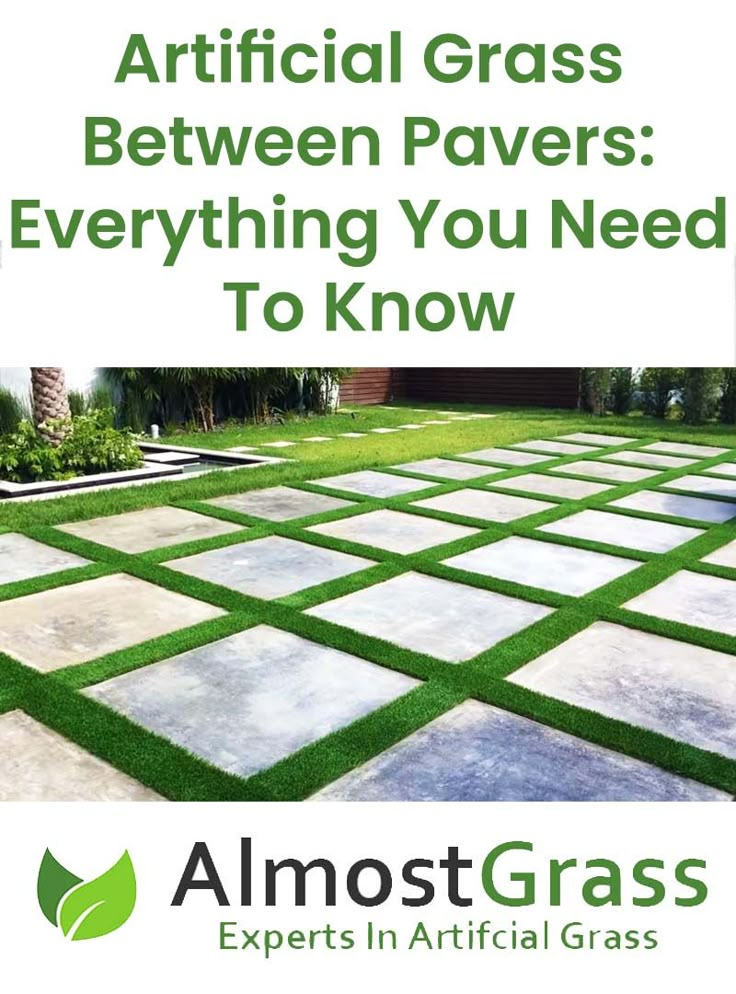
In the pursuit of low-maintenance, eco-friendly, and aesthetically pleasing outdoor spaces, the combination of pavers and artificial grass has emerged as a popular and innovative solution. This unique pairing not only creates a visually striking landscape but also offers numerous practical benefits. Let's delve into the world of pavers with artificial grass in between, exploring its advantages, installation process, and maintenance tips.
Why Choose Pavers with Artificial Grass?
This harmonious blend of hardscaping and softscaping offers a myriad of advantages:
- Low Maintenance: Both pavers and artificial grass require minimal upkeep, freeing up your time for enjoyment rather than constant upkeep.
- Durability: Pavers are highly durable and can withstand heavy foot traffic and harsh weather conditions, while artificial grass retains its lush appearance year-round.
- Drainage: The gaps between pavers allow for effective water drainage, preventing waterlogging and reducing the risk of pests and mold growth on the artificial grass.
- Versatility: This combination can be adapted to various landscapes, from modern patios to traditional gardens, creating a unique and personalized outdoor space.
- Environmentally Friendly: By reducing the need for water, pesticides, and fertilizers, this combination contributes to a greener, more sustainable landscape.
Design Options: Pavers and Artificial Grass
The design possibilities are almost endless with pavers and artificial grass. Here are a few inspiring ideas:


- Contemporary Patios: Create a sleek, modern patio using large format pavers and lush artificial grass, punctuated by stylish outdoor furniture.
- Traditional Gardens: Incorporate pavers in a herringbone or basketweave pattern, with artificial grass filling the gaps to create a classic, yet low-maintenance garden.
- Play Areas: Design a safe, durable play area using pavers for the perimeter and artificial grass for the play surface, ensuring no mud or grass stains.
Installing Pavers with Artificial Grass
Installing pavers with artificial grass involves several steps. Here's a simplified guide:
- Prepare the site by removing any existing vegetation and ensuring a solid, level base.
- Lay a layer of gravel for drainage, followed by a bed of sand.
- Install the pavers, leaving gaps for the artificial grass.
- Lay the artificial grass, trimming it to fit the spaces between the pavers.
- Secure the artificial grass with stakes or adhesive, and fill the gaps with sand or small pebbles for a finished look.
Maintaining Pavers with Artificial Grass
While this combination requires minimal maintenance, here are some tips to keep your landscape looking its best:


- Regular Cleaning: Sweep or blow off debris from both the pavers and artificial grass regularly to prevent buildup.
- Grooming Artificial Grass: Use a plastic rake or a power broom to stand up the blades of artificial grass, maintaining its natural appearance.
- Sealing Pavers: Consider sealing the pavers to protect them from stains and make cleaning easier.
- Inspect for Damage: Periodically check both the pavers and artificial grass for any signs of damage, addressing issues promptly to prevent further deterioration.
Embracing pavers with artificial grass in between offers a unique opportunity to create a beautiful, low-maintenance outdoor space that caters to both form and function. By combining these two versatile elements, you can design a landscape that is not only visually appealing but also practical and sustainable.



Related Articles
How to Lay Pavers with Artificial Grass In Between: A Step-by-Step Guide
Laying Pavers with Artificial Grass: A Comprehensive Guide Combining the durability of pavers with the lushness of artificial grass creates a stunning...

Small Garden Ideas with Artificial Grass: Low-Maintenance Stunning Designs
Transforming a small garden into a lush, inviting space can seem like a challenge, but with the right ideas and a little creativity, you can create an oasis...

Stunning Patio Ideas with Artificial Grass: Transform Your Outdoor Oasis
Transform Your Outdoor Space: Patio Ideas with Artificial Grass Artificial grass has come a long way since its inception, offering a low-maintenance...
15 Stunning Artificial Grass and Pavers Ideas for a Stunning Patio
Transform Your Outdoor Space: Exploring Artificial Grass and Paver Ideas In the quest to create a low-maintenance, visually appealing, and functional outdoor...

Install Artificial Turf with Pavers: The Ultimate Step-by-Step Guide
Transform Your Outdoor Space: A Comprehensive Guide to Installing Artificial Turf with Pavers Artificial turf and pavers are two versatile landscaping...

The Ultimate Guide to Artificial Grass and Pavers: Design & Installation Tips
Revolutionizing Landscaping: Artificial Grass and Pavers In the realm of modern landscaping, two materials have emerged as game-changers: artificial grass and...