Outdoor Projector Screen Ideas: 10 Creative & Durable Backyard Setup Designs
Transforming your backyard into a private cinema starts with the right foundation, and a well-chosen outdoor projector screen is the centerpiece of this experience. Unlike a standard indoor setup, an outdoor screen must contend with ambient light, variable weather, and larger viewing distances, making the choice of material and placement critical for image quality. Whether you are hosting a movie night under the stars or setting up a permanent backyard installation, considering these factors early will save you time and frustration later.
Fixed Frame vs. Pull-Down: Choosing the Right Structure
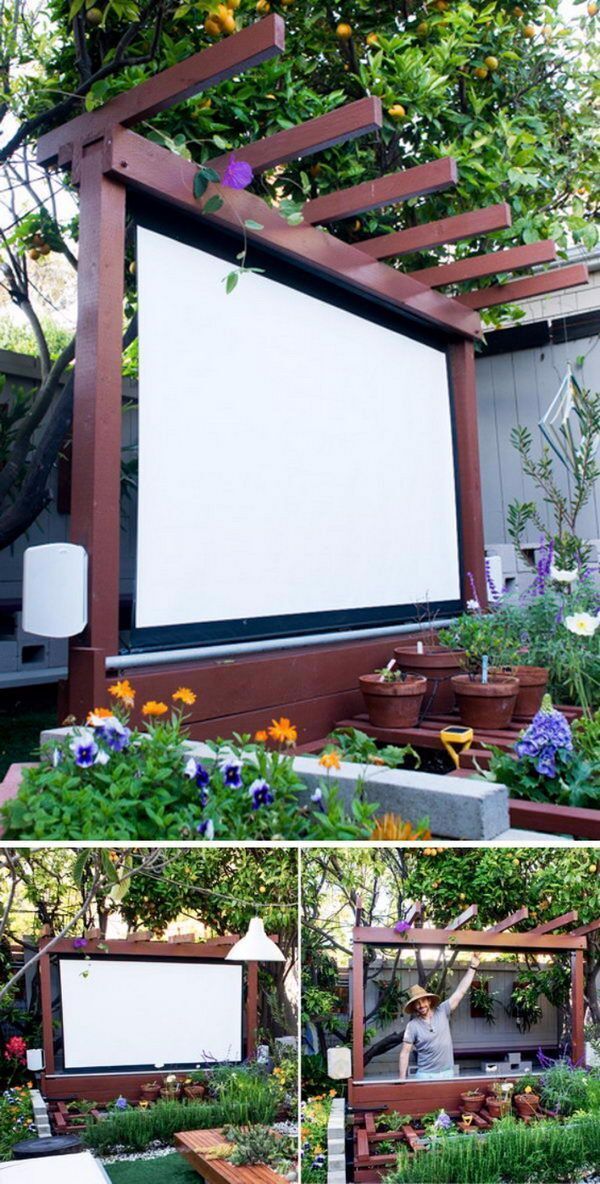
The fundamental decision in outdoor projector screen ideas revolves around the mechanism of deployment. Fixed frame screens are permanently mounted and offer the tautest surface, eliminating wrinkles and ensuring a perfectly flat image for crisp visuals. This rigid structure is ideal for dedicated spaces where the screen will remain exposed, as it provides a stable viewing experience even in moderate wind. Conversely, pull-down screens offer flexibility and protection; they can be neatly retracted into a housing when not in use, shielding the delicate vinyl from sun damage, dust storms, or unexpected rain.
Material Matters: Matte White vs. Ambient Light Rejecting
Selecting the appropriate screen material is perhaps the most significant factor in outdoor projector screen ideas, as it directly impacts visibility. A standard Matte White surface delivers excellent color accuracy and wide viewing angles, performing best in environments where you can control surrounding light, such as under a covered patio or in a completely darkened garden. For brighter settings where twilight viewing is essential, Ambient Light Rejecting (ALR) screens are a game-changer. These specialized surfaces are designed to reflect the projector’s light directly to the viewer while absorbing stray light from the sky or nearby lights, resulting in a dramatically higher contrast ratio even under partial daylight.


Strategic Placement for Maximum Impact
Location dictates the success of your outdoor setup, and smart positioning is one of the most practical outdoor projector screen ideas. Avoid placing the screen in the direct path of streetlights or security spotlights, as this will wash out the image. The ideal spot is often against a solid, light-colored wall of your house or a dedicated fence, which acts as a natural stabilizer and reduces the need for a large portable frame. If you are setting up a portable screen, orient it so that the setting sun is behind the viewers, not behind the screen, to minimize glare and maintain image integrity.
Size and Distance Calculations
To ensure your audience never misses a detail, matching the screen size to the viewing distance is essential in outdoor projector screen ideas. For a standard 1080p projection, the general rule is that the viewing distance should be roughly 1.5 to 2.5 times the width of the screen. If you plan to host large gatherings with viewers seated far back, a screen height of at least 6 feet is recommended to maintain the "cinema feel." Investing in a slightly larger screen than you initially think you need is often worthwhile, as the immersive experience of a massive image is difficult to replicate with a smaller display.


Weatherproofing and Maintenance Strategies
Durability is a non-negotiable aspect of outdoor equipment, and integrating weatherproofing into your outdoor projector screen ideas ensures longevity. If you opt for a portable screen, store it in a dry garage or shed when not in use to prevent moisture buildup and mold growth. For fixed installations, look for screens with reinforced borders and grommets that allow for secure cable routing and tethering to the ground. During periods of severe weather, such as high winds or heavy snow, manually retracting a pull-down screen or safely dismantling a portable frame can prevent costly damage to the fabric.
Elevating the Experience with Accessories
Taking your outdoor cinema to the next level involves integrating accessories that complement your screen. Installing a simple overhead pergola or awning provides essential shade, increasing the effective brightness of the screen without requiring a more expensive ALR model. Furthermore, positioning the screen near a power source is vital, but running long extension cords across walkways can be a tripping hazard. Using heavy-duty cable covers or routing wires along fences and walls keeps the area safe and maintains the clean, uncluttered look of your carefully planned outdoor projector screen ideas.
Portable Solutions for Flexibility
For those who value versatility or live in rental properties, portable screen solutions offer the best of both worlds. Inflatable screens are incredibly quick to set up and provide a massive surface area without the need for complex assembly, though they require a completely flat surface and a power source for the built-in speakers. Tripod-mounted screens are another excellent option; they are lightweight, easy to angle for optimal viewing, and can be moved to different lawns or parks for community events, making them a flexible core element of any outdoor entertainment strategy.




Related Articles

Simple Outdoor Bar Ideas for Backyard: Easy DIY Setup & Stylish Designs
Transforming your backyard into an entertainment hub starts with the right setup, and a simple outdoor bar is often the perfect centerpiece. Whether you are...

Backyard Projector Setup Ideas: Create Your Own Outdoor Cinema Oasis
Transforming your backyard into a personal cinema is no longer a fantasy reserved for the wealthy. With modern technology becoming more accessible, creating an...
Ultimate Backyard with Projector Setup: Outdoor Movie Night Ideas
Transforming a standard backyard into a personal entertainment hub has never been more accessible, and the centerpiece of this revolution is the backyard...
Ultimate Backyard Projector Screen Setup Ideas Reddit
Planning an epic backyard movie night often leads enthusiasts to a critical question: what is the best backyard projector screen? While portable options and...
Ultimate DIY Backyard Projector Screen Ideas: Easy Setup Guide
Transforming your backyard into a personal cinema is one of the most rewarding upgrades an outdoor enthusiast can make. The key to a sharp, bright image under...

50+ Creative Birdhouse Designs: Unique DIY Ideas for Backyard Birds
Transform your backyard into a vibrant, avian paradise with our collection of creative birdhouse designs. These unique abodes aren't just functional; they're...