The Most Popular Indian Vegetarian Dish You Need to Try Today
Indian vegetarian cuisine is a vibrant tapestry woven from thousands of years of tradition, regional diversity, and spiritual philosophy. Often mischaracterized abroad as merely a series of lentil stews, the reality is a dynamic world of textures, aromas, and complex flavors that celebrate the abundance of the earth. From the creamy richness of North Indian curries to the fiery, coconut-infused stews of the South, the variety is staggering. This exploration focuses on the most beloved and iconic dishes that have transcended regional boundaries to become staples in homes and restaurants globally, capturing the hearts of both vegetarians and meat-eaters alike.
The Universal Comfort: Butter Chicken (Paneer Makhani)
While technically often containing chicken, the vegetarian adaptation known as Paneer Makhani has claimed the throne as the most recognizable Indian dish worldwide. This luxurious preparation transforms humble paneer (Indian cottage cheese) in a sumptuous tomato-based gravy enriched with butter, cream, and a symphony of warming spices. The result is a dish that is simultaneously rich and tangy, velvety yet vibrant with the charred notes of ginger and garlic. Its milder profile makes it an essential gateway dish for newcomers, while its decadent sauce provides a satisfying depth that keeps connoisseurs coming back for more.
Regional Variations and Technique
The magic of Paneer Makhani lies in its technique. The paneer is typically pan-seared to achieve a golden crust before being bathed in the sauce, which is built upon a foundation of onion, tomato, and cashew paste. The use of fresh cream and a touch of sugar to balance the tomatoes is key to achieving that signature sweet-and-savory harmony. While the restaurant version is famously rich, home cooks often lighten it up with yogurt or coconut milk without sacrificing flavor, proving the dish's incredible versatility.


The Crown Jewel of the Thali: Dal Makhani
For a true taste of Indian culinary depth, one must look to Dal Makhani, the black lentil and kidney bean stew that is the undisputed king of Punjabi cuisine. Slow-cooked for hours with a generous spoonful of butter and cream, this dal achieves a texture so smooth and luxurious it feels like velvet on the palate. The long, gentle simmering allows the urad dal and rajma to break down completely, creating a dish that is both hearty and incredibly soothing. It is the dish that embodies the concept of "soul food" in Indian households.
- Key Ingredients: Black lentils (urad dal), kidney beans (rajma), butter, cream, garam masala.
- Flavor Profile: Rich, creamy, smoky, and deeply satisfying.
- Serving Suggestion: Best enjoyed with steamed basmati rice or naan, allowing the gravy to soak into the starch.
The Art of the Wrap: Aloo Paratha
Moving from the realm of stews to the world of flatbreads, the Aloo Paratha stands as a testament to the beauty of simplicity. This flaky, layered flatbread is stuffed with a spicy, mashed potato mixture, often enhanced with peas, green chilies, and a whisper of garam masala. The dough is rolled out thin, cooked on a griddle with ghee or butter until it puffs up and turns golden, resulting in a crisp exterior and a soft, aromatic interior. It is the quintessential breakfast or brunch item, but its satisfying nature makes it a perfect meal any time of day.


The Perfect Accompaniment
The aloo paratha is rarely enjoyed in isolation. It is a complete meal when paired with a cooling dollop of fresh white butter (makhan), a side of pickled onions (achaar), and a yogurt dip (raita). The interplay of the hot, spicy potato filling with the cool, tangy raita creates a balance of temperatures and flavors that is nothing short of magical. It is a dish that is deeply rustic yet incredibly satisfying, connecting the eater to the agricultural heartland of India.
The Soul of the South: Masala Dosa
Traveling down to the coastal regions of South India, the culinary landscape shifts to embrace rice, lentils, and coconut. The Masala Dosa is the undisputed champion of this region and a global phenomenon in its own right. This crispy, fermented crepe, made from a batter of rice and urad dal, is spread with a spicy potato filling and served with an array of chutneys and sambar. The contrast between the shattering crispness of the dosa and the soft, flavorful interior is an unparalleled textural experience.
The craftsmanship involved in making the perfect dosa is an art form in itself. The batter must ferment for just the right amount of time to achieve the ideal balance of sourness and airiness. When cooked on a hot griddle, it crackles and whispers, releasing an aroma that is instantly addictive. It is a breakfast, a snack, or a light dinner, demonstrating the incredible adaptability of Indian vegetarian fare.


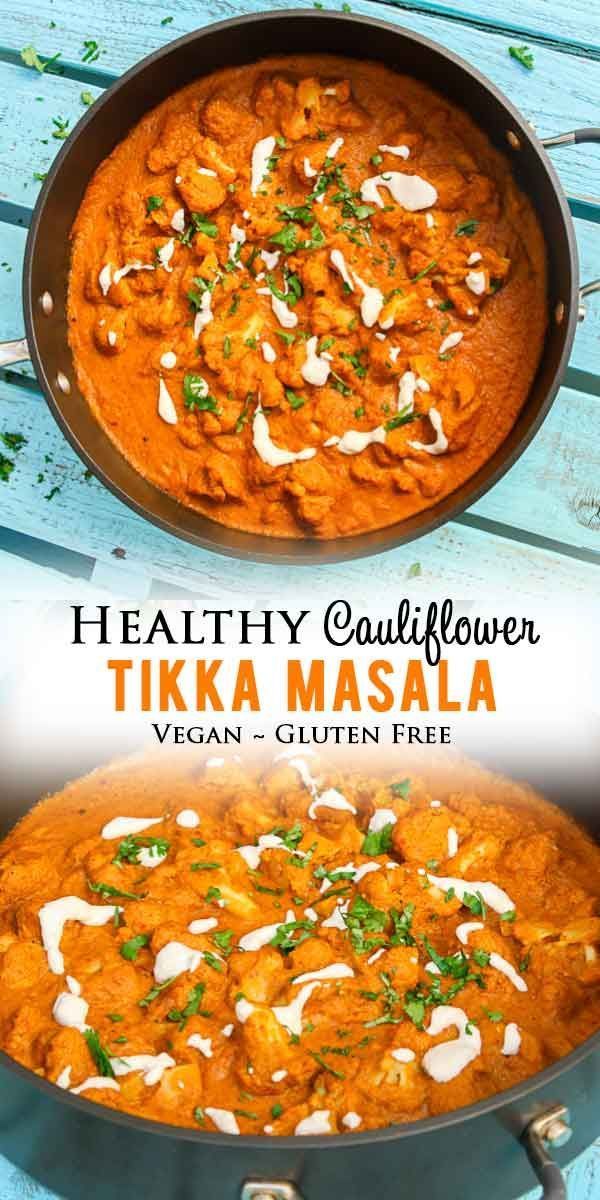

Street Food Symphony: Pani Puri / Golgappa
No exploration of Indian vegetarian food would be complete without acknowledging the explosive flavor of street food. Pani Puri (also known as Golgappa or Puchka) is an experience, not just a snack. It is a hollow, crispy shell filled with a mixture of spicy boiled potatoes, chickpeas, and tamarind water. The act of popping the entire puri into your mouth, releasing a burst of sweet, spicy, and tangy flavors all at once, is an unparalleled sensory adventure. It is a dish that embodies the joy and immediacy of Indian culinary culture, bringing people together in bustling markets and roadside stalls.
Each component of the pani puri is crucial: the crisp shell provides the textural base, the spicy potato offers substance, and the flavored water is the refreshing, zesty element that ties it all together. It is a dish that is simultaneously messy, elegant, and utterly addictive, proving that Indian vegetarian food can be as bold and dynamic as any non-vegetarian counterpart.


Related Articles
10 Popular Vegetarian Indian Dishes You’ll Love
Across the length and breadth of India, the tradition of vegetarian cooking is not an alternative diet but a vibrant culinary philosophy rooted in history...
Delicious Indian Vegetarian Recipe Ideas | Easy Cooking
Indian vegetarian cooking is a vibrant celebration of color, flavor, and tradition, offering an endless variety of dishes that nourish both body and soul. From...
Delicious Indian Vegetarian Dish Ideas for Easy Weeknight Meals
Welcome to a journey through the heart of Indian vegetarian cuisine, a world where humble ingredients are transformed into extraordinary culinary experiences...

What is the Most Popular Color to Paint a Fireplace? Trends & Ideas
When homeowners embark on the journey of refreshing their living space, the fireplace often serves as a primary focal point. Consequently, the question of what...

The Most Popular Color for Furniture in 2024 (And Why You’ll Love It)
Trending in 2024: The Most Popular Color for Furniture As we step into the future, the world of interior design continues to evolve, with new trends emerging...

Top 5 Summer Pedicure Colors 2024: Trending Shades for Toes
Trending Pedicure Colors for a Radiant Summer As the weather warms up and sandal season approaches, it's time to give your toes some love with a vibrant...