"Modern Hallway Paint Ideas: Fresh & Stylish"
When you refresh a home, the first impression is often set by the surfaces you walk past every day. A modern hallway sets the tone for the entire residence, acting as a visual bridge between your private spaces and your entrance. The most transformative element in reimagining this zone is often the simplest one: paint. Choosing the right color palette and finish can turn a simple passage into a curated gallery, a calming retreat, or a bold statement of intent.
Embracing the Neutral Palette
Modern design leans heavily on sophisticated neutrals, and your hallway is the perfect place to experiment. Greys, ranging from warm taupe to cool graphite, provide an elegant backdrop that hides the wear and tear of daily life while maintaining a timeless aesthetic. For a slightly softer approach, consider greys with blue or green undertones; these hues create a serene atmosphere that feels both airy and substantial. If you prefer warmth, do not shy away from beiges and camel tones. When paired with matte or eggshell finishes, these colors diffuse light beautifully, eliminating the harsh glare often found in narrow passages.
Bold Accents and Focal Points
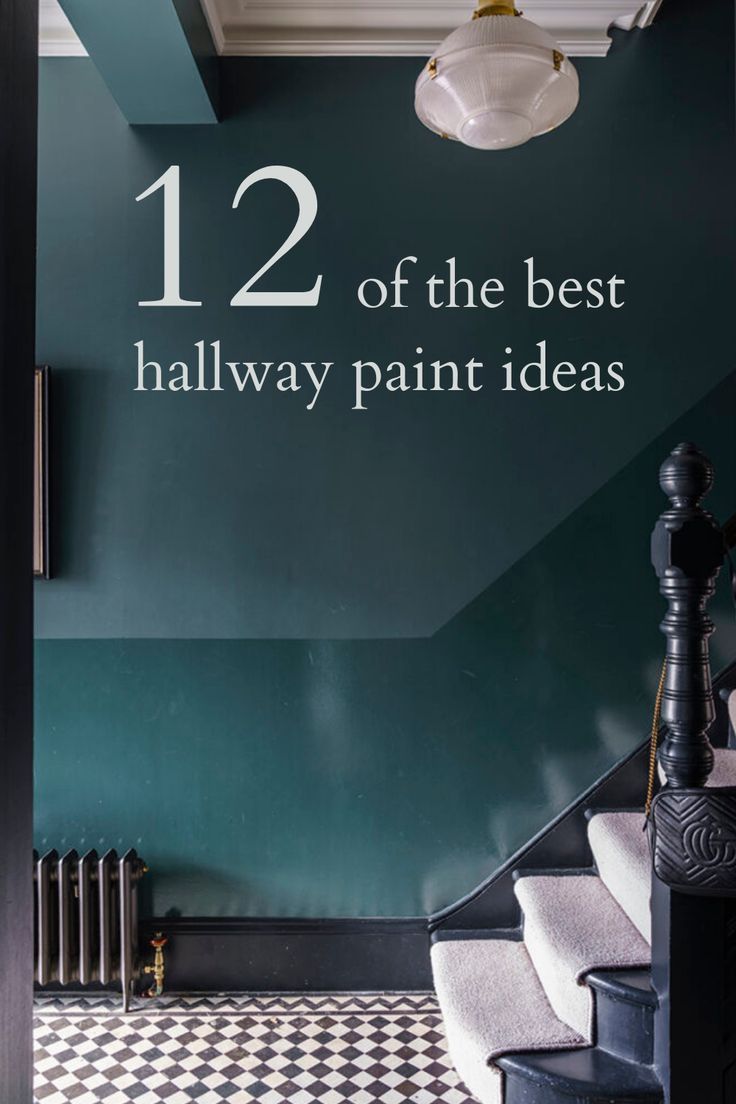
While neutrals are a safe bet, a modern hallway does not have to be boring. Introducing a single focal wall in a deep, saturated hue can create dramatic depth without overwhelming the space. Navy blue, forest green, or even a muted terracotta can turn a blank corridor into a striking feature. The key to success lies in intentionality; treat the painted wall as an art piece. You might frame it with built-in shelving or line it with abstract artwork to ensure the color serves a purpose rather than just adding noise. This technique draws the eye forward, making even the shortest hallway feel intentional and designed.


Enhancing Spatial Perception
The physical dimensions of your hallway dictate the paint strategy you should employ. If you are dealing with a long and narrow passage, the goal is to make the space feel wider and more open. Painting the ceiling a crisp white or a very light shade creates a visual lift, while painting the end wall a cool, receding color (like a soft blue or grey) tricks the eye into thinking the room extends further. Conversely, if your hallway feels cavernous, you can warm it up by painting the end wall a rich, advancing color like a warm brown or deep red, effectively closing the distance and creating a cozy transition zone.
Lighting Considerations
Paint does not exist in a vacuum; it reacts to the light sources in your environment. Natural light will bring out the undertones of your chosen color, while artificial light can alter its temperature dramatically. Before committing to a specific shade, observe how the hallway light changes throughout the day. In a space with limited windows, a warm paint color can compensate for the lack of natural light, making the passage feel inviting rather than cave-like. Conversely, a cool, north-facing hallway might benefit from a vibrant, warm accent to offset the sterile feeling often associated with fluorescent or harsh LED lighting.


Texture and Finish
The modern approach to hallway paint extends beyond color to include texture and sheen. Matte finishes are popular for their ability to hide imperfections and reduce glare, but they can be prone to marking. Satin or eggshell finishes offer a practical middle ground, providing a soft sheen that is easy to clean while still maintaining a sophisticated look. For a truly high-end look, consider incorporating a plaster or Venetian finish. These textured applications catch the light in unique ways, adding depth and luxury that flat paint simply cannot achieve.
Integration with Design Elements
Paint is the background, but the surrounding elements are the foreground. Modern hallways often feature minimalist hardware, such as brushed nickel or matte black pulls, which allow the wall color to speak. If your hallway boasts high gloss or marble flooring, your paint choices should harmonize with these hard surfaces. A soft, dusty blue might complement cool grey stone, while a terracotta hue can echo the warmth of hardwood. The goal is to create a cohesive story where the floor, the wall, and the furniture feel like they belong to the same design narrative.
Practical Tips for Execution
Transforming a hallway requires careful planning to ensure the finish looks professional. Always begin by priming the walls, especially if you are making a drastic shift from a dark color to a light one or covering stains. For the top coat, investing in a high-quality paint pays off in durability and sheen consistency. Use a quality angled brush for the trim and cut-in work around the ceiling and door frames, then roll out the main wall area for a smooth, even texture. Applying two thin coats is always superior to one thick coat, as it prevents drips and ensures the color depth you are aiming for.




Related Articles

Modern Hallway Panelling Ideas B&Q: Stylish & Durable Designs
Transform Your Space: Modern Hallway Panelling Ideas from B&Q Hallways often serve as the first impression of your home, so why not make a statement with...
Staircase Hallway Paint Ideas: 20+ Modern Designs to Inspire
Transform Your Staircase Hallway with these Paint Ideas Your staircase hallway is more than just a path from one level to another; it's a canvas for...

Stylish Hallway Decorative Shelf Ideas for Modern Entryways
Transforming a blank hallway into a curated gallery of style is easier than you might think, and the hallway decorative shelf is the quintessential tool for...

Modern Kitchen Stove Ideas: Stylish Designs for 2024
Revolutionize Your Cooking Space: Modern Kitchen Stove Ideas In the heart of every home lies the kitchen, and at its core, the stove - the epicenter of...

Modern Mailbox Designs: 25+ Stylish & Sleek Ideas for Your Home
Revolutionizing Home Entrances: A Deep Dive into Modern Mailbox Designs In the digital age, physical mailboxes might seem like relics of the past, but they...

Sleek Modern Faux Fireplace: Stylish Design Ideas
Revolutionizing Home Comfort: The Modern Faux Fireplace The charm of a fireplace is undeniable, but traditional fireplaces come with their fair share of...