Artificial Turf vs Pavers: Cost Comparison & Savings 2024
When considering the cost of transforming your outdoor space, you might be wondering: "Is artificial turf cheaper than pavers?" The answer isn't as straightforward as you might think, as it depends on various factors. Let's delve into the costs, longevity, and maintenance of both artificial turf and pavers to help you make an informed decision.
Initial Cost: Artificial Turf vs. Pavers
The initial cost is often the first factor homeowners consider. So, let's break down the upfront expenses of both artificial turf and pavers.
Artificial Turf Cost
- Material: The cost of artificial turf ranges from $2 to $15 per square foot, with most homeowners spending around $5 to $10 per square foot. Premium options with longer piles, better drainage, and more realistic appearances tend to be more expensive.
- Installation: Professional installation can cost between $3 to $10 per square foot, depending on the complexity of the project and your location. DIY installation can significantly reduce this cost.
On average, you can expect to spend between $7 to $20 per square foot for a professional artificial turf installation.


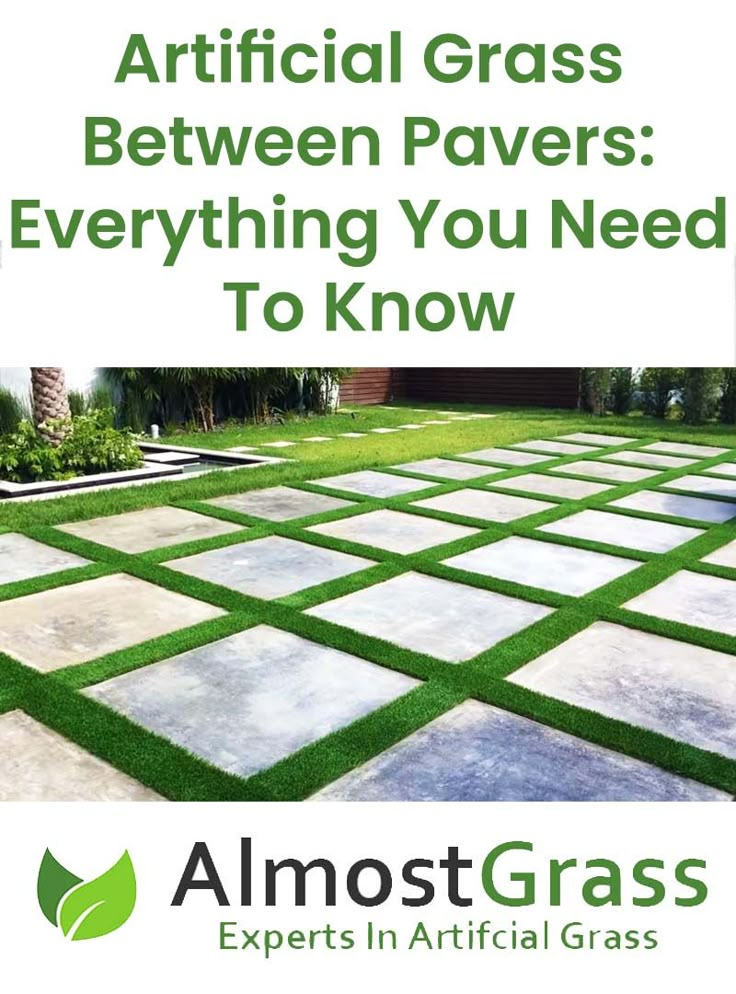
Pavers Cost
- Material: Paver costs vary depending on the material, size, and design. On average, you can expect to spend between $3 to $20 per square foot. Popular paver options and their average costs include:
- Concrete pavers: $3 - $10 per square foot
- Clay or concrete brick pavers: $5 - $15 per square foot
- Natural stone pavers: $10 - $20 per square foot
- Installation: Professional paver installation can cost between $5 to $20 per square foot, depending on the complexity of the project and your location. DIY installation can significantly reduce this cost.
On average, you can expect to spend between $8 to $40 per square foot for a professional paver installation, with most homeowners spending around $12 to $25 per square foot.
Longevity and Maintenance Costs
While the initial cost is essential, it's also crucial to consider the longevity and maintenance costs of both artificial turf and pavers.


Artificial Turf Longevity and Maintenance
High-quality artificial turf can last between 15 to 30 years, with an average lifespan of around 20 years. During this time, you can expect to spend around $100 to $500 on maintenance, including cleaning, infill replacement, and occasional repairs. Here's a breakdown of artificial turf maintenance costs:
| Maintenance Task | Average Cost |
|---|---|
| Cleaning (every 6-12 months) | $50 - $200 |
| Infill replacement (every 5-10 years) | $100 - $300 |
| Repairs (as needed) | Variable |
Pavers Longevity and Maintenance
Pavers can last for decades with proper maintenance, making them a durable and long-lasting option. However, they do require more upkeep than artificial turf. Here are some maintenance costs to consider:
- Sealing (every 3-5 years): $0.10 - $0.20 per square foot
- Weed control (annually): $0.05 - $0.15 per square foot
- Repairs (as needed): Variable
While the maintenance costs for pavers are relatively low, they can add up over time. Additionally, some homeowners may choose to power wash or resand their pavers, which can increase the overall maintenance cost.


Which is Cheaper in the Long Run?
When comparing the initial cost, longevity, and maintenance costs of artificial turf and pavers, it's clear that artificial turf is the more affordable option in the long run. While pavers have a lower upfront cost, their shorter lifespan and higher maintenance requirements make them more expensive over time.
However, it's essential to consider your personal preferences and needs when making your decision. If you prioritize low maintenance and a lush, green lawn, artificial turf might be the better choice. On the other hand, if you prefer a more natural look and feel and don't mind investing more time and money into maintenance, pavers could be the way to go.
Ultimately, the answer to "Is artificial turf cheaper than pavers?" depends on your specific situation and priorities. By weighing the initial cost, longevity, and maintenance requirements of both options, you can make an informed decision that best suits your needs and budget.


Related Articles

Is Laminate Cheaper Than Granite? 2024 Cost Comparison
When planning a kitchen or bathroom renovation, budget is often the primary deciding factor in material choices. Homeowners frequently find themselves...

Are Cellular Shades Cheaper Than Blinds? The Cost Comparison Guide
When it comes to window treatments, the choice between cellular shades and blinds often comes down to cost. Both options have their unique features and...

Wood Paneling vs Drywall: Is It Cheaper? 2024 Cost Breakdown
When planning a renovation or new build, one of the first decisions you face is choosing the right wall material. The debate between wood paneling and drywall...

Is Stained Concrete Cheaper Than Flooring? The Ultimate Cost Comparison Guide
Stained Concrete vs. Flooring: A Cost Comparison When it comes to choosing a flooring option, cost is often a significant factor. Stained concrete has gained...

Are Shades Cheaper Than Blinds? The Ultimate Cost Comparison Guide
Are Shades Cheaper Than Blinds? A Comprehensive Comparison When it comes to window treatments, the age-old question often arises: are shades cheaper than...

Are Wooden Countertops Cheaper Than Granite? The Ultimate Cost Comparison
Wooden Countertops vs Granite: A Cost Comparison When it comes to kitchen countertops, homeowners often find themselves torn between the timeless appeal of...