Interactive Games for English Class: Fun Learning Activities
Incorporating interactive games into English classes can significantly enhance students' learning experience and improve language acquisition. These games not only make learning fun but also encourage active participation, foster a competitive spirit, and cater to diverse learning styles. Here, we explore a range of interactive games that can be seamlessly integrated into English classes, focusing on vocabulary building, grammar, listening, speaking, reading, and writing skills.
Why Incorporate Interactive Games in English Classes?
Interactive games offer numerous benefits for English language learners. They provide a low-stakes environment for practicing new skills, encourage peer-to-peer interaction, and make learning enjoyable. Moreover, games can cater to different learning styles, helping students who learn best through visual, auditory, or kinesthetic means. Lastly, games can boost students' confidence and motivation, as they associate learning English with positive experiences.
Interactive Games for Vocabulary Building
1. Taboo
Taboo is a classic word-guessing game that can be adapted for English classes. To play, create cards with target vocabulary words and related 'taboo' words that students cannot use while describing the word. This game encourages creative thinking and helps students expand their vocabulary.


2. Word Snake
Word Snake is a digital game where students unscramble letters to form words. This game is highly customizable, allowing teachers to input specific vocabulary lists. It's an engaging way to help students practice and reinforce new vocabulary.
Interactive Games for Grammar
3. Grammar Hero
Grammar Hero is an interactive, online game that tests students' understanding of grammar rules. Students play as superheroes, battling grammar villains in a fun, engaging setting. This game makes learning grammar rules exciting and memorable.


4. Sentence Building
Sentence Building is a simple, yet effective game where students race to create grammatically correct sentences using a set of given words. This game can be played in small groups or as a whole class, fostering a competitive spirit while reinforcing grammar concepts.
Interactive Games for Listening, Speaking, Reading, and Writing Skills
5. Four Corners
Four Corners is a versatile game that can be used to practice all four language skills. To play, label four corners of the classroom with 'A', 'B', 'C', and 'D'. Pose a question or statement, and have students move to the corresponding corner based on their response. This game encourages active listening and critical thinking.
6. Story Chain
Story Chain is a collaborative storytelling game that promotes speaking, reading, and writing skills. Start a story with a sentence, then have students take turns adding a sentence to the story. After a set number of turns, have students write down the story, fostering creativity and reinforcing language skills.


7. Debate
Debate is an excellent way to practice speaking and writing skills. Divide students into teams and assign them a topic. Give them time to prepare arguments, then have them present and defend their stance. This game encourages critical thinking, public speaking, and persuasive writing skills.
Tips for Incorporating Interactive Games into English Classes
- Choose games that align with your lesson objectives and students' needs.
- Provide clear instructions and model the game before playing.
- Encourage teamwork and sportsmanship, fostering a positive learning environment.
- Reflect on the game's effectiveness and gather student feedback for future improvements.
Incorporating interactive games into English classes can transform learning into an engaging, enjoyable experience. By catering to diverse learning styles and fostering a positive learning environment, interactive games can significantly enhance students' language acquisition and overall learning experience.


Related Articles
Interactive Class Games Online: Fun Learning Activities For Students
In the digital age, education has evolved to incorporate interactive online platforms, making learning more engaging and accessible. One of the most innovative...
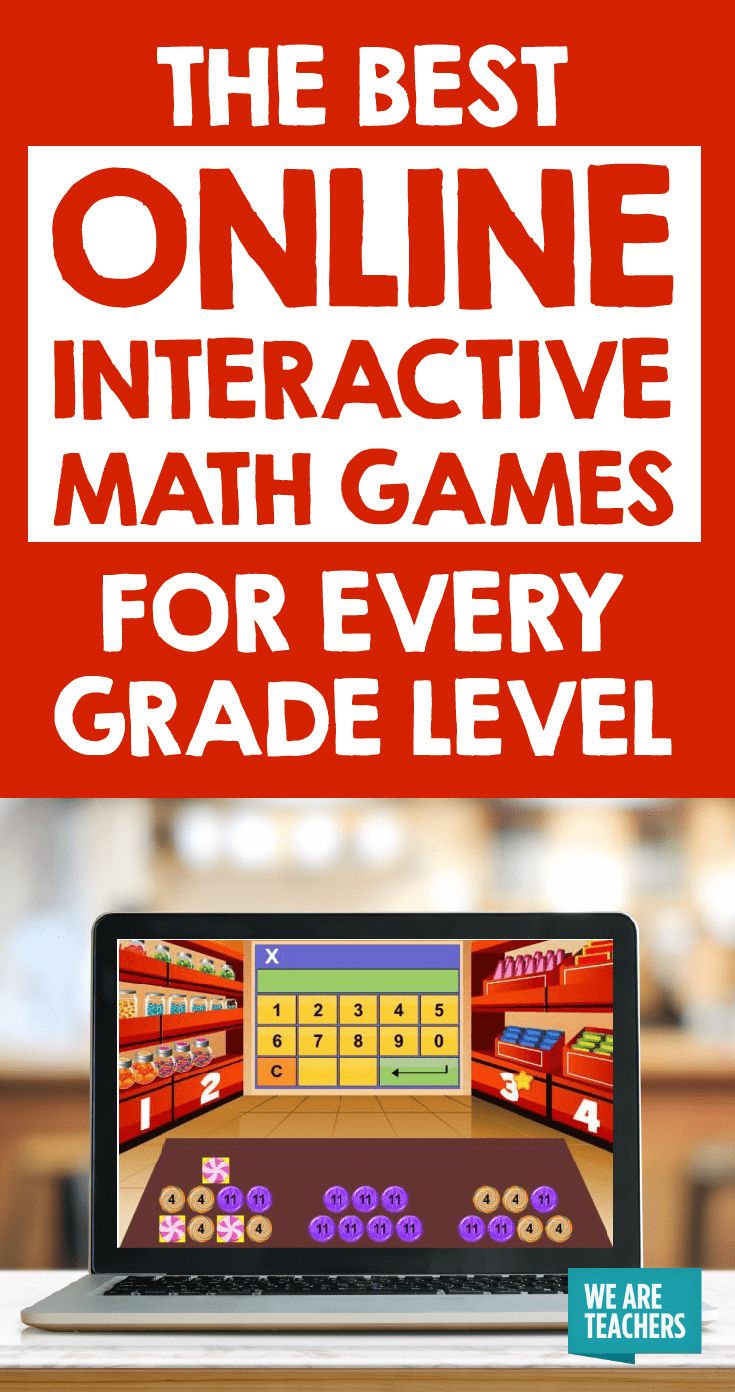
Interactive Games for Math Class: Fun Learning Activities
Interactive Games for Math Class: Engage, Learn, and Excel In today's digital age, integrating interactive games into math classes can significantly enhance...

Engaging Class Interactive Activities for Fun Learning
In the dynamic world of education, interactive activities have emerged as a powerful tool to engage students and enhance learning outcomes. Class interactive...
Interactive Games for Class Presentations: Boost Engagement & Learning
In today's digital age, educators are increasingly turning to interactive games to enhance class presentations and engage students. These games not only make...
Fun Interactive Games for Elementary Students: Engaging Learning Activities
Engaging Elementary Students with Fun Interactive Games In today's digital age, incorporating interactive games into elementary education can significantly...
Interactive English Games for Elementary Students: Fun Learning Adventures
Engaging Elementary Learners: Interactive English Games In the digital age, educators are increasingly incorporating interactive games into their classrooms to...