Creative Upcycling Ideas: How to Upcycle a Futon Like a Pro
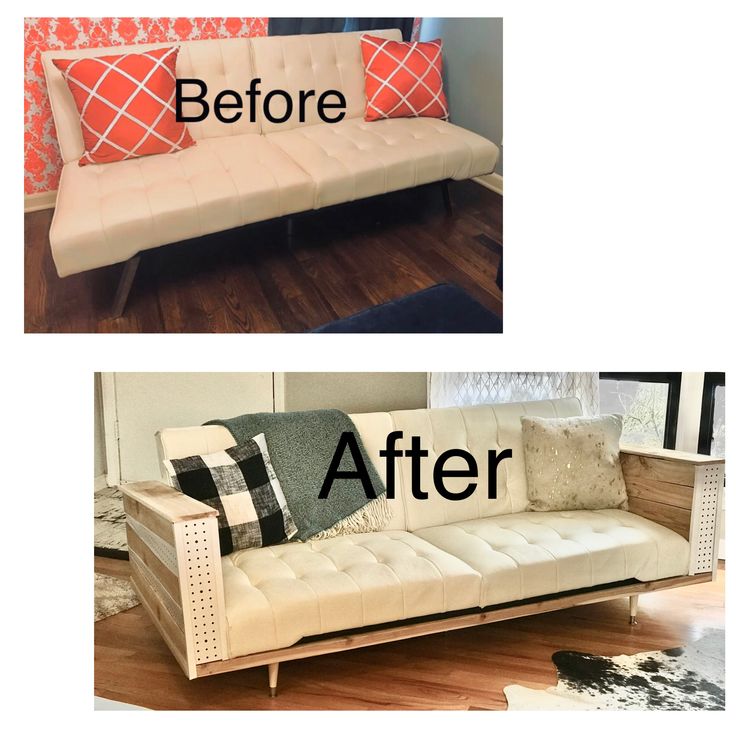
That bulky wooden frame sitting in your garage might seem like an eyesore, but with a little creativity, it can become the centerpiece of your next home project. Upcycling a futon is not just a way to clear out space; it is an opportunity to transform outdated furniture into functional art that reflects your personal style. Instead of sending it to a landfill, you can dismantle the frame and repurpose the slats and hinges to build anything from a rustic outdoor bench to a sturdy garden trellis. The process encourages resourcefulness, turning what was once a single-purpose object into multiple unique items for your home.
The environmental benefits of tackling a project like this are significant. By choosing to upcycle, you are actively reducing waste and conserving the resources required to manufacture new products. This practice gives discarded materials a second life, keeping them out of local landfills and reducing the demand for virgin timber. It is a sustainable step that aligns with a circular economy, where the value of materials is extended far beyond their initial use, making your small act of renovation part of a larger global effort toward sustainability.
Preparing for the Transformation
Before you swing a hammer, preparation is key to ensuring a smooth and safe upcycling experience. Start by clearing a well-lit workspace with enough room to maneuver the futon parts comfortably. You will need to gather essential safety gear, including gloves to protect your hands from splinters and sturdy goggles to shield your eyes from dust and debris. Having the right tools ready—such as a pry bar, a power drill, and a saw—will make the deconstruction process much more efficient and less frustrating.


Dismantling the Frame
Take your time with this stage; rushing can result in damaged wood that is unusable for future projects. Begin by removing the cushions and fabric covers, setting them aside if they are in good condition for a separate sewing project. Locate the bolts or screws that hold the frame together and carefully unsight them using your wrench or screwdriver. As you separate the sections, gently tap the wooden slats apart to access the hardware, being mindful not to crack the wood under pressure.
| Component | Purpose | Upcycling Idea |
|---|---|---|
| Wooden Slats | Provide structural support for the mattress | Garden dibber, plant markers, or frame lattice |
| Metal Hinges | Allow the futon to fold in half | Support for floating shelves or cabinet doors |
| Fabric Cover | Protects the cushion padding | Reusable dust covers or patchwork material |
Creative Reuse Strategies
One of the most rewarding aspects of this project is the versatility of the materials you recover. The wooden slats, once used to support a sleeper, are incredibly sturdy and can be cut to length for a variety of applications. If you enjoy gardening, you can plane the edges smooth and create vertical garden planters or horizontal plant stands that add a natural touch to your outdoor space. Alternatively, you can cut the slats into shorter segments to build a rustic coffee table tray or a set of nesting side tables that offer practical storage.


For those with a flair for textiles, the futon fabric is a valuable asset worth salvaging. If the material is still clean and visually appealing, you can transform it into durable outdoor cushions for a bench or weather-resistant pillows for a reading nook. If the pattern is bold but the fabric is worn, you might deconstruct it to create unique patchwork items like tote bags, placemats, or a distinctive wall hanging. The hinges, often overlooked, are perfect for organizing your workshop or garage, allowing you to mount tools securely to the wall for easy access.
Finishing Touches and Maintenance
Once you have assembled your new creation, a little refinement will go a long way in ensuring longevity. Sand down any rough edges or splintery surfaces to create a smooth finish that is pleasant to the touch. If the wood has been exposed to the elements, consider applying a weatherproof sealant or a fresh coat of outdoor paint to protect it from moisture and sun damage. For metal components, a quick wipe-down with a rust inhibitor can prevent corrosion, keeping your project looking sharp for years to come.
Ultimately, the process of upcycling a futon is about more than just crafting an object; it is a shift in perspective regarding the items we own. It proves that utility is not fixed and that a change in function can breathe new life into the old and forgotten. By engaging in this hands-on activity, you are not only enhancing your living space but also cultivating a more mindful relationship with consumption, ensuring that resources are valued long after their initial purpose has faded.




Related Articles

Creative Upcycling Ideas: How to Transform Old Wooden Furniture Like a Pro
Upcycling old wooden furniture is one of the most rewarding ways to transform forgotten pieces into stunning, functional art for your home. Rather than sending...

Creative Cube Storage Upcycling Ideas for Transforming Your Space
Transforming Space: A Guide to Upcycling Cube Storage In the quest for a clutter-free, organized home, cube storage units have become a staple. But what do you...

Creative Upcycle Furniture Ideas: Transform Old Pieces Like a Pro
Upcycling furniture is one of the most rewarding ways to transform overlooked pieces into unique centerpieces for your home. Rather than discarding an old...

Creative Upcycling Ideas: Easy Ways to Transform Old Clothes into New Treasures
Upcycling old clothes is one of the most accessible ways to reduce textile waste without sacrificing style. Instead of discarding a faded t-shirt or a pair of...

Creative Upcycling Clothes Examples: DIY Fashion Ideas
Creative Examples of Upcycling Clothes In the quest for a more sustainable fashion industry, upcycling has emerged as a innovative and eco-friendly solution...

50+ Scrap Paper Art Ideas for Kids: Creative Upcycling Projects
Transforming a simple sheet of discarded paper into a work of art is one of the most rewarding activities for a child. Scraps left over from homework, old...