The Ultimate Guide to Setting Up an Outdoor Wedding Reception: Tips, Ideas & Checklist
Planning an outdoor wedding reception allows you to celebrate in a setting filled with natural beauty and fresh air. This guide walks you through the essential steps to create a seamless and memorable event under the open sky.
Selecting the Perfect Venue
The foundation of your outdoor celebration is the venue itself. When scouting locations, prioritize sites with a solid backup plan, such as a nearby tent or indoor space, in case the weather changes. Consider the guest count, the natural scenery, and the availability of essential amenities like power outlets and restrooms. A venue with experienced on-site staff can alleviate logistical headaches significantly, allowing you to focus on enjoying your day.
Weather Contingency Planning
Unlike an indoor event, the elements are a primary variable for an outdoor reception. Rain, wind, or unexpected temperature drops can disrupt even the most detailed plans. Renting a high-quality marquee or clear-span tent provides a reliable shield without sacrificing the open-air feeling. Ensure your plan includes flooring for muddy areas, sidewalls for windbreaks, and proper lighting for evening transitions to keep the atmosphere consistent and comfortable.


Essential Equipment and Infrastructure
Outdoor spaces often lack the infrastructure of a dedicated event hall, requiring you to bring in key utilities. Power generation is crucial for catering equipment, sound systems, and lighting. You will need to arrange for portable restrooms, a reliable water supply, and possibly generators. Heating or cooling units might be necessary depending on the season and climate to ensure guest comfort throughout the reception.
Sound and Lighting Solutions
Audio and visual equipment require specific attention for an outdoor venue. Standard speakers may not suffice in a large, open area, so consult with a professional AV company to design a system that covers every corner of your space. For evening receptions, strategic lighting—such as string lights, uplighting, and pathway markers—creates ambiance and ensures safety after the sun goes down.


Seating, Flooring, and Layout Design
The physical layout significantly impacts guest comfort and the flow of the event. Heavy rain or uneven grass can make standing for long periods uncomfortable. Using weighted flooring or dance floor solutions protects guests' shoes and keeps the area clean. Arrange seating to accommodate conversations and provide shaded areas where guests can retreat if the sun becomes intense.
| Item | Purpose | Key Consideration |
|---|---|---|
| Flooring (Dance Floor/Pathway) | Prevent mud and ensure safety | Interlocking tiles or temporary decking |
| Seating (Chairs/Gloucester Chairs) | Guest comfort during meal/speeches | Rentals with weights for wind resistance |
| Table Linens | Define dining areas and add style | Heavier fabrics to prevent blowing |
Catering and Food Service Logistics
Outdoor buffets and food stations require careful planning to maintain food safety and quality. Discuss with your caterer the specific challenges of an outdoor environment, such as protecting dishes from insects and maintaining temperature control. Serving food in enclosed or semi-enclosed stations can help manage this, while keeping beverage stations well-stocked and shaded prevents dehydration in warmer weather.
Decor and Ambiance Enhancements
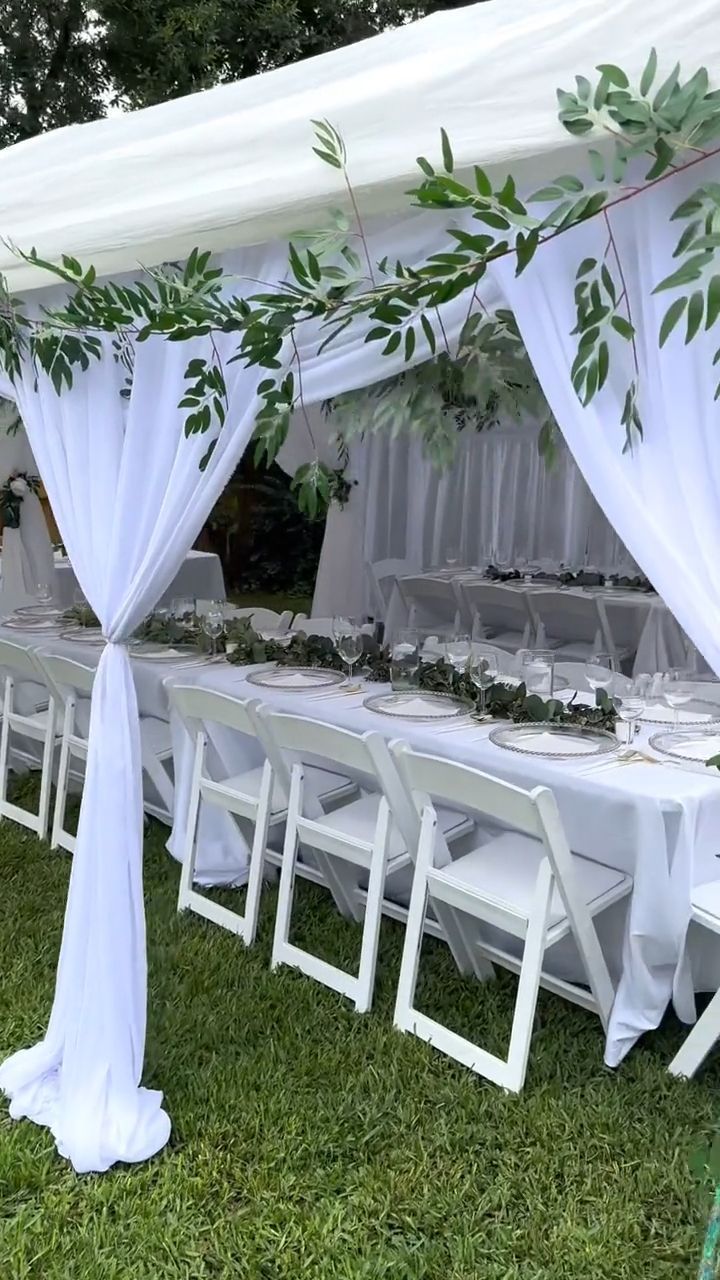
Decorations for an outdoor setting should complement the natural landscape rather than compete with it. Utilize elements like draping, florals, and candles to define spaces and add romance. Securing all decor is vital; weights for centerpieces and heavy bases for arches ensure that wind does not turn your beautiful setup into a hazard. Choosing linens and colors that suit the terrain and sky creates a cohesive and polished look that feels intentional and elegant.




Related Articles

The Ultimate Guide to Hosting an Outdoor Event: Tips, Checklist & Ideas
Hosting an outdoor event offers a unique blend of fresh air, natural beauty, and a sense of spacious freedom that indoor gatherings often cannot replicate...

The Ultimate Guide to Catering a Wedding Reception: Menus, Costs & Tips
Planning how to cater a wedding reception is less about executing a simple meal and more about orchestrating a seamless guest experience. From the first bite...

The Ultimate Guide to Planning the Perfect Photo Wall: Tips & Ideas
Creating a photo wall is one of the most rewarding ways to transform a blank expanse of wall into a personal narrative. It turns a passive surface into a...

Ultimate Pre-Wedding Groom Guide: Look & Feel Amazing for Your Big Day
Unique Pre-Wedding Ideas for Grooms: Make Your Big Day Unforgettable As a groom, you have a significant role to play in making your wedding day exceptional...

Backyard Graduation Party Ideas for High School: Ultimate Outdoor Celebration Guide
As the school year comes to an end, it's time to celebrate your high school graduate's achievements with a memorable backyard graduation party. Creating a...

The Ultimate Mother of the Bride Wedding Checklist: Your Step-by-Step Guide
Organizing a wedding is a profound journey, and for the mother of the bride, it often represents one of the most meaningful roles in the entire process. You...