How to Plant Succulents for Beginners: The Ultimate Step-by-Step Guide
Planting succulents is one of the most rewarding hobbies for new gardeners, offering a low-maintenance way to bring texture, color, and life to any space. These drought-tolerant plants store water in their leaves and stems, making them incredibly resilient, but they do require specific care to thrive indoors or in a garden. This guide walks you through the entire process, from selecting the right specimens to post-planting care, ensuring your setup is both beautiful and sustainable.
Success with succulents starts long before you place them in soil. Understanding their natural habitat—arid, sun-drenched regions with lean, well-draining soil—is key to replicating those conditions in your own home or garden. Beginners often lose plants to overwatering or poor drainage, but by following a structured approach, you can avoid these common pitfalls and build confidence as a plant parent.
Choosing the Right Succulents for Beginners
Not all succulents are created equal, and some varieties are far more forgiving for newcomers than others. When shopping, look for species known for their hardiness and adaptability to indoor environments. These resilient plants are less likely to show immediate stress, giving you time to learn proper care without the pressure of a fragile specimen.


Top Recommendations for New Plant Owners
- Jade Plant (Crassula ovata) – A classic with thick, woody stems and glossy leaves that tolerates a range of conditions.
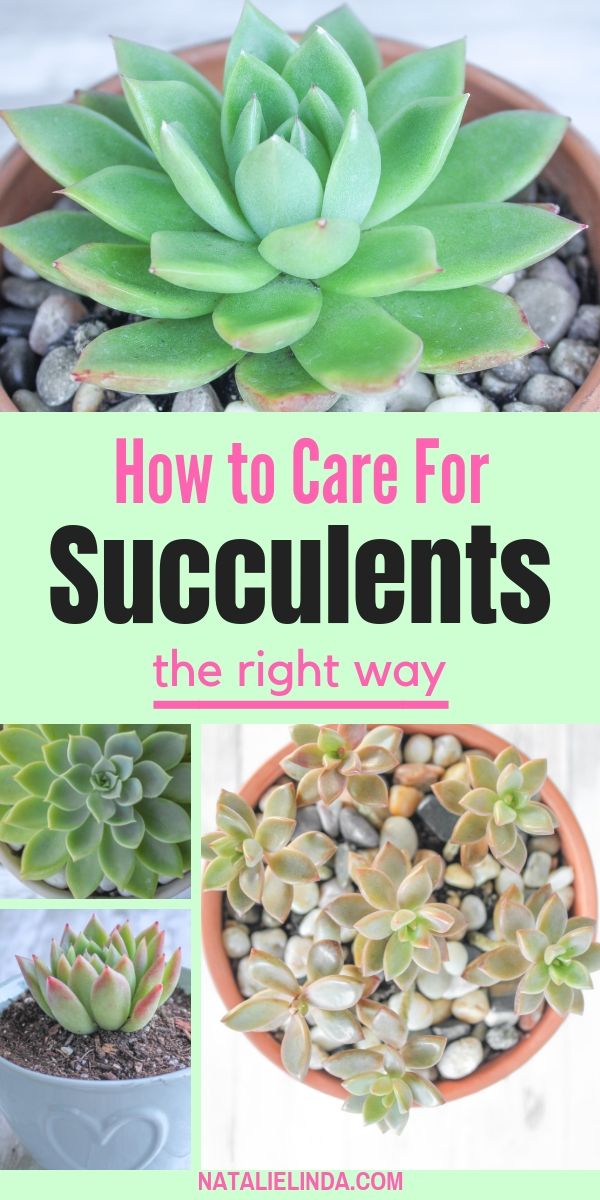
- Echeveria – Rosette-shaped plants available in stunning colors, ideal for containers and easy to propagate.
- Zebra Haworthia (Haworthiopsis attenuata) – Striking white-striped foliage that thrives in indirect light.
- Burro’s Tail (Sedum morganianum) – A trailing beauty perfect for hanging baskets and very low-maintenance.
- Aloe Vera – Valued for both its aesthetic appeal and medicinal properties, it’s nearly impossible to kill.
- Panda Plant (Kalanchoe tomentosa) – Soft, fuzzy leaves with bold markings that add texture to any arrangement.
Selecting the Perfect Pot and Soil
The right container and growing medium are just as important as the plant itself. Because succulents hate “wet feet,” the pot must have at least one drainage hole to prevent water from pooling at the bottom. Terracotta or unglazed clay pots are excellent choices for beginners, as they wick away moisture and reduce the risk of root rot.
Soil Requirements for Healthy Growth
Standard potting soil retains too much water for succulents and will likely lead to fungal issues or collapse. Instead, use a specialized cactus or succulent mix, or create your own blend by combining potting soil with inorganic materials like perlite, pumice, or coarse sand. This ensures airflow around the roots and allows the soil to dry quickly between waterings.


| Pot Material | Pros | Cons |
|---|---|---|
| Terracotta | Dries out faster, may crack in freezing temps | |
| Ceramic with Drainage | Attractive, moisture-retentive | Heavier, requires careful watering |
| Glass or Plastic | Durable, modern look | Retains moisture longer; monitor watering closely |
Planting Your Succulents Step by Step
Once you have your plants, pot, and soil ready, it’s time to plant. Begin by filling the bottom third of the container with soil, then gently removing the succulent from its nursery pot. Shake off excess soil from the roots and inspect them for any signs of rot or damage. If you’re repotting a plant from a decorative cachepot, place it inside the outer container first to avoid getting soil on the décor.
Watering and Initial Aftercare
One of the most misunderstood aspects of succulent care is watering. These plants prefer a “soak and dry” method, meaning you should water thoroughly until it runs out of the drainage holes, then allow the soil to dry completely before watering again. For beginners, sticking a finger into the soil or using a moisture meter can help determine when it’s time to hydrate again.


After planting, avoid watering immediately for three to seven days. This waiting period gives any root damage time to callus over, reducing the chance of infection. Once established, place your succulents in a sunny spot that receives at least four to six hours of bright, indirect or direct light daily. Rotate the pot occasionally to promote even growth and prevent leaning.
Ongoing Maintenance and Troubleshooting
Even low-maintenance plants benefit from regular attention. Keep an eye out for common issues like elongated stems, discolored leaves, or mushy spots, which often signal too much water or insufficient light. Pruning leggy growth and removing dead leaves not only improves appearance but also encourages healthier new growth.
Fertilize sparingly during the growing season (spring and summer) with a diluted, balanced fertilizer designed for cacti and succulents. Avoid feeding in the dormant fall and winter months, when the plants naturally slow down. With consistent care and attention to their needs, your succulents will reward you with years of beauty and simplicity.


Related Articles

The Ultimate Guide to Planting Succulents in Pots: A Step-by-Step Tutorial
Planting succulents in a pot is an excellent way to bring low-maintenance beauty into your home or garden. Unlike thirsty annuals, these drought-tolerant...

The Ultimate Guide to Planting Zinnias from Seed Indoors: A Step-by-Step Tutorial
Starting zinnias from seed indoors is a rewarding strategy for gardeners who want a head start on the blooming season. By sowing seeds in a controlled...

How to Plant Eastern Redbud Trees: The Ultimate Step-by-Step Guide
Planting an Eastern Redbud (Cercis canadensis) is a rewarding endeavor that transforms a standard garden into a seasonal spectacle. This native North American...

Painting Interior Walls for Beginners: The Ultimate Step-by-Step Guide
Painting Interior Walls: A Beginner's Guide Embarking on your first interior painting project can be an exciting yet daunting task. With the right guidance and...

The Best Soil for Succulents: Ultimate Guide to Perfect Drainage
Selecting the right soil is the single most critical factor in determining whether your succulents will thrive or merely survive. While these resilient plants...
The Ultimate Guide to Planting Succulents Together: Stunning Combinations & Care Tips
Creating a Succulent Garden: A Step-by-Step Guide to Planting Succulents Together Succulents are a delightful addition to any garden or indoor space, known for...