How to Make a Heated Bathroom Floor: DIY Guide & Installation Tips
Transform Your Morning Routine: A Comprehensive Guide to Heating Your Bathroom Floor
Imagine stepping out of your shower onto a warm, inviting floor on a chilly winter morning. Heated bathroom floors, also known as radiant floor heating, can turn this dream into a reality. This guide will walk you through the process of installing a heated bathroom floor, ensuring a comfortable and safe bathroom experience.
Understanding Radiant Floor Heating
Radiant floor heating works by distributing heat evenly throughout the room, creating a comfortable environment with no cold spots. It's a highly efficient and cost-effective way to heat your bathroom, as it reduces heat loss and eliminates the need for traditional heating systems like baseboard heaters or forced-air systems.
Types of Radiant Floor Heating Systems
- Electric Systems: These systems use electric cables or mats embedded in the floor to generate heat. They're easy to install and can be used with various flooring types.
- Hydronic Systems: These systems circulate hot water through pipes embedded in the floor. They're more complex to install but offer higher efficiency and lower operating costs.
Assessing Your Bathroom for Heated Floors
Before you begin, assess your bathroom's suitability for heated floors. Consider the following:


- **Floor Construction:** Radiant floor heating works best with concrete slabs or plywood subfloors. If your bathroom has a suspended wooden floor, you may need additional support.
- **Flooring Type:** Most flooring types can be used with heated floors, but some, like vinyl, may require additional precautions to prevent warping.
- **Moisture Levels:** Bathrooms are prone to moisture. Ensure your floor is dry and that any moisture barriers are in place to prevent damage to the heating system.
Installing Electric Heated Floors
Electric heated floors are the easiest to install. Here's a step-by-step guide:
- Prepare the subfloor by ensuring it's clean, dry, and level.
- Install a moisture barrier to protect the heating system from moisture.
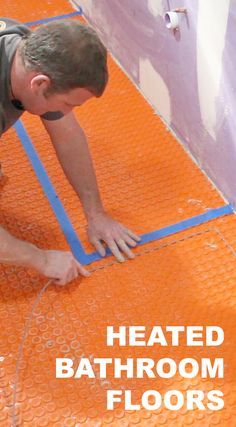
- Install the electric heating mats or cables according to the manufacturer's instructions, ensuring they're evenly spaced.
- Connect the heating system to a thermostat and a power source.
- Test the system to ensure it's working correctly.
- Install your chosen flooring over the heating system.
Installing Hydronic Heated Floors
Hydronic heated floors are more complex to install but offer higher efficiency. Here's a simplified guide:


- Prepare the subfloor and install a moisture barrier.
- Install the plumbing manifold and connect it to your home's water supply and heating system.
- Lay out the PEX pipes in a loop, ensuring they're evenly spaced and not kinked or twisted.
- Connect the pipes to the manifold and test the system for leaks.
- Install a thermostat to control the system.
- Install your chosen flooring over the heating system.
Safety and Maintenance
Regular maintenance is crucial to ensure the longevity and safety of your heated bathroom floor. Here are some safety tips and maintenance tasks:
- **Safety:** Always follow manufacturer instructions and local building codes. Never install a heating system yourself if you're not confident in your abilities. Always hire a professional if needed.
- **Maintenance:** Regularly inspect your floor for any signs of damage or wear. Keep the area around the thermostat clean and free of debris. Flush your hydronic system annually to remove any sediment.
Conclusion
Heated bathroom floors can significantly enhance your bathroom experience, providing comfort and warmth on even the coldest days. With careful planning and installation, you can enjoy the benefits of radiant floor heating for years to come. Always remember to prioritize safety and follow manufacturer instructions for the best results.




Related Articles
Ideal Heated Bathroom Floor Temperature: SEO Guide & Safety Tips
When it comes to creating a comfortable and inviting bathroom space, heated floors are a luxurious and practical addition. But what temperature should heated...

Modern Bathroom Floor Plan With Dimensions: Design Tips & Size Guide
Designing a modern bathroom begins with a precise floor plan that accounts for both aesthetics and functionality. The dimensions you choose will dictate...

Polished Tile Bathroom Floor: Stunning Design & Installation Guide
Can You Put Polished Tile on a Bathroom Floor? A Comprehensive Guide When it comes to bathroom flooring, durability, slip resistance, and aesthetics are all...
Is Bathroom Floor Heating Worth It? The Ultimate 2024 Guide to Heated Floors
Bathroom Floor Heating: A Comprehensive Guide to Comfort and Cost In the quest for a perfect bathroom, one feature that often gets overlooked is floor heating...
Effortless Radiant Heat: The Ultimate Guide on How to Install Heated Tile Floor in Bathroom
Installing Heated Tile Floor in Your Bathroom: A Comprehensive Guide Transform your bathroom into a cozy, luxurious retreat with a heated tile floor. This...

Radiant Heat: The Ultimate Heated Concrete Bathroom Floor Guide
Experience Comfort and Efficiency with Heated Concrete Bathroom Floors Imagine stepping out of your shower on a chilly morning, your feet meeting a warm...