Laying Pavers with Fake Grass: The Ultimate Step-by-Step Guide
Transform your outdoor space into a low-maintenance, lush oasis by combining the durability of pavers with the convenience of fake grass. This comprehensive guide will walk you through the process of laying pavers with fake grass, ensuring a stunning and long-lasting result.
Benefits of Combining Pavers and Fake Grass
Before we dive into the installation process, let's explore the advantages of using pavers and fake grass together:
- Low maintenance: Say goodbye to mowing, watering, and fertilizing your lawn.
- Durability: Pavers are long-lasting and can withstand heavy foot traffic and harsh weather conditions.
- Versatility: Create unique patterns and designs by combining different paver shapes and colors with various fake grass types.
- Environmentally friendly: Fake grass helps reduce water usage and carbon emissions associated with lawn maintenance.
Materials and Tools Needed
Gather the following materials and tools before you begin your project:


- Pavers (ensure they are compatible with fake grass)
- Fake grass rolls
- Gravel (for base layer)
- Sand (for leveling and setting)
- Weed barrier fabric
- Landscape fabric staples
- Rubber mallet
- Tape measure
- Level
- Shovel
- Rake
- Garden gloves
Step-by-Step Guide to Laying Pavers with Fake Grass
1. Prepare the Site
Start by clearing the area of any existing vegetation, rocks, or debris. Ensure the ground is level and compacted using a plate compactor if necessary.
2. Install the Base Layer
Lay down a weed barrier fabric to prevent weeds from growing through your paver and fake grass installation. Spread a 2-3 inch layer of gravel evenly over the fabric, using a rake to ensure an even distribution. Compact the gravel using a plate compactor or a heavy object like a piece of wood and a rubber mallet.


3. Add the Sand Layer
Cover the gravel layer with a 1-inch layer of sand, spreading it evenly using a rake. Level the sand using a straight edge or a 2x4 board, ensuring a smooth and even surface for laying your pavers.
4. Lay the Pavers
Begin laying your pavers in the desired pattern, starting from a straight edge such as a wall or the house. Use a rubber mallet to tap down each paver, ensuring they are level and tightly fitted together. Apply slight pressure on the joints to create a snug fit.
5. Add the Setting Sand
Pour sand over the pavers, sweeping it into the joints using a broom. Ensure the joints are completely filled with sand, creating a stable and secure surface. Remove any excess sand from the paver surface.
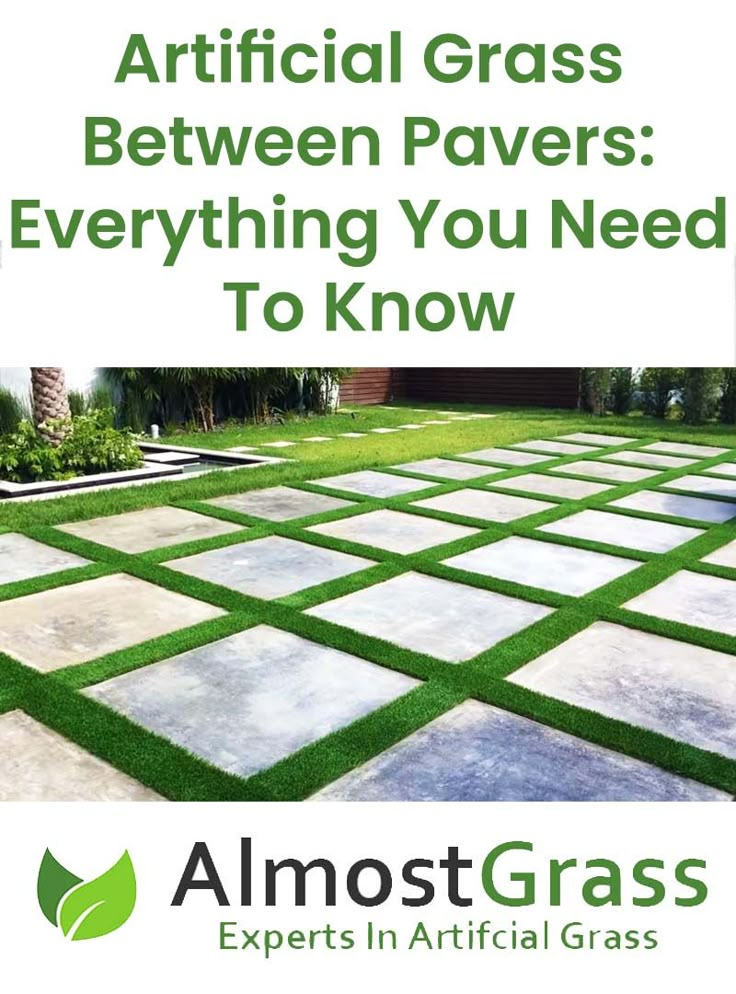


6. Install the Fake Grass
Measure and cut the fake grass rolls to fit your paver layout. Lay the rolls over the pavers, ensuring they are properly aligned and butted together. Secure the edges of the fake grass rolls to the ground using landscape fabric staples.
7. Final Touches
Sweep sand over the fake grass, ensuring it is evenly distributed and filling any gaps between the grass blades. This will help stabilize the fake grass and create a more natural appearance. Trim any excess grass from the edges using a sharp knife or scissors.
Maintenance Tips
To keep your paver and fake grass installation looking its best, follow these maintenance tips:


- Regularly sweep or blow off debris from the pavers and fake grass to prevent staining and maintain drainage.
- Inspect the installation periodically for any signs of wear or damage, addressing issues promptly to prevent further problems.
- Rinse the fake grass with water occasionally to remove any dirt or residue, helping to maintain its vibrant color and appearance.
Related Articles

The Ultimate Guide to a Stunning Front Yard with Fake Grass: Low-Maintenance Beauty
Transform Your Front Yard with Fake Grass: A Comprehensive Guide In today's fast-paced world, maintaining a lush, green lawn can be a challenge. Between work...

Install Artificial Turf with Pavers: The Ultimate Step-by-Step Guide
Transform Your Outdoor Space: A Comprehensive Guide to Installing Artificial Turf with Pavers Artificial turf and pavers are two versatile landscaping...
How to Lay Pavers with Artificial Grass In Between: A Step-by-Step Guide
Laying Pavers with Artificial Grass: A Comprehensive Guide Combining the durability of pavers with the lushness of artificial grass creates a stunning...

The Ultimate Guide to Laying Artificial Grass on Patio: Step-by-Step DIY Tutorial
Transform Your Patio: A Comprehensive Guide to Laying Artificial Grass Are you tired of the constant maintenance and upkeep of a natural grass patio?...

The Ultimate Guide to Laying Artificial Grass with a Wooden Border
Transform Your Outdoor Space: A Comprehensive Guide to Laying Artificial Grass with a Wooden Border Are you tired of maintaining a natural lawn or want to add...

DIY Fake Flower Corsage Tutorial: Step-by-Step Guide
Crafting Your Own Corsage with Fake Flowers: A Step-by-Step Guide Creating a corsage using artificial flowers is a fun and rewarding DIY project that allows...