How to Install Artificial Grass on Pavers: Step-by-Step Guide
Transforming Your Paver Patio: A Step-by-Step Guide to Installing Artificial Grass
Are you tired of the monotonous look of pavers and yearning for a lush, green lawn? Installing artificial grass on top of pavers might just be the perfect solution. Not only does it add a touch of nature to your outdoor space, but it also provides a comfortable surface for lounging and playing. Here's a comprehensive, step-by-step guide to help you achieve this transformation.
Preparation: Gather Your Tools and Materials
Before you start, ensure you have all the necessary tools and materials at hand. Here's a list to help you prepare:
- Artificial grass rolls
- Weed barrier fabric
- Paver adhesive or construction glue
- Sharp knife or turf cutter
- Rubber mallet
- Tape measure
- Chalk line
- Seaming tape and adhesive (if necessary)
- Infill material (sand or rubber crumb)
- Broom or power brush
Clearing the Surface: Remove Debris and Weeds
Start by thoroughly cleaning the paver surface. Remove any debris, dirt, or weeds that might interfere with the adhesion of the artificial grass. If there are any cracks or uneven areas, fill them with paver adhesive or construction glue to create a smooth surface.


Laying the Weed Barrier: Preventing Unwanted Growth
Lay down a layer of weed barrier fabric over the pavers. This will prevent weeds from growing through your new artificial lawn. Ensure the fabric is well-secured, especially at the edges, to prevent it from shifting during installation.
Measuring and Cutting: Achieving a Perfect Fit
Measure the area where you'll be installing the artificial grass. Cut the rolls to size using a sharp knife or turf cutter, ensuring a snug fit. If you need to join two pieces, use seaming tape and adhesive to create a seamless transition.

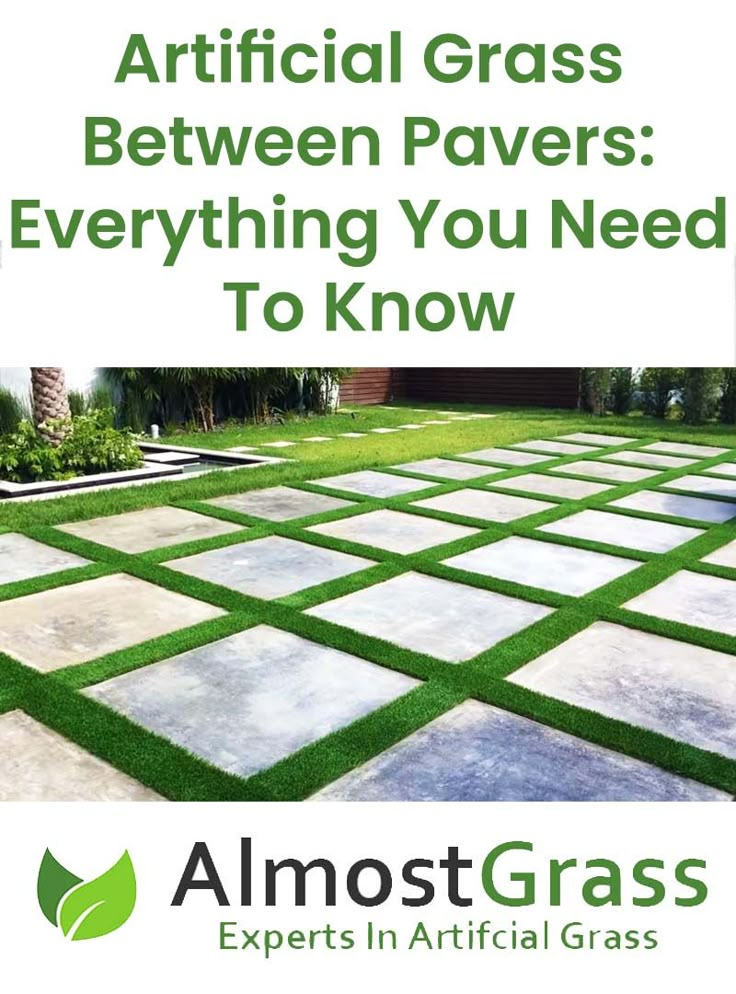

Installing the Artificial Grass: Creating Your Lawn
Start at one corner of the paver area and roll out the artificial grass. Use a tape measure and chalk line to ensure straight edges. Apply paver adhesive or construction glue along the edges of the pavers to secure the grass in place. Use a rubber mallet to gently tap down the edges, ensuring a secure bond.
Continue rolling out the artificial grass, securing it to the pavers as you go. Make sure to stretch the grass slightly to eliminate any wrinkles or waves. If you need to cut around obstacles like trees or posts, use a sharp knife or turf cutter to create clean, precise edges.
Adding Infill: Enhancing Stability and Longevity
Once the artificial grass is securely installed, it's time to add infill. This not only weighs down the grass to prevent it from moving but also helps maintain its shape and durability. Use a broom or power brush to evenly distribute the infill material (sand or rubber crumb) across the surface. Ensure the infill reaches the recommended depth for your specific artificial grass type.


Final Touches: Enjoying Your New Lawn
After adding the infill, give your new lawn a final brush to ensure the infill is well distributed and the grass fibers are standing upright. Your artificial grass installation is now complete! Enjoy your lush, green lawn without the hassle of maintenance.
Remember, regular cleaning and occasional maintenance will help keep your artificial grass looking its best. Happy transforming!


Related Articles

Install Artificial Turf with Pavers: The Ultimate Step-by-Step Guide
Transform Your Outdoor Space: A Comprehensive Guide to Installing Artificial Turf with Pavers Artificial turf and pavers are two versatile landscaping...
How to Lay Pavers with Artificial Grass In Between: A Step-by-Step Guide
Laying Pavers with Artificial Grass: A Comprehensive Guide Combining the durability of pavers with the lushness of artificial grass creates a stunning...

How to Lay Artificial Grass on Decking: Step-by-Step Guide
Transforming Your Decking: A Comprehensive Guide to Laying Artificial Grass Are you looking to enhance your outdoor space by adding a touch of green to your...

" How to Install Paver Edging: A Step-by-Step Guide
Mastering the Art of Edging Pavers: A Comprehensive Guide Edging pavers is a crucial step in creating a polished, professional look for your hardscaping...
The Ultimate DIY Guide: How to Install Artificial Grass at Home Like a Pro
Transform Your Outdoor Space: A Comprehensive Guide to Installing Artificial Grass at Home Are you tired of maintaining a natural lawn that's prone to pests...

How to Install Lights in Pavers: A Step-by-Step Guide
Installing lights in pavers is a transformative project that elevates the safety and aesthetic of any outdoor space. This method involves embedding specialized...