Easy Step-by-Step Guide: How to Draw a Landscape for Beginners
Mastering Landscape Drawing: A Simple Step-by-Step Guide
Embarking on a journey to capture the beauty of landscapes in your art can be an incredibly rewarding experience. This easy step-by-step guide will help you develop your skills and create stunning landscapes, no matter your current skill level.
Gather Your Materials
Before you begin, ensure you have the right tools for the job. For this guide, you'll need:
- Drawing paper or canvas
- Pencils (HB, 2B, 4B, and 6B)
- Eraser
- Sharpener
- Optional: Kneaded eraser and blending stump
Find Your Inspiration
Look around you for inspiration - it could be a beautiful view from your window, a photograph, or even a painting. Having a reference point will help you stay focused and capture the essence of the landscape.


Understand the Basic Elements
Landscapes are composed of several basic elements: the horizon, sky, foreground, and middle ground. Understanding how these elements interact with each other is key to creating a balanced and harmonious scene.
Horizon
The horizon is the point where the earth meets the sky. It's the foundation of your landscape and should be drawn first. To create perspective, the horizon line should be straight and level.


Sky
The sky can be as simple or as complex as you like. It can be a clear blue expanse or a dramatic storm cloud. Remember, the sky should always be lighter than the land, as it reflects the light from the sun.
Foreground, Middle Ground, and Background
The foreground is the closest part of the landscape to the viewer. It's usually the most detailed and should be drawn with the darkest shades. The middle ground is the area between the foreground and the horizon, while the background is the farthest part of the landscape.
Start with Basic Shapes
Begin by drawing the basic shapes of the landscape - hills, trees, and buildings. Don't worry about details at this stage; just focus on capturing the overall composition. Use light, quick strokes with your pencil to establish these shapes.


Build Up Shading
Once you're happy with your basic shapes, start to build up shading using a 2B or 4B pencil. Remember, shading is what gives your drawing depth and form. Here's a simple way to approach it:
| Step | Action |
|---|---|
| 1 | Lightly sketch the darkest areas of your landscape. |
| 2 | Gradually build up shading, using lighter strokes for mid-tones and darker strokes for shadows. |
| 3 | Use a kneaded eraser to lift out highlights, creating a sense of light and depth. |
Add Details and Refine
Now that you have the basic shading in place, you can start to add details and refine your drawing. Use a sharp HB pencil for fine details and a blending stump to smooth out any harsh lines. Don't forget to sign your masterpiece!
Landscape drawing is a skill that improves with practice. Don't be disheartened if your first attempts aren't perfect - keep practicing, and you'll see your skills improve over time. Happy drawing!


Related Articles

Easy Acrylic Landscape Painting for Beginners: Step-by-Step Guide
Easy Acrylic Landscape Painting for Beginners: Step by Step Embarking on a creative journey with acrylic painting can be an incredibly rewarding experience...

Easy Snowflake Drawing: Step-by-Step Guide for Perfect Flakes
Embarking on a creative journey to capture the essence of winter's magic in a single stroke? Drawing a snowflake might seem daunting, but with our easy...

Easy Wood Project Ideas for Beginners: Step-by-Step Guide
Embarking on your first woodworking journey can feel intimidating, but the right project transforms hesitation into hands-on confidence. This collection of...
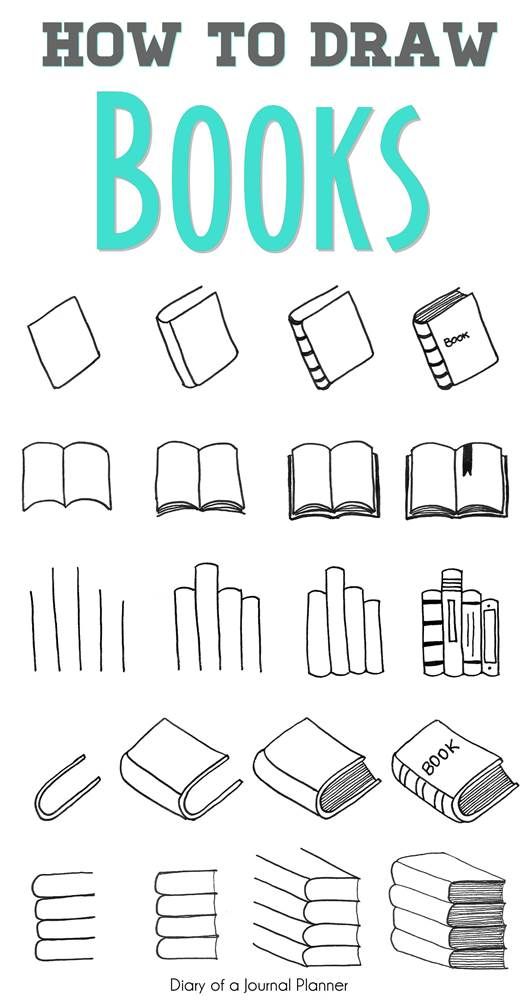
How to Draw a Book Step by Step: Easy Guide for Beginners
Mastering the Art of Book Drawing: A Step-by-Step Guide Embarking on a journey to draw a book can be an exciting and rewarding experience. Whether you're a...
How to Draw a Landscape Step by Step: Easy Guide
Mastering Landscape Drawing: A Step-by-Step Guide Embarking on a journey to capture the beauty of nature on paper is an exciting endeavor. Landscape drawing...

Draw a Simple Pumpkin: Easy Step-by-Step Guide for Beginners
Drawing a Simple Pumpkin: A Step-by-Step Guide Autumn is in the air, and with it comes the iconic symbol of the season - the pumpkin. Whether you're an...