How to Draw a Landscape Easy and Beautiful: Step-by-Step Guide
Mastering Landscape Drawing: Easy and Beautiful Techniques
Embarking on a journey to capture the beauty of landscapes in your drawings can be an incredibly rewarding experience. Whether you're a beginner or an experienced artist looking to improve your skills, this guide will help you draw landscapes easily and beautifully. Let's dive into the world of landscape drawing and explore the techniques that will help you create stunning artwork.
Understanding the Basics of Landscape Drawing
Before we delve into the drawing techniques, it's essential to understand the fundamental elements of landscape drawing. Landscapes are composed of three primary elements: the sky, the land, and the foreground. Each of these elements plays a crucial role in creating depth and atmosphere in your drawing.
- Sky: The sky can significantly impact the mood of your landscape. It can be as simple as a single color or as complex as a dramatic sunset with multiple hues.
- Land: This is the main subject of your drawing, which could be a mountain range, a forest, or a rolling hill. The land provides the structure and focal point of your artwork.
- Foreground: The foreground is the area closest to the viewer and helps to create a sense of depth. It can include elements like trees, flowers, or a winding path.
Choosing the Right Materials
Selecting the appropriate materials is crucial for creating beautiful landscape drawings. Here are some essential tools you'll need:


| Material | Purpose |
|---|---|
| Pencil | For initial sketching and creating basic shapes and forms. |
| Charcoal | For creating dark, rich tones and adding depth to your drawing. |
| Eraser | For correcting mistakes and lightening areas of your drawing. |
| Paper | Choose a smooth, acid-free paper that's suitable for your chosen medium. |
| Blending Tools | For creating smooth transitions between colors and tones. |
Easy and Beautiful Landscape Drawing Techniques
1. Sketching the Basic Shapes
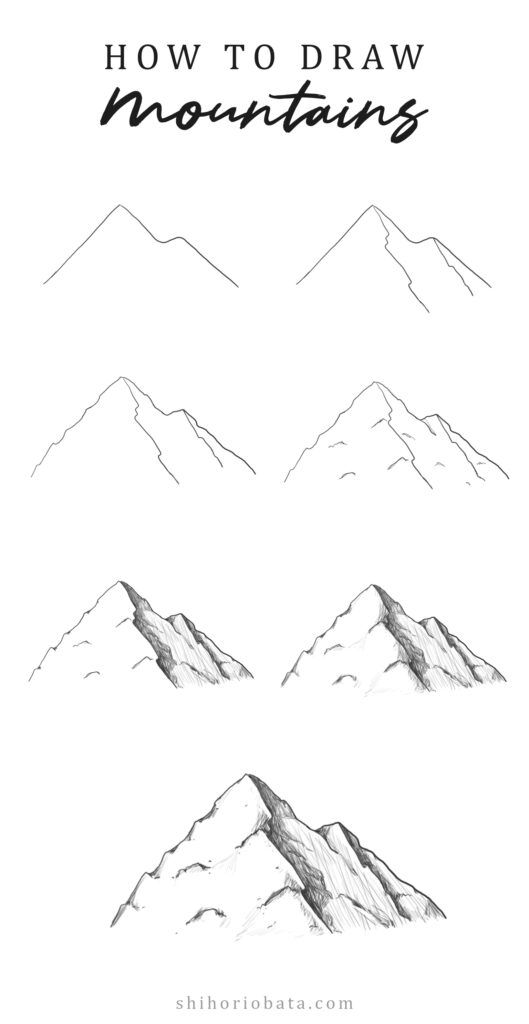
Begin by sketching the basic shapes and forms of the landscape using a pencil. Don't worry about creating perfect lines at this stage; the goal is to capture the overall composition and structure of the scene.
2. Building Up Tones
Once you're satisfied with your initial sketch, start building up the tones using a charcoal pencil or a graphite pencil with a dark lead. Begin with the darkest areas of the landscape and gradually lighten the tones as you move towards the foreground.


3. Adding Depth with Shading
To create a sense of depth and dimension in your drawing, use shading techniques to model the forms of the landscape. Darken the areas where objects cast shadows, and lighten the areas that are directly lit by the sun. This will help to create a sense of volume and perspective in your artwork.
4. Incorporating Texture
Adding texture to your landscape drawing can help to create a sense of realism and depth. Use different hatching and cross-hatching techniques to create the appearance of different surfaces, such as grass, trees, or rocks. Vary the direction and spacing of your lines to create different textures and patterns.
5. Refining the Details
As you progress with your drawing, begin to refine the details and add more intricate elements. Use a sharp pencil to create fine lines and delicate features, such as tree branches or blades of grass. Be sure to maintain a consistent level of detail throughout your drawing to create a sense of harmony and balance.




6. Blending for Smooth Transitions
To create smooth transitions between colors and tones, use a blending tool, such as a tortillon or a blending stump, to smudge and blend the charcoal or graphite. This technique is particularly useful for creating the appearance of smooth surfaces, such as the sky or water.
Tips for Drawing Landscapes Beautifully
- Study Real-Life Landscapes: Spend time observing and sketching real-life landscapes to improve your drawing skills and understanding of perspective.
- Experiment with Different Mediums: Try using different mediums, such as pastels, watercolors, or colored pencils, to create a variety of textures and effects in your landscape drawings.
- Practice Regularly: Like any skill, the more you practice drawing landscapes, the better you'll become. Set aside dedicated time each week to work on your drawing skills.
- Seek Feedback: Share your artwork with others and seek their feedback. Constructive criticism can help you identify areas for improvement and refine your techniques.
Drawing landscapes can be a challenging yet rewarding experience. By understanding the fundamentals of landscape drawing, choosing the right materials, and practicing the techniques outlined in this guide, you'll be well on your way to creating beautiful and captivating artwork. So grab your pencils and paper, and let the creative journey begin!


Related Articles

Master Landscape Plan on Computer: Easy Step-by-Step Guide
Creating a Landscape Plan on the Computer: A Step-by-Step Guide In today's digital age, designing a landscape plan has become more accessible and efficient...

Easy & Beautiful Simple Cake Drawing with Colour – Step-by-Step Guide
Unleash Your Creativity: Simple Cake Drawing with Color Cake decorating is an art form that allows you to express your creativity and impress your loved ones...

How to Draw a Cauldron for Kids: Easy Step-by-Step Guide
Drawing a cauldron is a fantastic way to introduce children to simple shapes while sparking their imagination for magical stories. This beginner-friendly...

Easy Snowflake Drawing: Step-by-Step Guide for Perfect Flakes
Embarking on a creative journey to capture the essence of winter's magic in a single stroke? Drawing a snowflake might seem daunting, but with our easy...

Simple Pumpkins to Draw: Easy Step-by-Step Guide
Unleash Your Creativity: Simple Pumpkins to Draw Autumn is upon us, and with it comes the delightful season of pumpkin carving, painting, and drawing. Whether...

Master How to Draw a Waterfall Landscape: Step-by-Step Guide
Capturing the Majesty of Nature: A Step-by-Step Guide to Drawing a Waterfall Landscape Embarking on a creative journey to capture the beauty of a waterfall...