"Clean Glass Decanter with Vinegar: Easy Steps"
Maintaining a crystal clear glass decanter is essential for both aesthetic appeal and hygiene, especially for those who enjoy hosting gatherings or savoring a single malt whisky. Over time, oils from fingerprints, mineral deposits from water, and residual liquid can cloud the glass, diminishing its elegant transparency. Fortunately, one of the most effective and accessible solutions for restoring brilliance is also one of the simplest: white vinegar. Its mild acidic properties cut through grime without scratching the delicate surface, making it an ideal natural cleaner for this sophisticated vessel.
The Science Behind Vinegar’s Cleaning Power
To understand why this method works so well, it is helpful to look at the chemistry involved. The primary component of distilled white vinegar is acetic acid, which interacts with alkaline residues often found in hard water stains and organic buildup. This acid neutralizes the mineral deposits, breaking them down into a soluble form that can be easily rinsed away. Unlike harsh chemical abrasives, vinegar cleans gently, ensuring that the integrity and polish of the glass remain uncompromised throughout the process.
Preparing Your Cleaning Solution
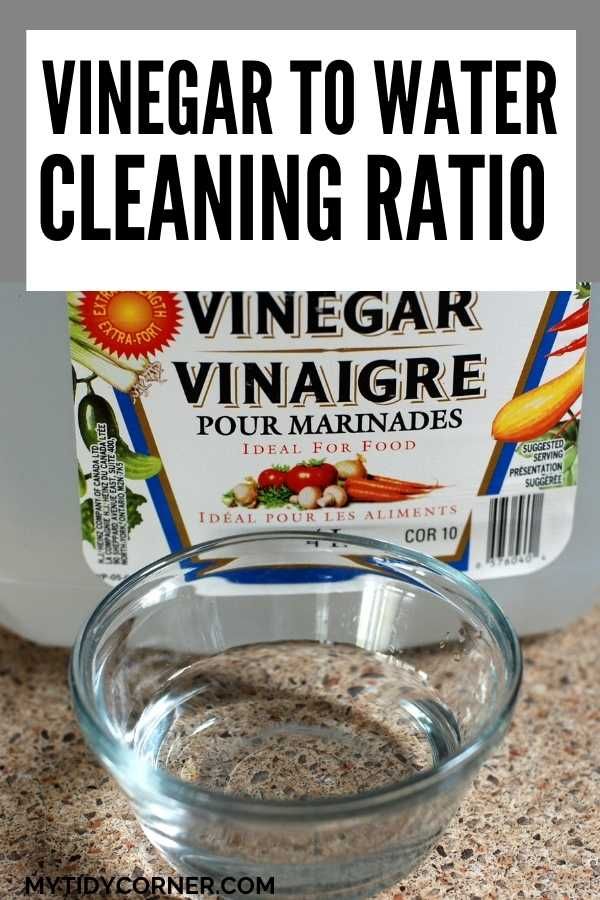
Creating an effective cleaning mixture requires a specific ratio to ensure potency without causing damage to the glass. A standard blend involves equal parts of warm water and white vinegar, though tougher stains may benefit from a slightly higher concentration of vinegar. It is crucial to avoid using apple cider or balsamic vinegar, as these varieties contain sugars and pigments that could leave behind a sticky residue or discoloration, ultimately working against your goal of clarity.


Step-by-Step Cleaning Process
The application of the solution is just as important as the mixture itself. Due to the narrow neck and intricate shape of most decanters, traditional washing techniques are often insufficient. To achieve a thorough clean without risking cracks or chips, follow this method:
- Pour the prepared vinegar solution into the decanter, ensuring it reaches all areas of the interior.
- Add a small amount of uncooked rice or baking soda to act as a gentle abrasive.
- Securely cover the opening with your hand or a cork, then agitate the vessel vigorously to scrub the sides.
- Allow the solution to sit for several minutes to dissolve any stubborn film.
- Rinse thoroughly with warm water until the scent of vinegar is completely gone.
Tackling Stubborn Stains and Residue
Addressing Mineral Deposits
If your decanter exhibits a cloudy film or white spots, specifically hard water stains, you may need to deploy a more targeted approach. For these persistent mineral deposits, consider using a paste made from baking soda and vinegar. Apply the paste directly to the stained areas using a soft cloth or non-abrasive sponge, let it sit for a few minutes to allow the chemical reaction to lift the grime, and then rinse. This method provides the necessary friction to remove the buildup without scratching the glass.


Cleaning the Neck and Base
Often, the most visible areas of dirt accumulate in the neck where the glass meets the stopper, or at the base where dust settles. Do not neglect these sections. Utilize a cotton swab or a bottle brush dampened with the vinegar solution to reach these tight spots. Wiping the exterior with a microfiber cloth slightly dampened with pure vinegar will also restore the gleam to the surface, ensuring the entire piece looks polished and new.
Drying and Polishing for Perfection
How you dry the decanter is just as critical as how you clean it. Air drying can often lead to water spots, particularly if you live in an area with hard water. To prevent this, use a lint-free cloth or a chamois leather to dry the interior and exterior immediately after rinsing. For an extra layer of brilliance, you can buff the glass lightly with a dry microfiber cloth. This final step removes any remaining streaks and enhances the refractive quality of the glass, allowing it to sparkle brilliantly when held up to the light.
Preventative Maintenance Strategies
To reduce the frequency of deep cleaning sessions, adopting a few simple habits can make a significant difference. Always rinse the decanter immediately after use to prevent liquids from sitting and staining the glass. If you plan to store the decanter for an extended period, ensure it is completely dry to prevent mold, but consider storing it with the stopper slightly ajar to avoid trapping odors. Regularly wiping down the exterior with a damp cloth prevents fingerprints from building up, making the maintenance process quick and effortless over time.



Related Articles
Sparkling Clean Decanter: The Ultimate Vinegar Soak Guide
Over time, a decanter accumulates oils, tannins, and microscopic glassware wear that water alone cannot dislodge. Vinegar provides a gentle, acidic solution...
How to Clean a Whiskey Decanter with Vinegar: Sparkling Shine Guide
Few things compare to the satisfying clarity of a properly cleaned whiskey decanter, the rich amber liquid held within a flawless crystal vessel. Over time...

Decorating a Cake with Roses: Stunning Designs & Easy Steps
Decorating Cakes with Roses: A Step-by-Step Guide Roses are a timeless and elegant choice for cake decoration, adding a touch of romance and sophistication to...

"Mouthwash Dispenser with Pump: Easy & Hygienic"
The mouthwash decanter with pump represents a significant evolution in oral care presentation and functionality, moving beyond the basic plastic bottle. This...

How to Share PowerPoint with Friends: Easy Steps Guide
Sharing a PowerPoint presentation with friends is a common task whether you are collaborating on a school project, preparing for a group meeting, or presenting...

Free DIY Tiered Plant Stand Plans With Easy Steps
Elevate Your Indoor Garden: DIY Tiered Plant Stand Plans Are you looking to create a lush, vertical garden in your home but don't want to break the bank? A DIY...