The Ultimate Step-by-Step Guide to Building a Tiered Garden on a Hill
Transforming a Hillside into a Stunning Tiered Garden
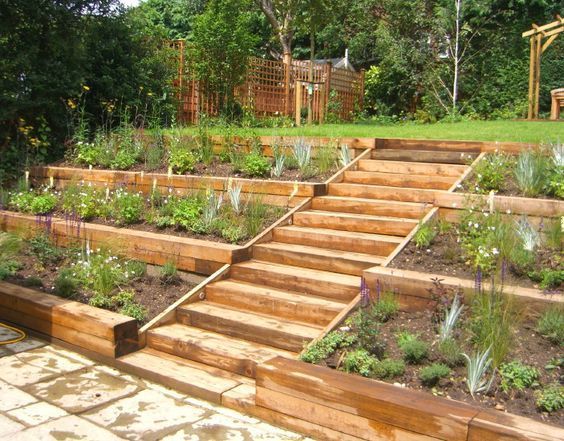
Embracing a hill in your landscape doesn't mean you're limited to a steep, grassy slope. With a bit of planning and effort, you can transform it into a stunning, tiered garden that's both functional and visually appealing. Here's a comprehensive guide to help you create a beautiful, terraced garden on a hill.
Understanding the Hillside
Before you start digging, take time to understand your hillside's unique characteristics. Assess its slope, soil type, sunlight exposure, and any existing vegetation. This understanding will guide your design and plant selection.
Slope and Soil
The slope's steepness will determine the size and number of tiers. A gentler slope can accommodate larger, fewer tiers, while a steeper slope may require smaller, more numerous tiers. As for soil, hillside soil is often thin and rocky. You may need to add topsoil and organic matter to create a suitable growing medium.


Sunlight Exposure
Knowing the sunlight exposure will help you choose plants that thrive in your garden's conditions. South-facing slopes receive the most sunlight, while north-facing slopes are the coolest and shadiest.
Designing Your Tiered Garden
With a clear understanding of your hillside, you can now create a design that complements its features. Here are some design elements to consider:


- Retaining Walls: These are essential for creating distinct tiers. They can be made from various materials like stone, wood, or concrete blocks.
- Stairs or Pathways: Access to your garden is crucial. Stairs or pathways can be built using the same materials as your retaining walls.
- Plant Selection: Choose plants that complement your garden's style and thrive in your hillside's conditions. Consider a mix of evergreens, perennials, and annuals for year-round interest.
- Hardscaping Elements: Incorporate features like benches, fountains, or statues to add visual interest and functionality.
Building Retaining Walls
Retaining walls are the backbone of your tiered garden. Here's a simple guide to building them:
Materials Needed
Concrete blocks, gravel, sand, landscape fabric, drainage pipe, and construction adhesive.
Steps
| Step | Action |
|---|---|
| 1 | Mark out the wall's footprint and dig a trench for the base. |
| 2 | Fill the trench with a layer of gravel for drainage, then cover it with landscape fabric. |
| 3 | Lay a bed of sand in the trench and level it. |
| 4 | Lay the first course of blocks, applying construction adhesive between each block. |
| 5 | Continue laying courses, staggering the joints for stability. Include a drainage pipe every few courses. |
| 6 | Backfill behind the wall with a mix of soil and gravel, compacting it as you go. |
Planting and Maintenance
Once your retaining walls are in place, it's time to plant and enjoy your new garden. Here are some final tips:


- Planting: Plant in the fall or spring, depending on your climate. Water thoroughly after planting.
- Mulching: Apply a layer of organic mulch to suppress weeds, retain moisture, and regulate soil temperature.
- Maintenance: Regularly prune plants, remove weeds, and water as needed. Keep an eye on your retaining walls, repairing any damage promptly.
Creating a tiered garden on a hill is a rewarding project that transforms a challenging landscape into a stunning, functional space. With careful planning and execution, you can enjoy your hillside garden for years to come.




Related Articles

The Ultimate Guide to Building a Stone Garden Wall: Step-by-Step Instructions
Building a Stone Garden Wall: A Comprehensive Guide Adding a stone garden wall to your landscape can enhance your outdoor space's aesthetic appeal and...

The Ultimate Guide to Building Garden Terraces: Step-by-Step Tutorial
Transforming your garden into a multi-level oasis with garden terraces isn't just an aesthetic upgrade, it's also a practical solution to make the most of...

How to Build a Flower Garden from Scratch: The Ultimate Step-by-Step Guide
Creating a flower garden from scratch is one of the most rewarding ways to transform an empty space into a vibrant sanctuary. It requires careful planning, but...

The Ultimate DIY Guide to Building Custom Bunk Beds || Step-by-Step Tutorial
Crafting Your Dream Sleeping Arrangement: A Comprehensive Guide to Building Custom Bunk Beds Embarking on a DIY project to build custom bunk beds can be an...
How to Build a Tiered Garden on a Slope: Step-by-Step Guide
Transforming Slopes into Stunning Tiered Gardens: A Comprehensive Guide Embracing a sloped yard doesn't mean you're limited to a monotonous landscape. With a...

The Ultimate Guide to Building a Vertical Wall Garden: DIY Tips & Ideas
Create a Lush Vertical Oasis: A Step-by-Step Guide to Building a Vertical Wall Garden Vertical wall gardens, also known as green walls, are a stunning and...