How to Build a Pallet Bed Frame: Easy DIY Guide
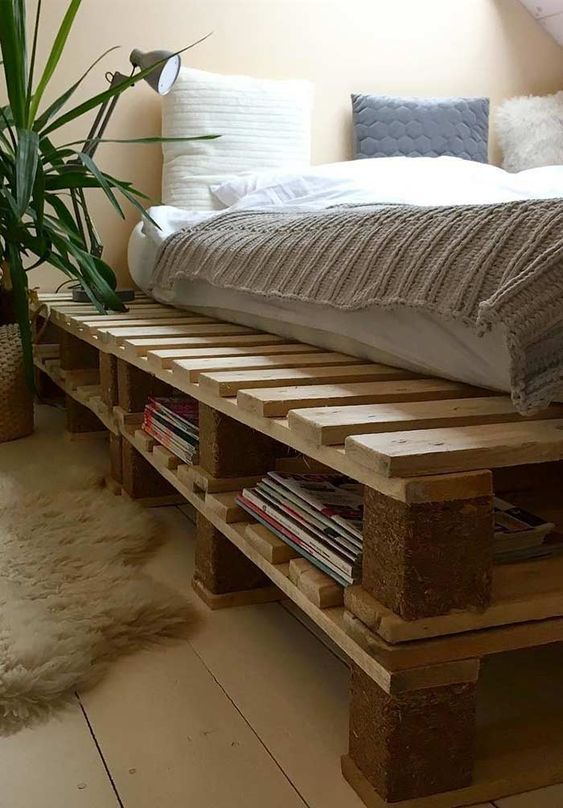
Building a pallet bed frame is one of the most rewarding DIY projects for anyone looking to furnish their bedroom on a budget. By repurposing wooden pallets, you transform discarded industrial materials into a sturdy, rustic centerpiece that adds character to your space. This guide provides a clear, step-by-step process to construct a safe and beautiful bed frame from scratch, ensuring you avoid common pitfalls and achieve professional-looking results.
The primary appeal of a pallet bed frame lies in its cost-effectiveness and sustainability. Instead of spending hundreds of dollars on new furniture, you can source pallets for little to no cost and invest primarily in screws, stain, and a bit of your time. Furthermore, upcycling pallets reduces waste, giving new life to materials that often end up in landfills. This project is perfect for eco-conscious homeowners who appreciate the warmth and history of reclaimed wood.
Gathering Tools and Materials
Before you begin, it is crucial to assemble the right tools and verify the quality of your pallets to ensure a safe finished product. You will need more than just a basic toolbox to handle the heavy lumber and ensure the frame is secure. Proper preparation at this stage saves time and prevents frustration down the line, making the construction process smooth and efficient.


Essential Equipment
- Crowbar or pry bar (for dismantling pallets)
- Hammer (for stubborn nails)
- Power drill with screwdriver bits
- Circular saw or jigsaw (for cutting to size)
- Measuring tape and pencil
- Safety goggles and work gloves
Material Checklist
| Pressure-treated wood boards | For legs and support rails |
| Wood screws | 3" and 2" sizes for assembly |
| Wood stain or paint | For finishing and protection |
| Sandpaper | 80-grit and 120-grit for smoothing |
Selecting and Preparing the Pallets
Not all pallets are created equal, and choosing the right ones is the most critical step for safety. You must look for pallets marked with "HT" (Heat Treated), which indicates they were treated without harmful chemicals. Avoid pallets labeled "MB," which means they were fumigated with methyl bromide, a toxic substance not suitable for indoor furniture. Inspect the wood for rot, heavy stains, or protring nails that could damage tools or injure you during the build.
Once you have selected suitable pallets, you need to dismantle them carefully. Instead of breaking the boards apart with a hammer, use a crowbar to gently pry the planks apart at the joints. This method preserves the integrity of the wood, minimizing cracks and splits. Remove every nail using the hammer or a nail puller, as leftover metal can ruin saw blades and pose a hazard once the bed is assembled.


Designing the Frame Structure
With your materials prepped, it is time to visualize the frame. A standard pallet bed frame consists of two main structures: the side panels and the headboard. You will typically use one pallet for the headboard and half of a second pallet for each side. If the pallets are not wide enough to fit your mattress, you will need to attach additional boards to extend the width, ensuring the sleeping surface is level and secure.
For structural integrity, you must incorporate support rails. Cut additional pressure-treated 2x4s to run horizontally between the side panels. These rails connect the legs and prevent the frame from wiggling or sagging over time. By anchoring the pallets to these rails, you create a rigid box that supports the weight of the mattress and occupants without unnecessary flexing.
Assembly and Construction
Begin by constructing the side panels. Stand the pallet vertically and attach two vertical legs to the corners using heavy-duty screws. These legs determine the height of the bed and should be level. Next, connect the two side panels by screwing the horizontal support rails into the legs, forming a stable rectangle. Place the slats or the second pallet section perpendicular to the rails to create the sleeping surface, spacing the boards close enough to prevent mattress sag.


Attach the headboard pallet to the frame, ensuring it is aligned flush with the top of the side panels. Double-check that the entire structure is square by measuring diagonally across the corners; the measurements should be equal. If the frame wobbles, add corner brackets or extra screws to tighten the joints. This stage requires patience, but a well-assembled frame will remain solid for years.
Finishing and Aesthetic Touches
The raw look of reclaimed wood is appealing, but finishing protects the wood from stains and moisture. Sand the entire frame thoroughly, moving from coarse to fine grit, until it is smooth to the touch. Wipe away the dust with a damp cloth before applying a stain or paint. A dark walnut stain highlights the grain of the wood, while a white pickling stain gives the frame a shabby-chic vibe that complements most bedroom decors.
Finally, install the mattress and test the bed for comfort and stability. If the headboard bangs against the wall, attach felt pads to the back of the frame. You can also customize the look by adding side lights, under-bed storage bins, or fabric panels to the back of the headboard. With these final touches, your pallet bed frame transitions from a DIY project to a cherished piece of furniture that defines your room.




Related Articles
How to Build a Pallet Bed: Easy Step-by-Step Guide
Creating a pallet bed is one of the most rewarding DIY projects for anyone looking to transform waste materials into functional, stylish furniture. This guide...
Is It Safe to Use Pallets for Bed Frame? Wood Pallet Bed Frame Safety Guide
Finding a cost-effective and stylish solution for your bedroom furniture can be a challenge, but using pallets for a bed frame is a trend that has persisted in...

How to Paint a Wooden Mirror Frame White: Easy DIY Guide
Transform Your Space: A Comprehensive Guide to Painting a Wooden Mirror Frame White Are you looking to breathe new life into an old wooden mirror or perhaps...

How to Remove an Old Door Frame: Easy Step-by-Step Guide
Removing an Old Door Frame: A Step-by-Step Guide Replacing an old door frame can significantly improve the look and functionality of your doorway. Whether...

How to Build a Gilberton Bluebird House: Easy Step-by-Step Guide
Building a Gilbert's Bluebird House: A Comprehensive Guide Attracting Gilbert's bluebirds to your backyard is a rewarding experience. These vibrant birds are...

Build a Homemade Press: Easy DIY Guide
Building a press at home is an incredibly rewarding project for makers, whether your goal is screen printing t-shirts, creating intricate paper art, or...