How Long Does Painted Tile Last? Durability Guide & Tips
When it comes to home improvement projects, one of the most frequently asked questions is: "How long does painted tile last?" The durability of painted tile can vary greatly depending on several factors, including the type of tile, the quality of the paint, and the level of maintenance. In this guide, we'll delve into the lifespan of painted tile, providing you with a comprehensive understanding to help you make informed decisions for your home.
Understanding Tile Types and Their Lifespan
Before we discuss the longevity of painted tile, it's crucial to understand the different types of tiles and their inherent durability.
- Ceramic Tiles: These are made from clay and are fired at high temperatures. They are durable, resistant to moisture, and have a long lifespan, typically lasting 10-20 years or more.
- Porcelain Tiles: Similar to ceramic tiles, porcelain tiles are also made from clay but are fired at higher temperatures, making them denser and more durable. They can last for 25 years or more with proper care.
- Natural Stone Tiles: Including marble, granite, and travertine, these tiles are highly durable and can last for centuries with proper maintenance. However, they can be more porous than ceramic or porcelain tiles, requiring regular sealing.
The Role of Paint in Tile Durability
Painting tiles can enhance their appearance, but it's important to understand that paint can affect their lifespan. While paint can protect tiles from moisture and stains, it can also make them more susceptible to damage if not applied correctly.


Quality of Paint Matters
The lifespan of painted tile largely depends on the quality of the paint used. High-quality, tile-specific paints are designed to withstand moisture, heat, and wear, extending the lifespan of the tile. On the other hand, low-quality paints can chip, peel, and fade over time, reducing the lifespan of the tile.
Proper Preparation and Application
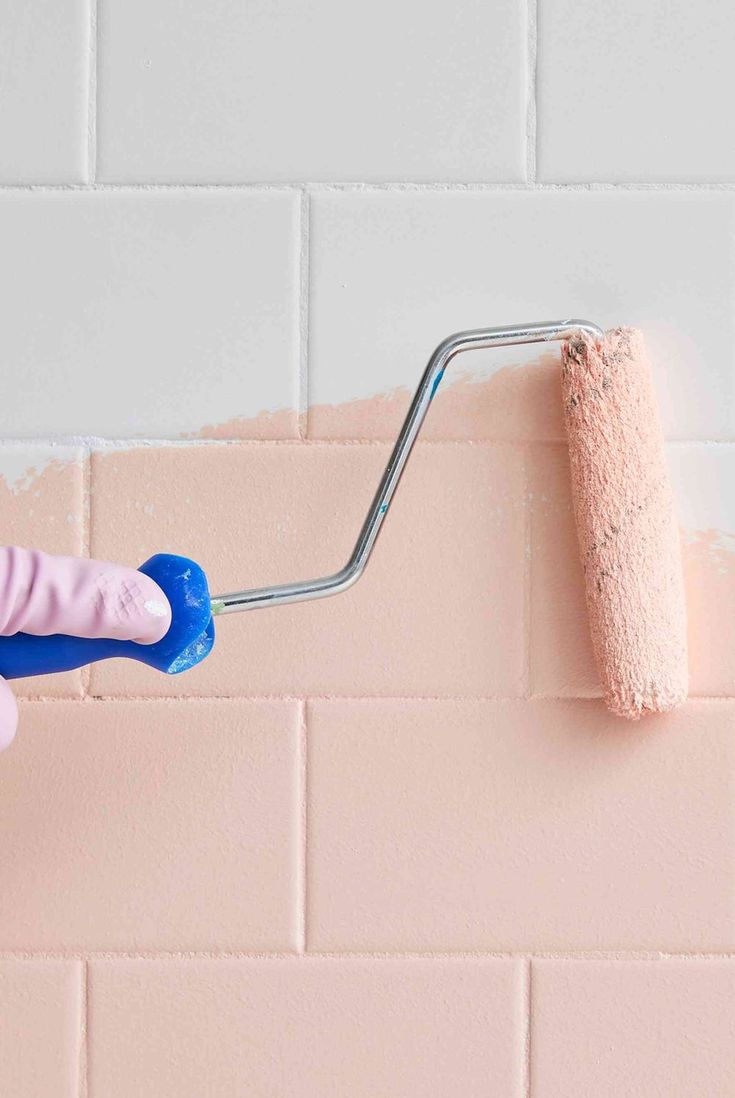
Proper preparation of the tile surface and correct application of the paint are crucial for the longevity of painted tile. This includes cleaning the tile surface, allowing it to dry completely, and applying a primer before painting. Skipping these steps can lead to paint peeling and chipping, reducing the lifespan of the tile.


Factors Affecting the Lifespan of Painted Tile
Several factors can influence the lifespan of painted tile, including:
- Traffic Area: High-traffic areas, such as kitchen backsplashes or bathroom walls, are more prone to wear and tear, reducing the lifespan of painted tiles.
- Moisture and Heat: Areas exposed to high moisture and heat, like shower walls or kitchen countertops, can cause paint to peel and chip, reducing the lifespan of the tile.
- Maintenance: Regular cleaning and maintenance can extend the lifespan of painted tile. This includes periodic touch-ups, cleaning with mild detergents, and avoiding harsh chemicals.
Table: Estimated Lifespan of Painted Tiles
| Tile Type | Average Lifespan (Years) | Maximum Lifespan (Years) |
|---|---|---|
| Ceramic | 10-15 | 20+ |
| Porcelain | 15-20 | 25+ |
| Natural Stone | 20-30 | 100+ |
It's essential to note that these are rough estimates and the actual lifespan of painted tile can vary greatly depending on the factors discussed above.
Extending the Lifespan of Painted Tile
To maximize the lifespan of your painted tiles, consider the following tips:


- Choose high-quality, tile-specific paint.
- Prepare the tile surface properly before painting.
- Apply a primer before painting.
- Seal the painted tile, especially in high-moisture areas.
- Regularly clean and maintain the painted tile.
- Address any chips or cracks promptly to prevent further damage.
In conclusion, the lifespan of painted tile can vary greatly depending on the type of tile, the quality of the paint, and the level of maintenance. By understanding these factors and taking proper care of your painted tiles, you can extend their lifespan and enjoy their beauty for years to come.




Related Articles

How Long Does a Painted Driveway Last? Durability Tips & Expected Lifespan
Driveway Longevity: How Long Does a Painted Driveway Last? When it comes to enhancing your home's curb appeal, a well-maintained driveway plays a significant...

How Long Will a Wrist Corsage Last? Durability Tips & Care Guide
Understanding the Lifespan of a Wrist Corsage The lifespan of a wrist corsage, much like other fresh flowers, is influenced by several factors. It's a common...

How Long Do Chrome Nails Last? Reddit Answers & Durability Tips
When searching online for nail care advice, the question "how long do chrome nails last reddit" frequently appears, reflecting a widespread curiosity about the...

How Long Do Preformed Ponds Last? Lifespan & Durability Guide
If you're considering a preformed pond for your backyard, you might be wondering about its lifespan. After all, you want a water feature that's not only...

How Long Does Popcorn Seasoning Last? Storage Tips & Shelf Life
Understanding Popcorn Seasoning Shelf Life The shelf life of popcorn seasoning is a common query among snack enthusiasts. Whether you're a movie night...

Chrome Powder on Nails: How Long Does It Last? & Tips for Longevity
Chrome powder has revolutionized the nail industry with its distinctive metallic sheen and long-lasting finish. Understanding how long chrome powder lasts on...