How Far Should a Ceiling Fan Hang From the Floor? Optimal Height Guide
Optimizing Ceiling Fan Height: The Perfect Distance from the Floor
Installing a ceiling fan is a great way to enhance your home's comfort and aesthetics. However, determining the ideal height for your ceiling fan can be a challenge. This guide will help you understand the optimal distance from the floor to ensure safety, functionality, and visual appeal.
Understanding Ceiling Fan Height: Key Factors
Several factors influence the ideal height for your ceiling fan. These include room height, fan size, and personal preference. Let's delve into each of these aspects to help you make an informed decision.
Room Height: The Primary Consideration
The room's height is the most critical factor when determining the height of your ceiling fan. The general rule of thumb is to hang the fan at least 7 feet (84 inches) above the floor. This ensures that the fan blades are clear of any obstacles and allows for adequate air circulation.


However, if your room has an exceptionally high ceiling, you might need to adjust the height of your fan. For ceilings higher than 9 feet (108 inches), consider installing a downrod to lower the fan closer to the occupied space. This helps maximize air circulation and efficiency.
Fan Size: Matching Your Fan to Your Room
The size of your ceiling fan also plays a role in determining the optimal height. Generally, larger rooms require larger fans, and vice versa. Here's a simple guide to help you match your fan size to your room:


- Rooms up to 144 square feet: 36-inch fan
- Rooms 144 to 225 square feet: 42-inch fan
- Rooms 225 to 400 square feet: 50-inch fan
- Rooms over 400 square feet: 54-inch fan or larger
Remember, the fan's size should also be proportional to the room's height. For rooms with ceilings higher than 8 feet, consider fans with longer downrods to ensure the fan hangs at the appropriate height.
Ceiling Fan Height for Specific Room Types
Certain rooms have unique requirements when it comes to ceiling fan height. Let's explore these specific cases:
Kitchens and Dining Rooms
In kitchens and dining rooms, it's essential to hang the fan at least 8 inches below an angled ceiling or 6 inches below a flat ceiling to ensure adequate clearance. This allows for safe use of the space directly beneath the fan.


Bedrooms and Living Rooms
For bedrooms and living rooms, the standard 7-foot height from the floor is usually sufficient. However, if you have high ceilings, you can adjust the height using a downrod to create a more comfortable environment.
Bathrooms and Laundry Rooms
In bathrooms and laundry rooms, it's crucial to consider the fan's proximity to the shower, bathtub, or washer and dryer. The fan should be at least 8 feet away from these fixtures to ensure safety and prevent water damage.
Safety Considerations: Blade Clearance and Downrod Length
Ensuring adequate blade clearance is essential for safety and functionality. The fan blades should be at least 8 inches away from the walls and any obstacles, such as light fixtures or smoke detectors.


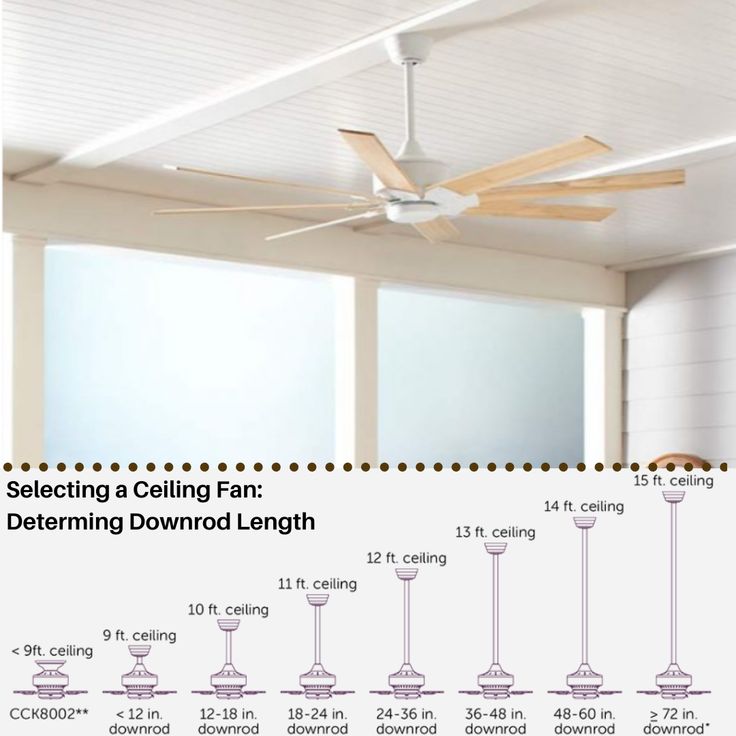


When using a downrod to lower your fan, ensure that the downrod is securely attached to the ceiling box and that the fan is properly balanced. A wobbly fan can cause excessive vibration and may even fall, posing a safety hazard.
Final Thoughts: The Perfect Ceiling Fan Height for Your Space
Determining the ideal height for your ceiling fan involves considering the room's height, fan size, and specific safety requirements. By following the guidelines outlined in this article, you can create a comfortable, safe, and visually appealing space with the perfect ceiling fan height.
If you're unsure about the optimal height for your ceiling fan, don't hesitate to consult a professional. A well-installed ceiling fan can enhance your home's comfort and energy efficiency, making it a worthwhile investment.
Related Articles

How Far Should a Ceiling Fan Be From the Ground? Ideal Height Guide
Ceiling Fan Height: The Perfect Distance from the Ground When installing a ceiling fan, determining the correct height from the ground is crucial for both...

Optimal Electric Chimney Height for Gas Stove: Essential Installation Guide
Optimizing Electric Chimney Height for Gas Stoves: A Comprehensive Guide When it comes to installing an electric chimney for your gas stove, one of the most...

How to Hang Fake Wisteria from Ceiling: Step-by-Step Guide
Transform Your Space with Fake Wisteria: A Comprehensive Guide to Hanging from the Ceiling Adding a touch of nature to your indoor space can significantly...

Ikea Base Cabinet Height from Floor: The Perfect Measurement Guide
Getting the height of your Ikea base cabinet right from the floor is more than a technical detail; it is the foundation of a stable, functional, and...
Ideal Ceiling Fan Height: How Far From The Ceiling?
When it comes to installing a ceiling fan, one of the most common questions homeowners ask is: "How far away from the ceiling should a ceiling fan be?" The...

How Far Should Curtain Rods Extend From Window? Ideal Length Guide
When it comes to dressing up your windows, one of the most crucial decisions you'll make is how far your curtain rods should extend from the window. This...