Fun Holiday Stem Activities For Elementary Students
Holiday stem activities for elementary students transform the festive season into a dynamic classroom laboratory. Instead of merely decorating, children engage with core scientific principles through hands-on exploration. This approach merges the excitement of the holidays with structured problem-solving, fostering a love for inquiry. The seasonal context provides a relatable backdrop for complex ideas, making abstract concepts tangible and memorable for young learners.
Bridging Festive Joy and Scientific Inquiry
The integration of holiday themes with STEM (Science, Technology, Engineering, and Mathematics) creates a powerful educational synergy. Elementary learners are naturally curious about the world, especially when it involves lights, decorations, and seasonal treats. By framing challenges within a holiday context, educators and parents can bypass initial reluctance to "school" activities. This method encourages collaborative learning, where students work together to design solutions, test hypotheses, and iterate based on results, mirroring real-world engineering practices.
The Engineering of Holiday Decor
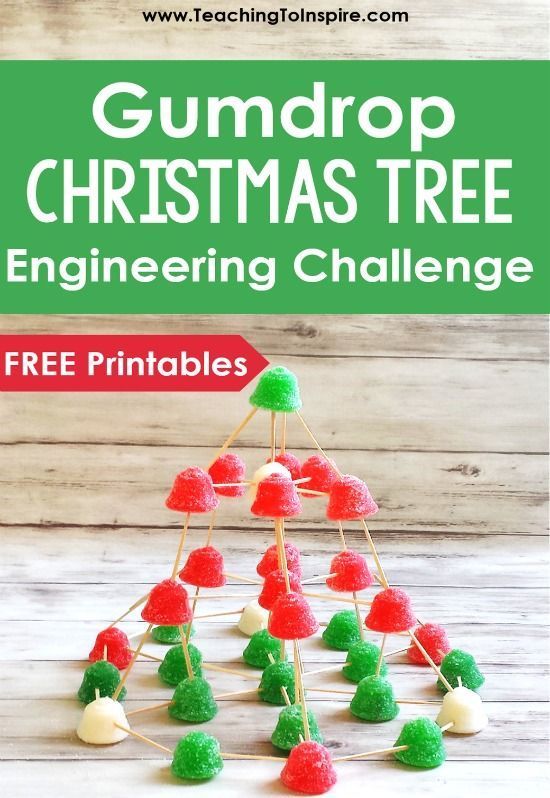
One of the most accessible entry points for holiday stem activities for elementary learners is structural engineering. Students can design and build festive structures using simple materials like index cards, tape, and lightweight cardboard. The objective is often to create a stable platform for a small ornament or to construct a standing Christmas tree. This activity teaches principles of balance, weight distribution, and the inherent strength of geometric shapes, such as triangles.


- Challenge: Construct a freestanding gingerbread house that can support a small weight.
- Learning Outcome: Understanding load-bearing structures and foundational engineering ethics.
- Materials: Marshmallows or sugar cubes, toothpicks or pretzels, icing or glue.
Chemical Reactions in Holiday Chemistry
Holiday chemistry experiments provide visually stunning and safe demonstrations of chemical reactions. Combining household ingredients to create "snow" or erupting volcanoes offers a tactile understanding of acids, bases, and gas production. These activities are particularly effective because they produce immediate, observable results that align with the sensory nature of the holidays. The controlled chaos of a bubbling potion captures attention and solidifies the scientific method steps of prediction and observation.
Seasonal Technology and Coding
Technology and coding can be woven into the holiday fabric without requiring extensive digital infrastructure. Unplugged coding activities use physical movements to teach algorithms, essential for computer science logic. Students can guide a "robot" (a classmate or teacher) through a maze drawn on the floor to retrieve a "gift," or sequence steps to decorate a virtual tree. These exercises break down complex coding concepts into kinesthetic adventures, proving that technology education begins with logic, not just screens.


Data and Math in the Season
Mathematics becomes relevant during the holidays when applied to real-world scenarios. Elementary students can conduct surveys on favorite holiday treats, graph the results, and analyze the data. Alternatively, they can measure the growth of a cut evergreen tree in water, calculating the rate of change over time. These activities move math beyond worksheet drills, positioning it as a tool for understanding and navigating the quantitative aspects of daily life and holiday planning.
Curriculum Integration and Accessibility
Effective holiday stem activities for elementary students are designed to align with educational standards while remaining flexible for various learning environments. Whether in a traditional classroom, a homeschool setting, or an after-party club, these activities require minimal advanced preparation and expensive equipment. The focus remains on the process of inquiry rather than a perfect product, ensuring that all students feel successful. This inclusivity ensures that every child can participate in the joy of discovery, regardless of their background or prior science exposure.




Related Articles

101 Fun Holiday Activities for Elementary Students: Easy Games & Crafts
For elementary educators and parents, the holiday season represents a unique opportunity to transform the classroom or home into a vibrant space of joyous...
Fun Winter Holiday Activities for Elementary Students: Snowy Crafts & Learning Games
As the temperature drops and daylight hours shorten, elementary students often face a sudden shift in routine that can lead to restlessness and boredom. Winter...

October Stem Activities For Elementary Students Fun Educational Projects
October arrives like a crisp whisper, transforming elementary hallways into laboratories of seasonal discovery. For educators, this month offers a unique...

Fun Recycling Projects for Elementary Students: Easy Eco-Friendly Activities
Inspiring Recycling Projects for Elementary Students Encouraging young minds to care for the environment starts with hands-on learning experiences. Recycling...

Fun Holiday Activities Examples for Students: Cool Ideas to Learn and Play
For students, the holiday season represents a valuable pause from academic routines, offering a chance to reset, explore new interests, and build meaningful...

October Art Activities for Elementary Students: 10 Fun Fall Projects
October art activities for elementary students provide a vibrant bridge between the changing seasons and creative expression. As the air turns crisp and the...