Herringbone Floor Tile Ideas: 15 Stunning Designs for Your Home
Herringbone Floor Tile Ideas: Elevate Your Space with Timeless Elegance
Herringbone floor tile patterns have been a staple in interior design for centuries, adding a touch of sophistication and character to any space. This classic pattern, inspired by the bones of a herring fish, creates a striking visual impact and can transform your floors into a stunning focal point. Let's explore some herringbone floor tile ideas that will help you achieve a luxurious and inviting atmosphere.
Understanding Herringbone Tiles: A Brief Overview
Herringbone tiles are rectangular in shape and laid in a zigzag pattern, resembling the bones of a herring fish. This design creates a dynamic and engaging visual effect, drawing the eye along the length of the room and creating a sense of depth. The herringbone pattern can be achieved using various tile materials, such as ceramic, porcelain, natural stone, or even hardwood.
Choosing the Right Herringbone Floor Tiles for Your Space
Selecting the perfect herringbone floor tiles involves considering factors like color, material, size, and finish. Here are some aspects to keep in mind when making your choice:


- Color: Neutral shades like beige, gray, and white are versatile and timeless, while bold colors can make a statement and add personality to your space.
- Material: Ceramic and porcelain tiles are durable and easy to maintain, while natural stone options like marble, travertine, or slate offer a luxurious, organic feel.
- Size: Smaller tiles create a more intricate pattern, while larger tiles can make a space feel more expansive.
- Finish: Glossy tiles reflect light and create a sense of brightness, while matte or textured finishes offer a more subtle, earthy look.
Herringbone Tile Patterns: Exploring Your Options
Once you've chosen your tiles, it's time to consider the pattern. The classic herringbone pattern can be laid in several ways, each creating a unique look:
- 90-degree herringbone: This traditional pattern features tiles laid at a 90-degree angle to the walls, creating a symmetrical, geometric design.
- 45-degree herringbone: In this pattern, tiles are laid at a 45-degree angle to the walls, creating a diagonal effect that adds movement and visual interest.
- Basketweave herringbone: This variation combines the herringbone pattern with a basketweave design, creating a complex, intricate look.
Herringbone Floor Tile Ideas for Different Rooms
Herringbone tiles can be used in various rooms throughout your home, each offering a unique opportunity to showcase this classic pattern. Here are some ideas for incorporating herringbone tiles into your space:


Living Room
Create a striking focal point in your living room by installing herringbone tiles in the fireplace surround or as an area rug-like accent in the center of the room. A 45-degree herringbone pattern can help to visually expand a small living room, while a 90-degree pattern can create a sense of order and symmetry in larger spaces.
Kitchen
Herringbone tiles can add a touch of elegance to your kitchen, whether used as a backsplash, floor, or both. Consider using a contrasting grout color to highlight the pattern and create a bold, graphic look. For a more subtle effect, opt for a neutral tile color and a matching grout.
Bathroom
The herringbone pattern can create a luxurious, spa-like atmosphere in your bathroom. Use herringbone tiles on the floor, walls, or both for a cohesive, high-end look. For a unique twist, try using different tile sizes or colors to create a custom, one-of-a-kind design.


Bedroom
Herringbone tiles can add a romantic, vintage-inspired touch to your bedroom. Consider using them as a focal point on the floor, or create a striking accent wall behind the bed. For a more subtle effect, opt for a soft, neutral tile color and a matching grout.
Hallways and Entryways
Herringbone tiles are an excellent choice for hallways and entryways, as they can help to create a sense of movement and guide visitors through the space. A 45-degree herringbone pattern can help to visually widen a narrow hallway, while a 90-degree pattern can create a sense of order and symmetry in larger entryways.
Caring for Your Herringbone Floor Tiles
To ensure your herringbone floor tiles look their best for years to come, it's essential to care for them properly. Sweep or vacuum regularly to remove dirt and debris, and clean with a mild, pH-neutral tile cleaner. Avoid using abrasive materials or harsh chemicals, as they can damage the tile surface or grout. Seal your tiles and grout to protect against stains and moisture, and reapply sealant as needed to maintain protection.


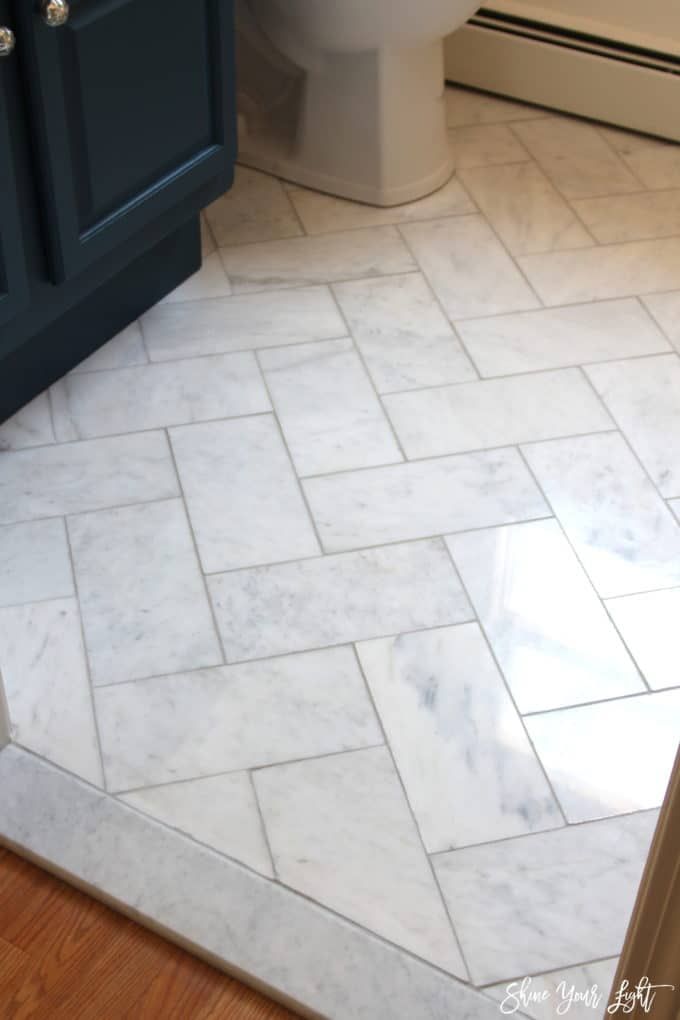


Incorporating herringbone floor tile ideas into your home is an excellent way to add timeless elegance and visual interest to your space. By choosing the right tiles, pattern, and installation location, you can create a stunning focal point that will captivate and inspire for years to come. So, go ahead – embrace the herringbone pattern, and let your floors tell a story of sophistication and style.
Related Articles

Herringbone Kitchen Floor Tile Ideas: 15+ Stunning Designs for 2024
Herringbone kitchen floor tile ideas have gained significant traction in recent years, thanks to their unique aesthetic and durability. This classic pattern...

Herringbone Flooring Ideas: 15 Stunning Designs for Your Home
Herringbone flooring, with its distinctive V-shaped pattern, adds a touch of elegance and sophistication to any space. This classic design has been a favorite...

Wood Interior Railing Ideas: 15 Stunning Designs for Your Home
Elevate Your Space: Exploring Wood Interior Railing Ideas In the realm of interior design, the humble railing often plays a supporting role. However, with the...

Small Entryway Tile Floor Ideas: 21 Stunning Designs For Tiny Spaces
Small entryways often present a design challenge, yet they offer the perfect opportunity to make a powerful first impression. The floor is the foundation of...

Stunning Floor to Ceiling Fireplace Surround Ideas for Your Home
Elevate Your Space: Floor-to-Ceiling Fireplace Surround Ideas Transform your living room into a cozy, inviting haven with floor-to-ceiling fireplace surrounds...

Pinterest Bathroom Floor Tile Ideas: 50+ Stunning Designs for 2024
Transform Your Bathroom: Inspiring Pinterest Floor Tile Ideas Are you on the hunt for bathroom floor tile ideas that are both stylish and functional? Look no...