Best Succulents for Indoors: Easy Care Greenery
Bringing the outdoors in has never been easier, and few plant categories accomplish this with the same grace as succulents. For the indoor gardener, these drought-tolerant beauties offer a forgiving nature and a sculptural aesthetic that instantly elevates any space. Unlike finropical foliage, good succulents for indoors thrive on neglect, requiring minimal watering and tolerating inconsistent light conditions.
Whether you are a seasoned collector or just starting your green journey, selecting the right varieties is key to long-term success. The best indoor succulents combine resilience with visual interest, providing year-round appeal without demanding constant attention. This guide explores the most reliable and stylish options to populate your windowsill or living area.
Why Choose Succulents for Indoor Spaces
The primary appeal of good succulents for indoors lies in their low-maintenance profile. Their water-storing capabilities mean they can survive missed watering schedules without consequence, making them ideal for frequent travelers or those with busy schedules. Furthermore, they generally grow slowly, so you won't find yourself repotting every few weeks.


Beyond practicality, these plants introduce a modern texture to interior design. Their geometric forms range from tight rosettes to trailing vines, allowing them to fit seamlessly into minimalist decor or eclectic Boho settings. They provide a quiet, enduring beauty that doesn't rely on constant bloom to impress.
Top Tier Favorites for Beginners
Some varieties stand out for their almost impossible-to-kill nature. These good succulents for indoors are virtually bulletproof and perfect for building confidence:


- Snake Plant (Sansevieria): Tolerates low light and irregular watering, while adding sharp, architectural lines.
- ZZ Plant (Zamioculcas):: Features glossy, dark green leaves that thrive in neglect and low light.
- Jade Plant (Crassula ovata): A classic that resembles a tiny tree, symbolizing good luck and easy care.
Visual Stars for Display
While resilience is important, many enthusiasts seek out good succulents for indoors that offer a high aesthetic payoff. These varieties demand a little more light but reward the caretaker with stunning visual displays.
| Succulent | Light Requirement | Distinctive Feature |
|---|---|---|
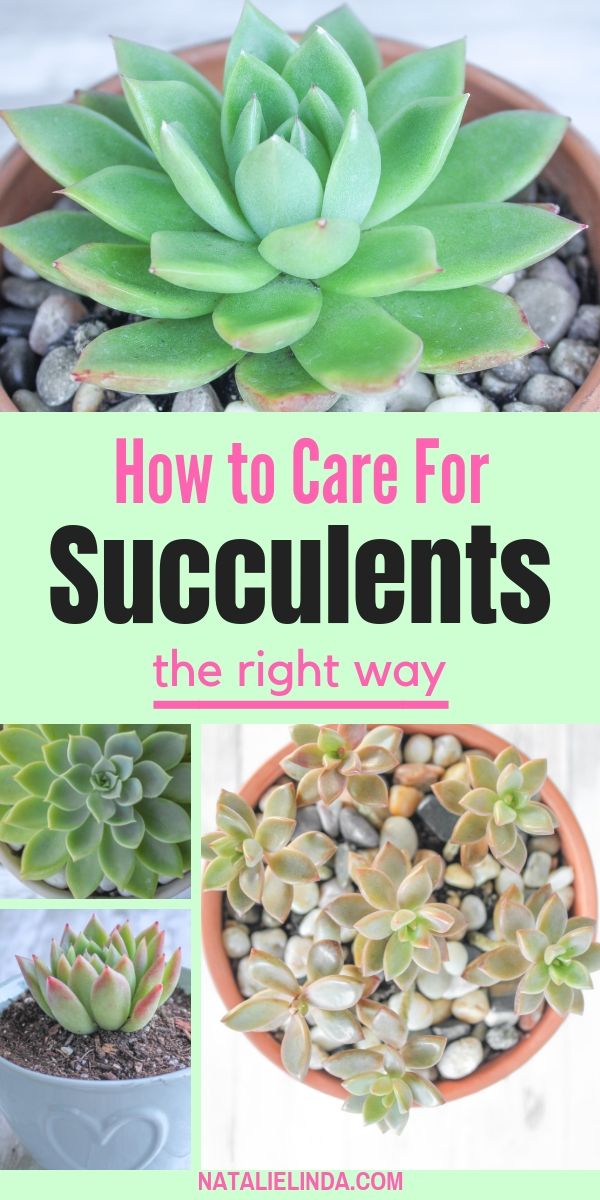
| Echeveria | Bright, indirect | Rosette-shaped leaves in pastel greens and pinks |
| Aloe Vera | Moderate to bright | Healing gel inside slender, spiky leaves |
| Burro's Tail | Filtered light | Long, cascading stems covered in plump leaves |
Lighting and Placement Tips
Even the most hardy good succulents for indoors will suffer without adequate light. South-facing windows are ideal, providing the intense sun these desert natives crave. If natural light is insufficient, you may notice stretching, where the plant grows tall and sparse in search of light.
To prevent this, rotate your pots regularly to ensure even growth. Grow lights are an excellent supplement during winter months, providing the 12 to 14 hours of light necessary to keep colors vibrant and structures tight.


Watering and Soil Essentials
Overwatering is the leading cause of succulent death, regardless of the specific variety. The golden rule is to soak the soil thoroughly and then allow it to dry out completely before watering again. Stick your finger into the soil or use a moisture meter to be certain.
Equally important is the medium itself. Good succulents for indoors require a gritty, well-draining potting mix. Standard houseplant soil holds too much moisture and will cause roots to rot. Amend your soil with pumice or perlite to mimic the sandy conditions these plants originate from.
Advanced Care and Aesthetics
Once you master the basics, you can explore the world of propagation and arrangement. Many good succulents for indoors produce "pups" or offsets around the mother plant, which can be carefully separated to create new displays.


Grouping different textures together—such as the smooth leaves of a Haworthia with the spiky rosettes of an Aloe—creates a visually stimulating centerpiece. Ensure the pot has drainage holes, and enjoy the creative process of designing your own miniature desert landscape.
Related Articles
Best Low-Light Succulents for Indoors: Hardy, Beautiful & Easy Care
Bringing the serenity of nature into your home does not require a sun-drenched conservatory or years of gardening experience. For those navigating the...
Best Indoor Succulent Plants on Amazon: Easy Care, Stunning Greenery
The quest for low-maintenance greenery has led many indoor gardeners to the reliable charm of succulents. Finding the perfect indoor succulent plants Amazon...
Indoor Succulents for Beginners: The Easy Care Guide to Thriving Greenery
Bringing the serenity of nature into your home starts with the right choice of plant, and for many newcomers, indoor succulents for beginners represent the...

Best Summer Casseroles BBC Good Food: 10 Easy Recipes
Savor the Season: Best Summer Casseroles from BBC Good Food As the sun begins to shine and the temperatures rise, it's time to lighten up your meals and...

Low Maintenance Outdoor Succulents Full Sun: Easy, Sun-Loving Greenery
Low Maintenance Outdoor Succulents for Full Sun Gardens If you're a gardener who loves the idea of a lush, vibrant outdoor space but doesn't have the time or...
30 Best Low Light Succulents for Thriving Indoor Gardens
Bringing the outdoors in has never been more rewarding, and few plant categories offer the same blend of modern beauty and resilience as succulents. For those...