Fun Themes for Elementary Schools: Engaging Ideas for Every Grade
Selecting a theme for an elementary school event can transform an ordinary day into an extraordinary learning adventure. The right concept energizes students, simplifies planning, and creates a cohesive atmosphere where education feels like play. From literacy celebrations that spark a love of reading to science explorations that fuel curiosity, the possibilities are as vast as a child's imagination. This guide provides educators and parents with exciting, practical, and classroom-tested ideas to design unforgettable school experiences.
Why Theme-Based Learning Matters
Themed instruction connects disparate subjects, turning a math lesson, an art project, and a story time into a unified narrative. This approach helps young learners build stronger neural pathways by relating new information to a familiar context. When students dress up as historical figures or act out scenes from a book, they engage in experiential learning that boosts retention and motivation. Ultimately, a fun theme fosters a sense of belonging and shared purpose across the entire school community.
Literary Adventures and Book Character Days
Few themes ignite a child’s imagination like diving into the world of books. A school-wide focus on classic children’s literature or a specific author provides endless opportunities for cross-curricular activities.


Dress as Your Favorite Character
Students arrive dressed as protagonists from their favorite picture books or chapter novels, turning hallways into living storybooks. Teachers can organize “character parades” or create reading buddies where older students share tales with younger peers.
Genre Exploration Stations
Set up different areas of the gym or library dedicated to specific genres like mystery, fantasy, or science fiction. Children rotate through stations, participating in themed activities such as solving a mock mystery or designing a futuristic city.


| Theme | Activity Ideas | Grade Level |
|---|---|---|
| Superhero Stories | Create original heroes, write comic strips | K-2 |
| Detective Day | Solve puzzles, decode messages | 3-5 |
Journey Through Time: Historical Eras
History becomes tangible when students can “travel” to different periods. Focusing on a specific decade, ancient civilization, or cultural tradition makes social studies interactive and memorable. Hands-on projects allow children to touch, build, and create their understanding of the past.
Colonial America Fair
Students learn about early American life by participating in trades like candle dipping or quill writing. They can prepare simple colonial recipes and present their findings in a living history fair.
Ancient Egypt Day
Children build miniature pyramids, decipher hieroglyphics, and design cartouches. This theme pairs perfectly with art lessons on symmetry and symbolism, offering a rich, sensory experience.


STEAM and Future Frontiers
Emphasizing science, technology, engineering, arts, and math prepares students for a rapidly evolving world. A futuristic or innovation theme encourages problem-solving and critical thinking, showing kids that learning is an active, dynamic process.
Space Odyssey
Transform the classroom into a rocket ship and the gym into the surface of Mars. Students calculate distances between planets, draw Martian landscapes, and learn about the physics of flight.
Inventor’s Workshop
Students identify problems in their daily lives and prototype solutions using recycled materials. This theme champions the mindset that mistakes are essential steps toward discovery and innovation.


Nature and Environmental Stewardship
Connecting children to the natural world fosters empathy and responsibility. An environmental theme can range from a simple garden harvest to a full-scale conservation campaign. These lessons teach the importance of caring for the planet in a hands-on, age-appropriate way.
Wildlife Safari
Students research local or exotic animals, then create dioramas or habitat reports. A “safari” walk through the schoolyard encourages observation skills and appreciation for biodiversity.
Green Thumb Gardening
Starting a small garden or container plants teaches life cycles, nutrition, and patience. Children can track growth in journals, integrating science with writing and measurement skills.
Global Celebrations and Cultural Awareness
Introducing students to the richness of global cultures broadens their perspective and teaches respect for diversity. A world cultures theme can be woven into music, food, art, and language lessons, creating a vibrant and inclusive school environment.
Passport to the World
Each classroom represents a different country. Students receive a “passport” and travel from room to room, participating in activities like learning folk dances, sampling snacks, or trying basic phrases in a new language.
Festival of Lights
Focusing on winter holidays around the world allows for a celebration of shared values like hope, family, and generosity. Students compare and contrast traditions, fostering understanding and unity.
Related Articles

Engaging Themes for Elementary Schools: Fun & Educational Ideas
Selecting the right themes for elementary schools is a foundational decision that shapes the intellectual and emotional landscape of a young student’s day...

Creative Classroom Decoration Ideas for Elementary School: Fun & Engaging Themes
Transform Your Elementary School Classroom with These Creative Decoration Ideas Creating an engaging and inspiring learning environment is crucial for young...

Elementary School Float Ideas: Creative & Easy Parade Themes
Planning the annual parade can feel overwhelming, but elementary school float ideas set the foundation for a memorable event that students will talk about for...

Engaging PowerPoint Project Ideas for Elementary Students
Transforming a standard classroom lesson into an interactive visual experience is easier than many educators realize. For elementary students, Powerpoint...

Engaging Workshop Ideas for Elementary Students: Fun & Educational Activities
Engaging young minds in creative and educational activities is a rewarding task, and workshops are an excellent way to achieve this. Here, we present a variety...
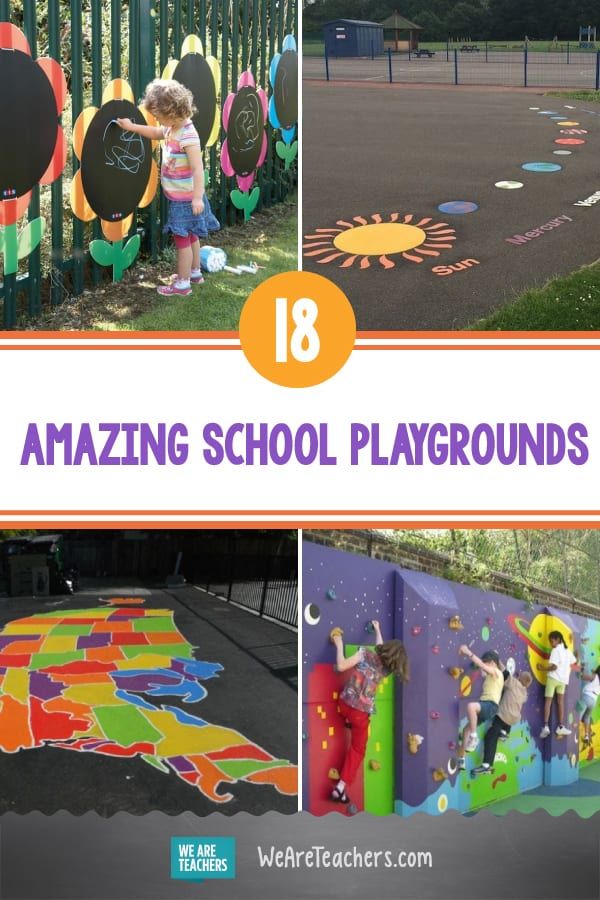
25+ Playground Ideas for Elementary Schools: Fun & Safe Designs
Creating a vibrant and engaging play environment for elementary school students is crucial for their physical, social, and emotional development. Here, we...