Easy Succulents to Care For Indoors: A Beginner's Guide
Bringing the serenity of nature indoors has rarely been easier, and for beginners and seasoned plant lovers alike, easy succulents to take care of indoors offer the perfect gateway to cultivating a lush, low-maintenance oasis. These architectural marvels store water in their fleshy leaves, granting them a remarkable tolerance for sporadic watering and making them ideal for anyone who might occasionally forget a watering schedule. Unlike many tropical houseplants that demand high humidity and constant attention, succulents thrive on a more relaxed regime, adapting beautifully to the dry air and steady temperatures found in most modern homes. Selecting the right varieties is the first step to ensuring success, as some species are practically indestructible while still offering a stunning array of colors, textures, and forms.
Why Choose Succulents for Indoor Spaces?
The appeal of easy succulents to take care of indoors extends far beyond their low maintenance requirements. Their sculptural shapes add a modern, minimalist aesthetic that complements a wide range of interior designs, from Scandinavian cool to mid-century warmth. They are naturally compact, making them suitable for small apartments, office desks, and windowsills where space is at a premium. Furthermore, their slow growth rate means they do not need to be repotted frequently, saving time and resources. For those new to plant care, they provide a forgiving introduction, teaching the fundamentals of light and water needs without the constant anxiety of imminent plant death.
Light: The Key to Vibrant Color
While often labeled as low-light tolerant, the reality is that most easy succulents to take care of indoors require bright, indirect light to maintain their compact shape and vivid colors. A south-facing window is ideal, providing the intense sunlight necessary for photosynthesis. If natural light is insufficient, the plants will often stretch upward, a process known as etiolation, becoming leggy and losing their attractive form. Supplementing with a grow light for 12 to 14 hours a day can work wonders, ensuring the plants remain short, sturdy, and colorful throughout the year.


Watering and Soil: Avoiding the Silent Killer
Overwatering is the cardinal sin when caring for succulents, leading to root rot, which is often fatal. The soak and dry method is the most effective strategy; allow the soil to dry out completely between waterings, then soak the soil thoroughly until water runs freely from the drainage holes. This mimics the arid conditions of their native habitats. Using the right medium is equally crucial. A high-quality cactus or succulent potting mix, amended with extra pumice or perlite, ensures excellent drainage and prevents water from pooling around the roots.
Top Varieties for Beginners
For those just starting their indoor gardening journey, certain varieties stand out for their resilience and forgiving nature. These easy succulents to take care of indoors are nearly impossible to kill and offer a fantastic introduction to the hobby. Their availability in nurseries and online retailers makes them easy to acquire, and their hardiness ensures a rewarding experience.


| Succulent | Distinctive Feature | Care Level |
|---|---|---|
| Haworthia | Striped, pointed leaves forming tidy rosettes | Very Easy |
| ZZ Plant | Waxy, oval leaves that thrive in low light | Extremely Easy |
| Jade Plant | Thick, glossy leaves resembling tiny jade coins | Easy |
| Bunny Ear Cactus | Pad-like stems without spines, charming and unique | Moderate |
Hawkbirds and Gasterias: The Quiet Charms
Beyond the well-known varieties, the world of easy succulents to take care of indoors holds some hidden gems. Haworthias are small, stemless plants that form tight rosettes with patterned leaves, resembling miniature aloe vera and perfect for adding texture to a windowsill. Gasterias, often called ox-tongue, feature thick, tongue-shaped leaves covered in bumpy textures. They are exceptionally slow growers and tolerate lower light better than most, making them excellent choices for north-facing rooms or offices.
Pearl Plants and Echeverias: Visual Interest
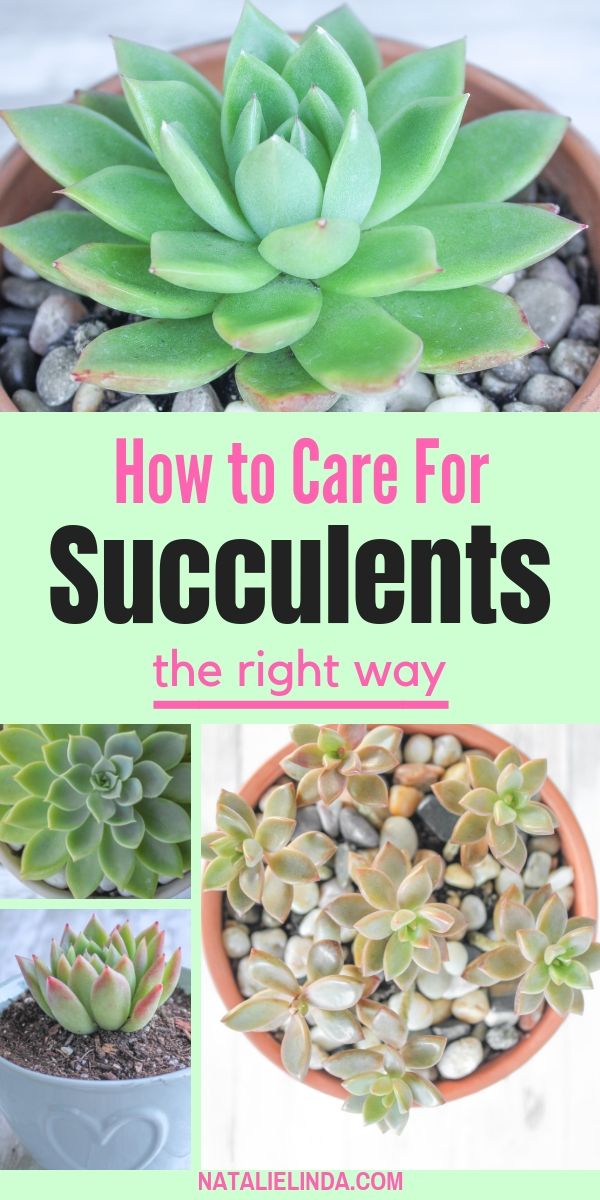
For a pop of color and unique texture, look no further than pearl plants and echeverias. Pearl plants (Lithops) are living stones that thrive on neglect, requiring water only when their old leaves are replaced by new ones. Echeverias form stunning symmetrical rosettes in a rainbow of hues, from powdery blues to vibrant purples. Their popularity ensures they are easy to find, and their striking appearance makes them a focal point on any shelf or ledge.
Creating a successful indoor succulent collection is about understanding their fundamental needs rather than complicating the process. With the right light, careful watering, and the correct soil, these resilient plants will provide years of quiet beauty and satisfaction. Choosing from these easy succulents to take care of indoors ensures that your journey into the world of houseplants is both enjoyable and sustainable.


Related Articles
Indoor Succulents for Beginners: The Easy Care Guide to Thriving Greenery
Bringing the serenity of nature into your home starts with the right choice of plant, and for many newcomers, indoor succulents for beginners represent the...
Best Low-Light Succulents for Indoors: Hardy, Beautiful & Easy Care
Bringing the serenity of nature into your home does not require a sun-drenched conservatory or years of gardening experience. For those navigating the...
The Ultimate Guide to Displaying Succulents Indoors: Stylish & Easy Tips
Bringing a touch of the desert into your home starts with learning how to display succulents indoors. These resilient plants have become staples in modern...

Can a Coleus Plant Live Indoors? ☀️ Easy Indoor Care Guide
Can a Coleus Plant Thrive Indoors? A Comprehensive Guide The Coleus (Plectranthus scutellarioides) is a vibrant, colorful plant known for its striking foliage...

The Ultimate Guide to Moss in a Jar: Easy Care Tips for a Lush Mini Garden
Cultivating Miniature Ecosystems: A Guide to Caring for Moss in a Jar Moss in a jar might seem like a simple concept, but it's a delightful way to bring a...
The Ultimate Guide to Caring for Small Indoor Succulents: Thrive Indoors
Caring for small indoor succulents is a rewarding experience that blends simplicity with aesthetic beauty. Unlike many high-maintenance houseplants, these tiny...